
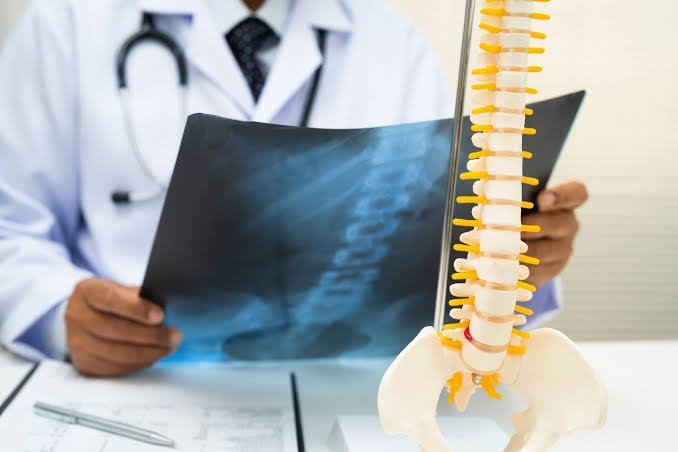
A serious accident can change a person’s life in a matter of seconds. Injuries involving the spine may affect mobility, independence, employment, and everyday activities. Some people experience immediate pain and physical limitations, while others develop symptoms gradually as the full extent of the injury becomes apparent. Beyond medical treatment, injured individuals may face expensive rehabilitation, lost income, and uncertainty about their future. Understanding the steps involved in protecting health and documenting an injury can help individuals make informed decisions during a difficult period.
Understanding the Impact of Spinal Injuries
The spine plays an essential role in supporting the body, protecting the spinal cord, and enabling movement. Damage to vertebrae, discs, ligaments, or surrounding nerves can result in different levels of impairment.
Common spinal injuries include:
- Herniated discs: Discs may become damaged or displaced, potentially putting pressure on nearby nerves.
- Fractured vertebrae: Trauma can cause spinal bones to crack or break, sometimes requiring extensive treatment.
- Spinal cord injuries: Damage to the spinal cord can affect sensation, movement, and other important bodily functions.
- Soft tissue injuries: Damage to muscles and ligaments can cause persistent discomfort and restricted movement.
- Nerve compression: Pressure on spinal nerves may contribute to weakness, numbness, tingling, or radiating pain.
The severity and long-term effects depend on the injury, its location, and the treatment received. Medical evaluation is important even when symptoms initially appear manageable.
Common Accidents That Can Cause Spinal Damage
Spinal injuries can result from several types of accidents, including situations involving negligence or unsafe conditions.
Motor vehicle collisions are a significant concern because sudden impacts can place considerable force on the neck and back. Rear-end collisions, high-speed crashes, and rollover accidents may cause injuries ranging from disc damage to serious spinal trauma.
Workplace accidents can also affect the spine. Heavy lifting, falls from elevated surfaces, falling objects, and equipment-related incidents may cause substantial injuries. Construction sites, warehouses, and industrial workplaces can present additional risks when appropriate safety measures are not followed.
Slip-and-fall accidents are another potential source of spinal damage. Wet floors, uneven walkways, broken stairs, and poorly maintained properties can create hazardous conditions.
Sports accidents and recreational activities may also result in spinal injuries, particularly when collisions or falls involve significant force.
Why Medical Documentation Matters After an Accident
Seeking medical attention should be a priority following an accident involving possible spinal damage. Prompt evaluation allows healthcare professionals to assess symptoms, recommend appropriate diagnostic testing, and develop a treatment plan.
Medical records also provide important documentation of the injury. They may include examination findings, imaging results, diagnoses, prescribed treatments, rehabilitation recommendations, and progress reports.
Individuals should attend follow-up appointments and communicate any changes in their symptoms to their healthcare providers. Symptoms such as increasing weakness, numbness, or difficulty walking require prompt medical attention. Sudden severe symptoms following trauma may require emergency care.
When pursuing compensation, consistent medical documentation can help establish the nature of the injury, the treatment required, and its impact on daily life. Gaps in treatment or incomplete records may create questions during an insurance claim, although legitimate reasons for interruptions should be documented and explained.
When Legal Representation May Be Necessary
When another person’s negligence contributes to a spinal injury, the injured individual may have grounds to pursue a personal injury claim. However, determining liability and establishing the value of a claim can involve complicated legal and factual questions.
Consulting a spine injury attorney may help an injured person understand available legal options, identify potentially responsible parties, and evaluate the evidence needed to support a claim.
An attorney may investigate the circumstances of the accident, collect relevant records, communicate with insurance companies, and work with appropriate experts when necessary. This assistance can be particularly valuable when injuries require long-term treatment or affect a person’s ability to earn an income.
Legal representation does not guarantee compensation or a particular outcome. The strength of a claim depends on the available evidence, applicable laws, liability issues, and other circumstances.
Understanding the Compensation That May Be Available
The financial consequences of a serious spinal injury can extend well beyond the initial hospital visit. Depending on the facts of the case and applicable law, an injured person may be able to seek compensation for several categories of damages.
Medical expenses: These may include emergency treatment, hospitalization, surgery, medication, physical therapy, and other necessary healthcare services.
Lost income: Individuals who cannot work because of their injuries may seek compensation for qualifying wages lost during recovery.
Reduced earning capacity: If an injury limits someone’s ability to return to their previous occupation or earn at the same level, future financial losses may also be considered.
Pain and suffering: A claim may include damages for physical discomfort, emotional distress, and the broader impact of the injury on everyday life.
Future care requirements: Some spinal injuries require ongoing rehabilitation, assistive devices, home modifications, or additional medical treatment.
Accurately evaluating these damages may require medical opinions, employment records, financial documentation, and other supporting evidence. Future expenses should be assessed carefully rather than estimated without professional input.
Steps to Protect a Potential Injury Claim
Taking organized steps after an accident can help preserve important information and support a potential legal case.
First, keep copies of medical records, prescriptions, treatment plans, and rehabilitation reports. These documents can help establish the injury’s progression and associated expenses.
Second, preserve available accident evidence. Photographs, witness contact details, incident reports, and relevant communication may help clarify how the accident occurred.
Third, maintain records of missed work, reduced earnings, transportation expenses, and other accident-related costs. These details may become relevant when calculating financial losses.
Finally, be cautious when communicating with insurance representatives. Avoid speculating about the cause of an accident or the severity of an injury before the facts are established. Before signing a settlement agreement or providing a detailed recorded statement, consider obtaining independent legal advice.
Planning for Long-Term Recovery
Recovering from a spinal injury may require patience, professional medical guidance, and adjustments to everyday routines. Some individuals recover with conservative treatment, while others need surgery, extended rehabilitation, or long-term assistance.
Family support, workplace accommodations, and access to appropriate rehabilitation services can make a meaningful difference during recovery. It is also important to recognize that physical progress may not always follow a predictable timeline.
A thorough understanding of both medical needs and potential legal rights can help injured individuals prepare for the challenges ahead. By prioritizing treatment, maintaining accurate records, and seeking qualified guidance when necessary, they can make more informed decisions about their recovery and financial future.