Residential Battery System: How to Store Solar Energy for Your Home
A residential battery system is a practical solution for Australian homeowners who want to store electricity generated by their solar panels and use it when needed. Solar panels produce electricity during daylight hours, but household energy requirements continue throughout the evening and night. Battery storage helps bridge this gap by keeping excess solar electricity available for later use.
With a suitable battery system, homeowners can make better use of their solar energy, reduce their reliance on grid electricity and have an additional source of power during certain outages.
However, choosing the right battery involves more than comparing prices and storage capacities. You should understand how the system works, which battery technology is suitable and how much electricity your household needs.
In this guide, we explain the important features, benefits and considerations that can help you choose a suitable residential battery solution.
What Is a Residential Battery System?
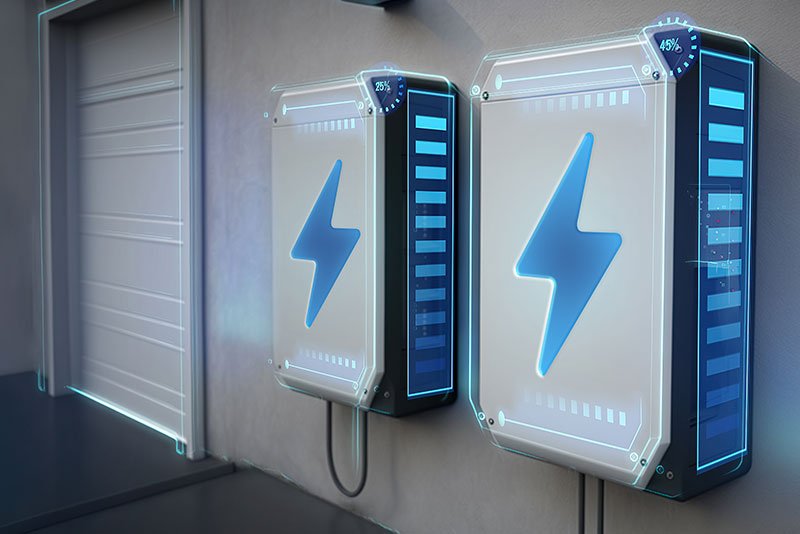
A residential battery system is an energy storage solution designed to store electricity for household use. It is commonly connected to a rooftop solar system and stores excess electricity that is not immediately required by the home.
Instead of exporting all unused solar electricity to the grid, the system can store that energy in a battery. Homeowners can then use the stored electricity when solar panels are producing less power.
For example, during the afternoon, your solar panels may generate more electricity than your household consumes. The extra electricity can charge the battery. In the evening, when solar generation stops, the stored electricity can supply household appliances.
This allows homeowners to increase their use of self-generated solar electricity.
How Does a Residential Battery System Work?
A residential battery system works alongside solar panels, an inverter and your home’s electrical supply. Each component has a specific role in generating, converting and storing electricity.
The general working process includes the following steps:
Step 1: Solar Electricity Generation
Solar panels capture sunlight and convert it into DC electricity during the day.
Step 2: Powering Household Appliances
The generated electricity is converted into usable AC electricity through the inverter and supplies the home’s immediate energy requirements.
Step 3: Storing Excess Electricity
When solar generation is higher than household consumption, the surplus electricity can be directed towards the battery for storage.
Step 4: Using Stored Electricity
During the evening or when solar generation decreases, the battery supplies stored electricity to the home.
Step 5: Grid Electricity as Additional Supply
If the battery becomes depleted or household demand exceeds its available output, electricity can be drawn from the grid, depending on the system configuration.
This process helps households manage electricity usage across different times of the day.
What Are the Different Types of Residential Batteries?
Battery technology plays an important role in determining storage capacity, performance, lifespan and maintenance requirements.
Some commonly known battery technologies include:
Lithium-Ion Batteries
Lithium-ion batteries are widely used in modern residential energy storage systems. They offer good energy density, efficient charging and discharging, and relatively compact designs.
Different lithium-ion chemistries are available, including lithium iron phosphate (LFP) and nickel manganese cobalt (NMC). Their characteristics, installation requirements and specifications vary.
Lead-Acid Batteries
Lead-acid batteries are an established rechargeable battery technology used in various backup power applications. They are generally more affordable initially but can be heavier and require more maintenance, depending on the battery design.
Nickel-Based Batteries
Nickel-based batteries are used in certain energy storage and industrial applications. They are known for particular operating characteristics, including their ability to handle different temperature conditions.
Flow Batteries
Flow batteries store energy using liquid electrolytes held in external tanks. They are more commonly considered for larger energy storage applications because their storage capacity can be adjusted through tank size.
For most modern residential solar installations, lithium-ion technology is a common option. The final choice should depend on household requirements, budget and manufacturer specifications.
Key Benefits of Installing a Residential Battery System
Adding battery storage to your home can offer several advantages when the system is properly designed.
Better Use of Solar Electricity
Without battery storage, excess solar electricity may be exported to the grid. A battery allows you to store some of this electricity and use it later, increasing your household’s solar self-consumption.
Reduced Grid Dependence
Using stored solar energy during the evening can reduce the amount of electricity purchased from your retailer. The actual reduction depends on battery capacity and household consumption.
Backup Power During Outages
Some residential battery systems can supply electricity to selected appliances during a grid outage. This can be useful for essential household equipment.
However, backup functionality requires suitable equipment and electrical configuration. Not every battery system automatically provides backup power.
Improved Energy Management
Battery monitoring applications can show how much electricity your solar panels generate, how much energy is stored and when your home uses the battery.
This information helps homeowners understand their electricity consumption patterns.
How to Choose the Right Battery Capacity for Your Home
Choosing an appropriate battery capacity is essential for getting the expected benefits from energy storage.
Battery capacity is measured in kilowatt-hours (kWh), which indicates how much energy a battery can store.
Before selecting a battery, consider:
- Household Electricity Consumption: Review your electricity bills to understand daily energy requirements.
- Evening Usage: Identify how much electricity your home consumes after sunset.
- Solar Generation: Check whether your solar panels produce enough excess electricity to charge the battery.
- Essential Appliances: Decide which appliances you want to operate using stored electricity.
- Future Requirements: Consider additional appliances, electric vehicle charging or other planned energy upgrades.
Also compare usable battery capacity, maximum power output and warranty conditions. These specifications help determine how much electricity the battery can actually supply and for how long.
A professional assessment can help identify the right configuration for your home.
Can You Add a Battery to an Existing Solar System?
Yes, many existing solar installations can be upgraded with battery storage. However, the compatibility of your current inverter and electrical setup should be checked before installation.
There are two common ways to connect a battery:
AC-Coupled System: This configuration uses a separate battery inverter and connects to the home’s AC electrical system. It is often considered when adding battery storage to an existing solar installation.
DC-Coupled System: This configuration connects the battery to the solar system through a compatible hybrid inverter. It can be a suitable option when installing solar panels and battery storage together.
The installer should assess your existing equipment and recommend the appropriate connection method.
Residential Battery System vs Commercial Battery System
Battery storage is useful for both homes and businesses, but the system requirements can be quite different.
A residential battery system is designed around household electricity consumption. It generally supports domestic appliances, lighting, heating, cooling and other everyday electrical needs.
In comparison, a commercial battery system is designed for businesses, offices, warehouses and industrial properties with different electricity consumption patterns.
Commercial installations may require larger storage capacities, advanced energy management and peak-demand control.
Both systems store electricity for later use, but their design and configuration depend on the property’s energy requirements.
Conclusion
A residential battery system can help Australian homeowners make better use of solar-generated electricity by storing excess energy for use during the evening, at night or when solar production is low. It can also provide backup electricity when supported by the system’s configuration.
Before choosing a battery, consider its storage capacity, technology, usable energy, inverter compatibility, warranty and installation requirements. The right solution should match your household’s electricity consumption rather than simply having the largest available storage capacity.
Working with an experienced solar provider can help you understand the available options and select a suitable battery configuration. With proper planning, home battery storage can become a useful part of your household energy system.