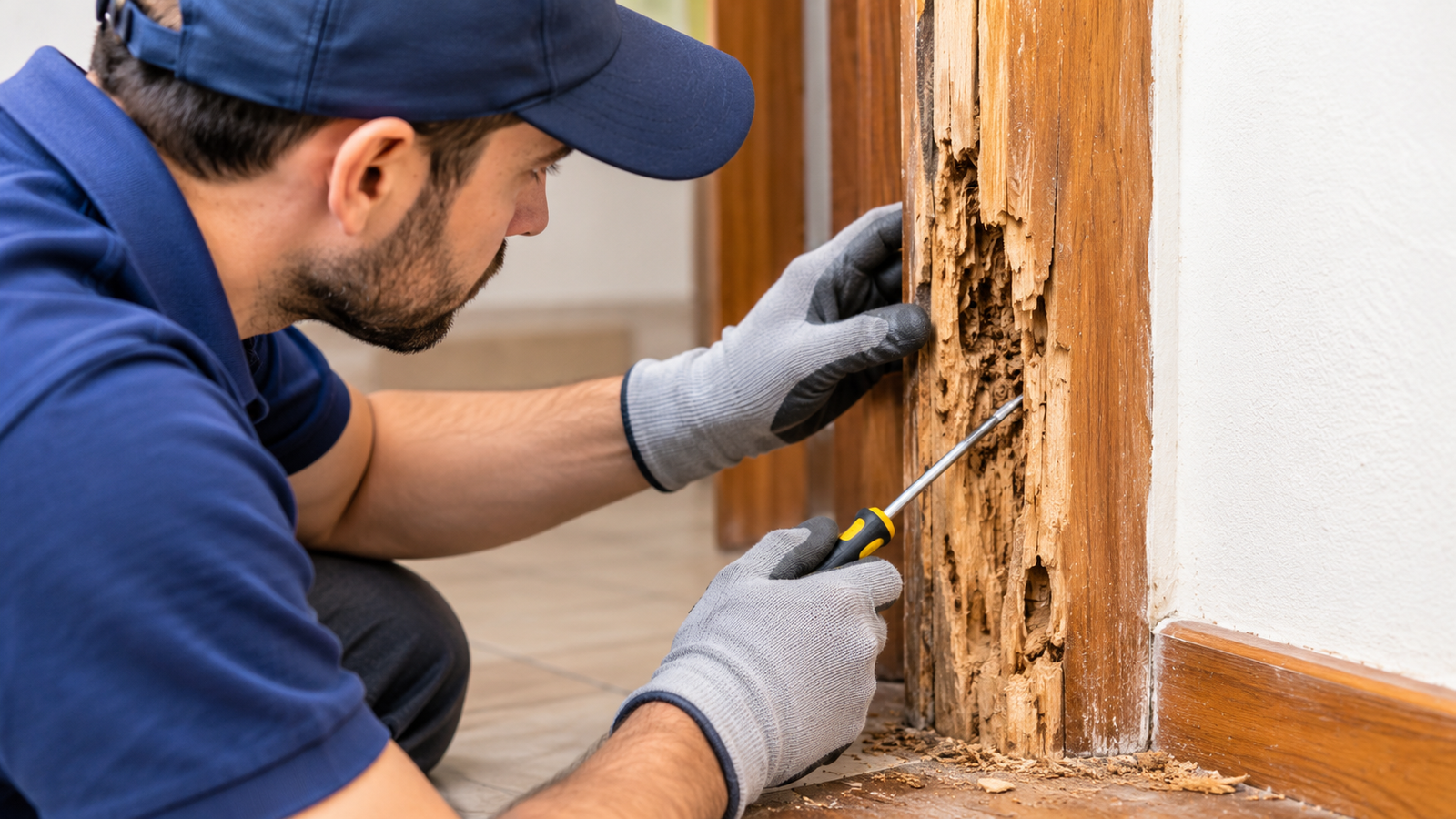
Owning a home comes with plenty of responsibilities, and keeping an eye on its condition is one of the most important. While homeowners often notice obvious issues such as leaking pipes, damaged paint, or roof problems, some threats can remain hidden for months. Termites are a good example. These small insects can quietly damage wooden structures without attracting much attention until the problem becomes serious.
That is why routine home checks are worth making part of regular property maintenance. Taking time to inspect common problem areas can help homeowners recognize unusual changes before they turn into expensive repairs. Understanding residential termite warning signs and knowing when to seek professional help can make a meaningful difference in protecting a property.
Why Termite Problems Often Go Unnoticed
Termites are difficult to detect because they usually stay hidden inside wood, behind walls, or beneath flooring. Unlike pests that move around openly, many termite species work out of sight. Homeowners may not realize anything is wrong until they notice damaged wood, discarded wings, or other visible clues.
The damage can develop gradually, making it easy to overlook during everyday cleaning and maintenance. A wooden doorframe might begin to sound hollow, or a section of flooring may feel slightly different underfoot. These changes do not always mean termites are present, but they deserve attention.
Regular home checks give homeowners an opportunity to notice these small differences instead of waiting for more obvious damage.
Common Areas to Check for Termite Activity
A useful home inspection does not have to be complicated. Homeowners can start by paying attention to areas where moisture, wood, and limited airflow may create favorable conditions for termite activity.
Some important places to examine include:
-
Wooden doorframes and window frames: Look for bubbling paint, damaged edges, or wood that appears weakened.
-
Basements and crawl spaces: Check for moisture, visible mud tubes, and signs of wood deterioration.
-
Bathrooms and kitchens: Pay attention to damp cabinets, leaking plumbing, and soft wooden surfaces.
-
Garages and storage areas: Inspect stored cardboard, wooden boxes, and areas where items are kept directly against walls.
-
Exterior foundations: Look for mud tubes, damaged wooden structures, and wood-to-soil contact around the property.
These simple checks can help homeowners become more familiar with their property’s condition. If something looks unusual, a closer professional inspection may be necessary.
Recognizing Early Warning Signs Before Damage Spreads
One of the biggest advantages of routine inspections is the opportunity for early detection of termites. Catching suspicious activity early can help homeowners arrange an appropriate assessment before damage becomes extensive.
Mud tubes are one warning sign worth recognizing. Subterranean termites often build narrow, soil-like tunnels along foundations, walls, or other surfaces to protect themselves while traveling between their colony and a food source.
Discarded wings are another clue. During certain seasons, reproductive termites leave their colonies in swarms. Afterward, homeowners may find small piles of shed wings near windows, doors, or other light sources.
Other possible signs include hollow-sounding wood, blistered paint, damaged wooden surfaces, and doors or windows that suddenly become difficult to open. Although these problems can have other causes, they should not be ignored when several signs appear together.
How Moisture Can Increase the Risk of Termite Activity
Moisture problems deserve special attention during routine home checks. Leaking faucets, blocked gutters, poor drainage, and plumbing issues can create damp conditions around a property.
Some termite species are particularly associated with moist environments, while others can obtain moisture in different ways. Regardless of the species, unnecessary moisture around wooden structures can contribute to conditions that make termite problems harder to manage.
Homeowners can reduce potential risks by repairing leaks, keeping gutters clear, directing rainwater away from foundations, and avoiding unnecessary wood-to-soil contact. Improving ventilation in damp areas can also help maintain a healthier indoor environment.
These maintenance habits do not guarantee that termites will stay away, but they can help reduce conditions that support certain types of termite activity.
Why Professional Termite Inspections Are Important
Checking your home yourself is a helpful starting point, but it cannot replace a detailed professional inspection. Termites can enter through small openings and remain hidden in places that are difficult to access without proper equipment and experience.
A trained pest control professional knows where to look and how to recognize signs that may be missed during an ordinary walkthrough. They can examine accessible structural wood, foundations, crawl spaces, and areas with moisture concerns.
Professional inspections are especially useful when a home has a history of termite activity, unexplained wood damage, or conditions that may encourage infestations. Depending on the findings, the technician can recommend suitable treatment options and preventive measures.
For homeowners in Southern California, arranging routine inspections can be a practical way to stay ahead of potential termite concerns. The team at Impressive Exterminating Pest Control can help homeowners understand their property’s condition and determine the next steps when termite activity is suspected.
Simple Habits That Can Help Protect Your Home
Along with scheduling professional inspections, homeowners can develop a few simple habits to make termite prevention part of their regular maintenance routine.
Consider these practical steps:
-
Keep firewood, cardboard, and unused wooden materials away from exterior walls.
-
Repair leaking pipes and faucets as soon as possible.
-
Clean gutters regularly to prevent water from collecting near the foundation.
-
Keep plants and shrubs trimmed so they do not hide potential warning signs.
-
Check wooden structures around patios, fences, and outdoor storage areas.
-
Avoid allowing soil, mulch, or landscaping materials to cover important foundation inspection areas.
These actions may seem small, but consistent maintenance can make it easier to notice developing problems. They also help reduce moisture and clutter around areas where termites may find suitable conditions.
Make Routine Home Checks Part of Your Maintenance Plan
Termite prevention is not something homeowners should think about only after discovering damage. Making routine home checks part of a seasonal maintenance schedule can help keep property conditions under control and encourage quicker action when something unusual appears.
It is helpful to take a closer look at the property at least once a year, while checking for visible changes more frequently. Homes with previous termite activity or moisture problems may benefit from additional attention.
Most importantly, do not assume that a lack of visible insects means your home is free from termites. These pests can remain hidden, and even a careful visual check cannot guarantee that there is no infestation.
If you notice mud tubes, discarded wings, damaged wood, or other suspicious changes, consider arranging a professional assessment rather than waiting for the problem to become more noticeable.
Protecting a home starts with paying attention to the small details. With consistent maintenance, awareness of early warning signs, and help from experienced pest control professionals, homeowners can take sensible steps toward protecting their property’s structure and long-term value.