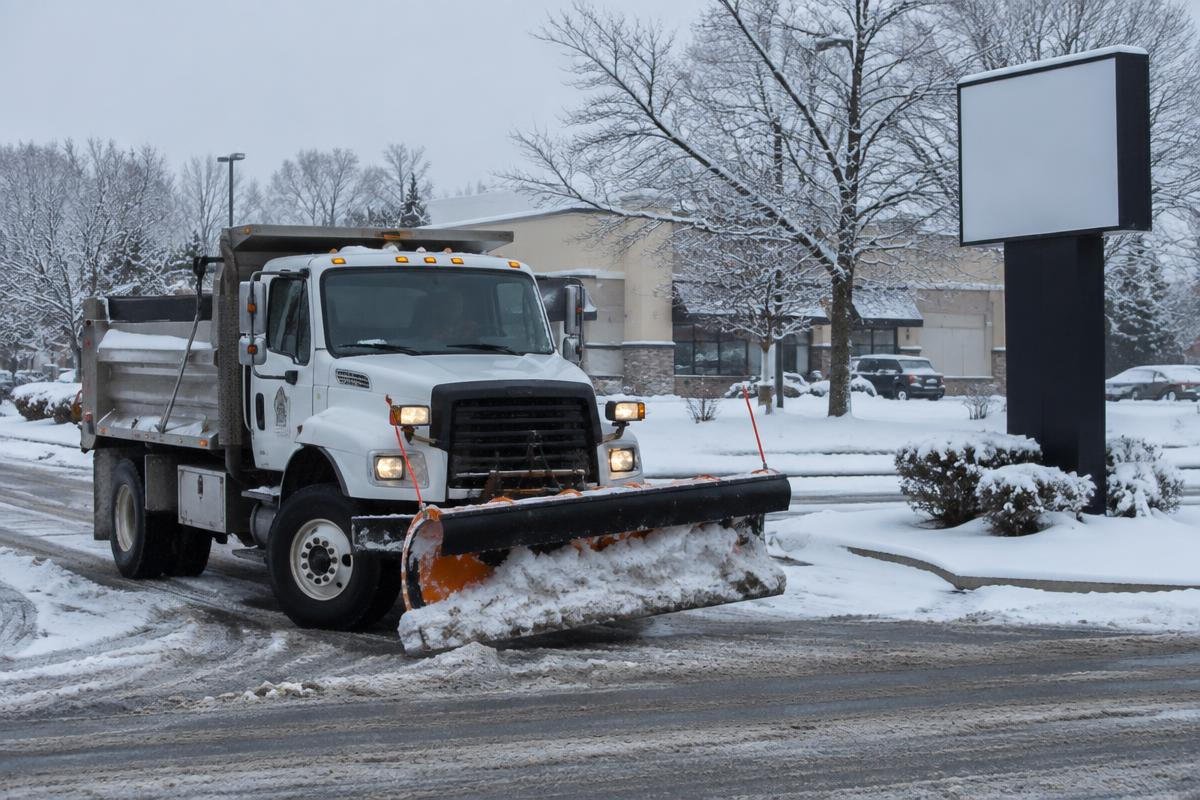
Winter weather can place unexpected pressure on commercial facilities. Snow accumulation may affect employee arrival times, interrupt deliveries, complicate customer access, and create additional responsibilities for property management teams. These challenges become more difficult when several departments need to respond at once. Preparing a coordinated approach helps businesses maintain better control over their premises when winter conditions interfere with normal routines.
Businesses considering commercial snow removal Edison NJ should think about how winter maintenance supports their wider operational goals. Clearing snow is important, but the planning behind the service also matters. Managers need to understand which activities may be affected, how responsibilities will be coordinated, and what steps can help restore normal operations after severe weather.
A practical winter strategy recognizes that every disruption has a different impact. A delayed delivery may affect one department, while restricted access to a main entrance could influence an entire facility. Understanding these operational connections allows property managers to make more informed decisions throughout the winter season.
Understand Which Business Activities Depend on Outdoor Access
The first step in managing winter disruptions is identifying business activities that rely on exterior access. Deliveries, customer appointments, employee shifts, waste collection, and equipment servicing may all depend on clear routes around a commercial property.
Managers should consider which activities are time-sensitive and which can be adjusted when weather conditions become difficult. This assessment helps establish realistic priorities for winter maintenance. For example, a facility that receives regular shipments may need particular attention around its service entrances, while a customer-facing business may place greater importance on accessible visitor areas.
Develop a Plan for Unexpected Schedule Changes
Winter conditions can affect business schedules even when a property receives timely maintenance. Employees may experience travel delays, suppliers may adjust delivery times, and customers may need updated appointment information.
Property managers can prepare simple procedures for communicating temporary schedule changes. These procedures should identify who approves operational adjustments and how updates reach employees, tenants, and visitors. A consistent process reduces confusion when normal routines need to change. It also helps businesses respond without relying on improvised decisions during periods of poor weather.
Keep Critical Building Systems Accessible
Commercial buildings contain exterior systems that may require inspection, maintenance, or emergency attention during winter. Utility connections, electrical equipment, mechanical access points, and service panels should remain identifiable and reachable by authorized personnel.
Managers should review the location of these features before the season begins and communicate any relevant restrictions to maintenance providers. Snow should not be stored in places that interfere with access to important building equipment. Keeping these areas in mind during winter planning supports routine facility management and makes it easier to arrange repairs when necessary.
Coordinate Snow Management With Employee Responsibilities
Employees may have different responsibilities when winter weather affects a commercial site. Reception teams may need to communicate access changes, facility staff may monitor exterior conditions, and supervisors may adjust work arrangements.
These responsibilities should be clear before snowfall begins. Property managers can explain who receives maintenance reports, who communicates with service providers, and which decisions require management approval. This avoids overlapping instructions and helps employees understand their role without expecting them to take on tasks outside their responsibilities.
Consider the Needs of Visitors and Delivery Personnel
Visitors and delivery drivers may be unfamiliar with a commercial property’s layout. During winter, unclear directions or changes to normal access arrangements can create additional difficulties.
Managers should consider how people approaching the site will identify the appropriate entrance, delivery point, or designated parking area. Temporary signs and updated instructions may be useful when normal routes are affected. Businesses should also review whether delivery areas provide enough room for vehicles to enter, turn, and leave without obstructing other parts of the property.
Manage Snow Accumulation Around Exterior Equipment
Commercial properties often contain exterior equipment that must remain accessible throughout the year. Examples include air conditioning units, generators, security equipment, storage enclosures, and mechanical installations.
Snow accumulation around these features can make inspections and maintenance more difficult. Property managers should identify equipment locations and discuss appropriate clearance considerations with their maintenance providers. The surrounding area should also be reviewed for drainage and access requirements. Including exterior equipment in the winter plan helps prevent these important features from becoming overlooked during routine snow-clearing activity.
Prepare for Conditions That Continue After Snowfall
The end of a snowfall does not necessarily mean that a property has returned to normal conditions. Remaining snow piles, changing temperatures, water accumulation, and restricted visibility may continue to affect daily operations.
A follow-up inspection can help managers identify areas that need additional attention. They should review entrances, exterior walkways, vehicle routes, and locations where accumulated snow affects access or sightlines. For businesses in Edison, NJ, planning for these changing conditions is an important part of maintaining commercial premises throughout the winter rather than focusing only on active snowfall.
Use Property Feedback to Identify Recurring Problems
Employees, tenants, contractors, and visitors may notice different issues during winter operations. Their observations can help property managers identify problems that are not immediately apparent during scheduled inspections.
A simple feedback process can collect information about difficult access points, recurring accumulation, confusing directions, or areas that require more frequent attention. Managers can review these reports to determine whether the property layout, maintenance schedule, or communication process needs adjustment. Snow Patrol LLC may be considered as part of a property’s winter service planning, with feedback helping managers explain site-specific requirements more clearly.
Evaluate the Impact of Winter Maintenance on Business Continuity
Winter maintenance should be assessed according to how well it supports the property’s ability to function. Managers can review whether important business activities continued as planned, whether service arrangements matched operational needs, and whether avoidable interruptions occurred.
This evaluation does not need to involve complicated reporting. Notes about recurring delays, access difficulties, service coordination, and maintenance costs can provide useful information. Comparing these observations over time helps businesses understand where improvements may be worthwhile. It also creates a stronger basis for planning future winter service arrangements.
Build a More Resilient Plan for Future Seasons
Every winter provides an opportunity to improve how a commercial property responds to challenging conditions. Managers can use their observations to update priority areas, revise communication procedures, and account for changes in building use or tenant requirements.
A property may expand, change its delivery arrangements, or introduce new operating hours over time. These developments can affect its winter maintenance needs. Reviewing the plan before each season ensures that service expectations remain relevant and that everyone involved understands the current requirements.
Conclusion
Managing winter disruptions requires a coordinated approach that connects snow maintenance with everyday commercial operations. Understanding access requirements, preparing for schedule changes, protecting building equipment, coordinating employee responsibilities, and reviewing recurring problems can help property managers respond more effectively to challenging weather.
For commercial facilities in Edison, NJ, dependable snow management is one part of maintaining business continuity during winter. Snow Patrol LLC is an option for property managers exploring seasonal service arrangements, while clear planning and regular evaluation help ensure that winter maintenance reflects the practical needs of each commercial site.