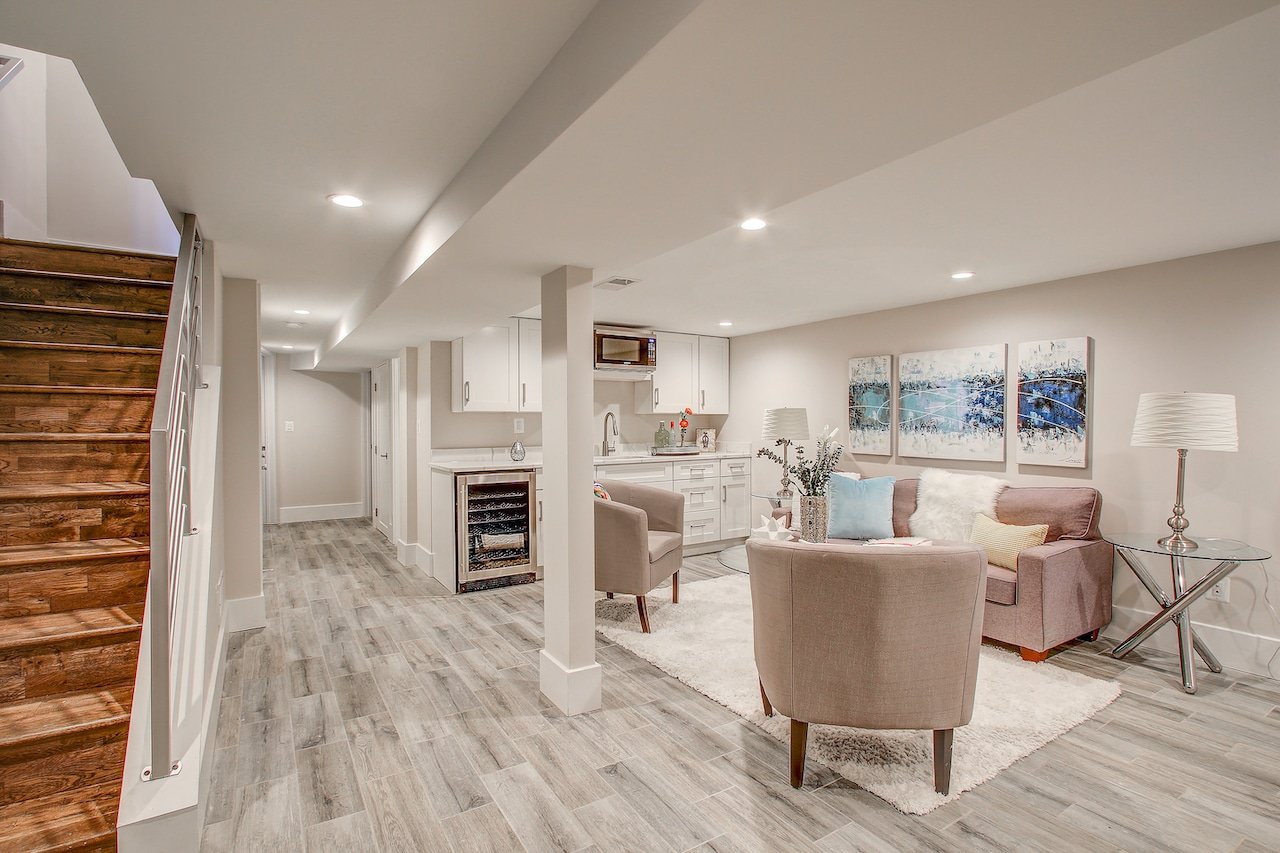
Planning a construction or remodeling project requires more than choosing materials and hiring workers. Property owners must consider budgets, building requirements, project timelines, structural conditions, and the experience needed to coordinate different stages of construction. Working with a qualified general contractor Anaheim can help homeowners understand these responsibilities and organize their projects more effectively.
Whether the goal is to renovate an existing property, add additional living space, or build a new home, understanding the construction process makes decision-making easier. A well-organized project begins with realistic expectations, careful planning, and a clear understanding of how different construction activities work together.
Understanding the Responsibilities of a General Contractor
A general contractor coordinates the different activities involved in a construction project. These responsibilities commonly include organizing labor, scheduling subcontractors, ordering materials, monitoring progress, and communicating with property owners.
Unlike individual tradespeople who specialize in specific tasks, general contractors oversee the broader construction process. They may coordinate electricians, plumbers, carpenters, painters, roofers, and other specialists depending on the project’s requirements.
Homeowners researching general contractors in Anaheim CA should understand that contractors can differ in their experience, licensing, project management methods, and areas of specialization.
Managing Different Construction Activities
Construction projects often involve several interconnected tasks. Electrical work may depend on wall framing, plumbing installations can affect flooring schedules, and painting usually takes place after major interior construction is complete.
Coordinating these activities helps reduce scheduling conflicts and unnecessary delays.
Communicating With Property Owners
Clear communication is important throughout construction. Homeowners should understand what work is scheduled, which materials are being installed, and whether unexpected conditions could affect the original plan.
Regular progress discussions also provide opportunities to address concerns before they become larger problems.
Planning a Construction Budget Before Work Begins
A realistic budget should account for more than the visible materials and labor costs. Construction expenses can include design services, permits, inspections, demolition, waste removal, equipment rental, and finishing materials.
Property owners should request detailed estimates that explain the work included in the proposed price.
Identifying Potential Additional Costs
Older homes sometimes contain hidden conditions that cannot be evaluated accurately without opening walls or removing existing finishes. Examples include deteriorated framing, outdated wiring, moisture damage, and plumbing problems.
Setting aside a reasonable contingency fund can help homeowners manage these discoveries without disrupting the entire project.
Comparing Estimates Carefully
When evaluating Anaheim general contracting services, homeowners should compare the scope of work rather than focusing exclusively on the lowest estimate.
Two proposals may have different prices because one includes demolition, cleanup, material installation, and finishing work while another covers only basic construction.
A written estimate should identify exclusions, allowances, payment arrangements, and expected project stages.
Understanding Permits and Building Requirements
Construction regulations help protect occupants, neighboring properties, and the long-term condition of buildings. Depending on the project, permits may be required for structural modifications, room additions, electrical installations, plumbing changes, and other regulated work.
Property owners should determine which approvals apply before construction begins.
Why Inspections Matter
Building inspections provide opportunities to verify that specific construction stages meet applicable requirements. These inspections may cover framing, electrical systems, plumbing, structural elements, and final construction conditions.
The exact inspection requirements depend on the scope of work and applicable local regulations.
Keeping Project Documentation
Important documents should remain organized throughout construction. These may include approved plans, permit records, inspection results, contracts, change orders, warranties, and receipts.
Good documentation helps property owners understand what was completed and provides useful information for future maintenance or property transactions.
Choosing Materials for Long-Term Performance
Material selection affects durability, maintenance, appearance, and overall project expenses. Homeowners should consider how frequently different surfaces will be used and what environmental conditions they must withstand.
For example, kitchens and bathrooms require materials that can tolerate moisture, regular cleaning, and repeated daily use.
Evaluating Interior Materials
Flooring, cabinetry, countertops, wall finishes, and fixtures should work together while meeting practical household needs.
Durable flooring may be appropriate for high-traffic areas, while moisture-resistant materials are important in bathrooms and laundry spaces.
Considering Energy Efficiency
Insulation, properly installed windows, efficient lighting, and suitable heating and cooling equipment can contribute to improved household energy performance.
These decisions should be considered during the planning stage rather than treated as last-minute upgrades.
Residential Remodeling and New Construction Considerations
A residential construction contractor may handle several types of projects, including kitchen renovations, bathroom improvements, room additions, structural modifications, and new residential construction.
Each project requires different planning considerations.
Remodeling an existing property requires evaluating current structural conditions and determining which features can remain. New construction involves additional decisions about site preparation, foundation design, framing, utilities, and building layout.
A construction and remodeling company may coordinate multiple services, but homeowners should verify that the proposed scope matches their actual requirements.
References to GAA Construction Corp. or GAA Construction should also be evaluated through the same objective process as any other construction business, including reviewing relevant licensing, project documentation, and service agreements.
Establishing a Practical Construction Timeline
Construction timelines depend on project size, material availability, labor scheduling, inspection requirements, and unexpected site conditions.
A detailed schedule should divide the work into manageable stages, such as planning, preparation, demolition, structural construction, mechanical installations, finishing, and final inspection.
Homeowners should also understand which activities can happen simultaneously and which must be completed in sequence.
Final Thoughts
Successful construction depends on thoughtful preparation, responsible coordination, and informed decisions at every stage. Property owners who understand budgets, permits, materials, timelines, and contractor responsibilities are better positioned to manage residential improvements.
Choosing a general contractor Anaheim requires evaluating experience, licensing, communication, written estimates, and project management practices. For additional information about residential construction, project planning, or professional assistance, homeowners can contact a qualified construction professional to discuss their specific requirements. Taking time to review these factors before signing an agreement can help create a more organized construction experience and support the long-term quality of the finished property.