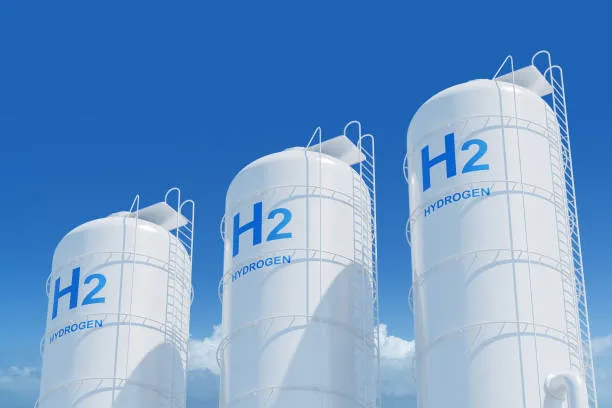
India is steadily advancing its clean energy ambitions by embracing hydrogen as a strategic fuel for industrial decarbonization and long-term energy security. Government initiatives, investments in renewable energy, and increasing collaboration between public and private stakeholders are encouraging the development of hydrogen production, storage, and distribution infrastructure. As industries pursue lower-carbon alternatives, hydrogen is emerging as an important component of India’s evolving energy landscape.
The India Hydrogen Market reflects the country’s growing commitment to sustainable industrial development and energy diversification. According to a recent study by Markntel Advisor, the sector is witnessing increasing interest from industries seeking cleaner fuel alternatives. Growing investments in hydrogen production technologies, supportive policy initiatives, and renewable energy integration are creating favorable conditions for market expansion while strengthening India’s position in the global clean energy ecosystem.
Industries such as refining, fertilizers, steel manufacturing, chemicals, and transportation are exploring hydrogen to reduce carbon emissions and improve operational sustainability. Advances in electrolyzer technology, renewable electricity generation, and infrastructure planning are further supporting the gradual adoption of hydrogen across multiple end-use sectors.
Government Policies Are Strengthening Market Development
Supportive government initiatives continue to play an important role in accelerating hydrogen adoption across India. National programs focused on clean energy transition encourage investments in green hydrogen production, research activities, and domestic manufacturing capabilities. These initiatives aim to reduce dependence on conventional fossil fuels while supporting industrial competitiveness and environmental objectives. According to the International Energy Agency (IEA), hydrogen is expected to play a significant role in achieving global net-zero emission targets by supporting the decarbonization of hard-to-abate sectors.
Industrial Decarbonization Creates New Opportunities
Heavy industries are increasingly evaluating hydrogen as a practical solution for reducing greenhouse gas emissions. Sectors with energy-intensive manufacturing processes are exploring hydrogen to replace conventional fuels in applications where direct electrification remains challenging. This transition supports corporate sustainability goals while aligning with evolving environmental regulations and international climate commitments.
Growing interest in low-carbon manufacturing is also encouraging partnerships between technology providers, industrial companies, and energy developers. These collaborations focus on improving production efficiency, lowering operational costs, and developing commercially viable hydrogen ecosystems capable of supporting long-term industrial demand.
Renewable Energy Integration Supports Hydrogen Production
India’s expanding renewable energy capacity provides a strong foundation for sustainable hydrogen production. Solar and wind energy projects are increasingly being integrated with electrolysis systems, enabling the production of cleaner hydrogen while utilizing abundant renewable resources. This approach contributes to improved energy utilization and supports broader decarbonization efforts across multiple sectors.
Advancements in renewable power generation, grid modernization, and energy storage technologies are expected to enhance production efficiency. As renewable electricity becomes more accessible, hydrogen producers may benefit from improved operational flexibility and reduced dependence on conventional energy sources.
Infrastructure Development Remains a Key Priority
The successful adoption of hydrogen depends on the availability of reliable infrastructure for production, transportation, storage, and distribution. Building an integrated hydrogen ecosystem requires coordinated investments across the entire value chain, including pipelines, storage facilities, fueling stations, and industrial supply networks.
Several organizations are working together to develop standardized infrastructure while addressing safety requirements and operational best practices. Continued infrastructure expansion will help improve supply chain efficiency and facilitate wider hydrogen utilization across industrial and commercial applications.
Technology Innovation Enhances Market Competitiveness
Continuous technological innovation is improving the efficiency of hydrogen production and utilization. Research institutions, technology developers, and industrial manufacturers are investing in advanced electrolyzers, fuel cells, storage solutions, and carbon capture technologies to improve commercial viability. These advancements contribute to greater operational efficiency and support the transition toward cleaner industrial processes.
Digital technologies, automation, and advanced monitoring systems are also improving plant performance by optimizing production processes and enhancing asset reliability. Such innovations enable organizations to manage hydrogen operations more effectively while supporting long-term sustainability objectives.
Future Outlook
India’s hydrogen ecosystem is expected to evolve alongside the country’s broader clean energy transition. Continued policy support, industrial collaboration, renewable energy deployment, and technological advancements are likely to strengthen market development over the coming years. As businesses prioritize sustainability and energy resilience, hydrogen is positioned to become an increasingly important component of India’s future energy mix. The World Economic Forum also highlights hydrogen as a critical technology for achieving industrial decarbonization and accelerating the transition toward low-carbon economies.