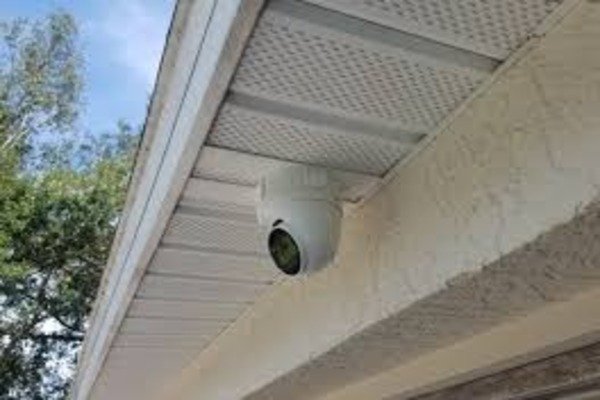
Security is a priority for homeowners and businesses looking to protect their properties, employees, and valuable belongings. A properly designed surveillance system can help monitor entrances, outdoor spaces, parking areas, and other locations that require additional attention. Professional CCTV installation Toronto services can help property owners select suitable cameras and determine the best positions for reliable coverage. Every property has different security requirements, so factors such as building layout, lighting, connectivity, and recording needs should be considered before installation begins. A small residential property may require only a few strategically positioned cameras, while a commercial building might benefit from a more extensive system. Choosing the right equipment and planning its placement carefully can reduce blind spots and improve image quality. With a suitable surveillance setup, property owners can monitor important areas more effectively and make informed decisions about their overall security arrangements.
Understanding the Importance of CCTV Surveillance
Security cameras can provide useful information about activities around residential and commercial properties. Their visible presence may discourage unauthorized access, while recorded footage can help clarify incidents involving theft, property damage, or unexpected visitors. Businesses can use surveillance to monitor entrances, reception desks, stockrooms, and loading areas. Homeowners may prefer cameras near front doors, garages, side entrances, and backyards. The most effective system is not necessarily the one with the greatest number of cameras; it is the one that covers important areas with clear, useful images. Modern surveillance equipment may include motion detection, night vision, remote viewing, and digital recording features. These options allow property owners to check activity and review footage when necessary. Before selecting a system, it is worth identifying the property’s main security concerns and determining which features are genuinely useful. This approach helps avoid unnecessary expenses while ensuring that the surveillance equipment supports practical security objectives.
Choosing Suitable Cameras for Your Property
Selecting the right cameras requires an understanding of the environment in which they will operate. Indoor cameras are generally designed for offices, hallways, retail spaces, and other sheltered locations. Outdoor cameras need suitable weather protection and should withstand the conditions they will experience throughout the year. Image resolution is another important consideration because clearer footage can make it easier to identify people, objects, and activities. Night vision is useful for locations with limited lighting, while wide-angle lenses can help cover larger areas. However, the viewing angle should be selected carefully to ensure that important details remain visible. Property owners should also compare wired and wireless models, recording options, storage capacity, and remote access capabilities. Compatibility with existing equipment may influence the final decision, especially when upgrading an older surveillance system. By comparing these requirements before purchasing cameras, homeowners and businesses can choose equipment that matches their property’s layout, security priorities, and available budget.
Planning Camera Placement and Coverage
Camera placement has a direct impact on the usefulness of a surveillance system. Before installation, property owners should identify areas where monitoring is most important, including entrances, emergency exits, driveways, corridors, and locations containing valuable equipment. Cameras should be positioned to capture useful details while minimizing blind spots. Mounting height and viewing angle require careful attention because a camera directed too far downward or installed too high may not capture sufficient identifying information. Lighting conditions should also be evaluated at different times of the day. Bright sunlight, reflections, shadows, and dark corners can affect image quality. For outdoor locations, installers should consider exposure to rain, snow, wind, and potential tampering. Cable routes and access to power supplies should be planned before equipment is attached to walls or ceilings. A proper assessment can help determine the number of cameras needed and prevent unnecessary adjustments after installation. Careful planning creates a more organized surveillance system that supports dependable monitoring.
Benefits of Professional Security Camera Installation
Professional installation can help property owners avoid common problems associated with poorly positioned or improperly secured cameras. Installers can assess mounting surfaces, select appropriate brackets, plan cable routes, and configure equipment according to the property’s requirements. Secure mounting is particularly important for outdoor cameras and equipment installed on ceilings or elevated walls. Poorly attached devices may shift over time, resulting in reduced coverage or unstable images. Professional setup can also include testing camera angles, checking network connections, confirming recording functionality, and configuring remote viewing where supported. These steps help ensure that the system performs as expected before the installation is complete. Network-connected cameras should also be configured with strong passwords and appropriate security settings. Property owners should receive clear instructions on accessing recordings, reviewing footage, and managing basic settings. Taking the time to complete these tasks properly can improve everyday usability and reduce the likelihood of avoidable technical problems. The result is a surveillance arrangement designed around the property’s actual needs.
Protecting Privacy While Monitoring Your Property
Security cameras should be installed with privacy and responsible monitoring in mind. Homeowners and businesses should direct cameras toward areas that require legitimate security coverage rather than unnecessarily recording neighbouring properties or private spaces. Commercial properties should also consider applicable workplace privacy requirements and communicate monitoring practices where required. Audio recording may involve additional legal obligations, so property owners should understand the relevant rules before enabling this feature. Protecting recorded footage is equally important. Strong passwords, updated software, secure network settings, and limited account access can help reduce the risk of unauthorized viewing. Recording devices should be placed in secure locations, and access should be provided only to people who need it. Businesses may also benefit from establishing clear procedures for storing, reviewing, and deleting footage. These measures help ensure that surveillance serves its intended purpose without creating unnecessary privacy concerns. A well-managed security system combines effective monitoring with responsible access and careful handling of recorded information.
Maintaining Your Surveillance System Over Time
Regular maintenance helps keep security cameras working properly and ensures that important areas remain visible. Outdoor lenses may collect dust, water spots, and debris, while indoor equipment can become obstructed by furniture, decorations, or changes to the surrounding space. Property owners should inspect cameras periodically and clean them according to the manufacturer’s instructions. Reviewing sample recordings can help identify blurry images, poor nighttime visibility, connection problems, or unexpected gaps in footage. It is also important to check recording capacity, power supplies, network performance, and software updates. Changes to landscaping, renovations, or new structures can create blind spots that were not present when the system was first installed. Businesses experiencing changes in operations may also need to reposition cameras to cover new entrances or storage areas. A simple maintenance schedule makes these tasks easier to manage. By checking equipment regularly and addressing issues promptly, property owners can maintain useful surveillance coverage and extend the service life of their cameras.
Conclusion: Creating a Reliable Security Setup
A reliable surveillance system depends on appropriate equipment, careful planning, secure installation, and consistent maintenance. Property owners should consider their most important monitoring areas, lighting conditions, recording requirements, and privacy responsibilities before choosing a camera system. Proper positioning helps reduce blind spots, while secure mounting and correct configuration support dependable performance. Regular inspections can identify problems early and ensure that cameras continue to provide clear footage as a property’s needs change. When mounting security cameras, attention should be given to the mounting surface, viewing angle, weather exposure, cable management, and accessibility for future maintenance. These practical considerations can make a significant difference in the overall effectiveness of a security setup. Property owners in Toronto can explore suitable professional installation options through Auxe. With a system designed around specific security requirements, homeowners and businesses can monitor important areas more effectively and maintain greater confidence in protecting their properties.