Jackets are a popular choice for custom embroidery because they provide enough space to showcase large logos, detailed artwork, team names, and creative designs. From motorcycle club jackets to corporate uniforms and fashion apparel, embroidered jacket backs help create a bold and professional appearance. However, producing high-quality embroidery on large jacket panels requires proper design preparation and accurate stitch planning. This is where jacket back digitizing becomes important.
Jacket back digitizing is the process of converting large artwork, logos, lettering, and custom graphics into machine-readable embroidery files designed specifically for the back panels of jackets. Unlike smaller embroidery projects, jacket back designs often contain larger stitching areas, multiple design elements, and detailed artwork that require careful attention to stitch density, underlay, thread direction, and fabric stability.
Professional digitizing helps ensure that large embroidery designs maintain their shape, achieve balanced coverage, and produce clean results during machine embroidery. Whether you are creating custom biker jackets, varsity jackets, denim jackets, or branded workwear, a properly digitized design can make a significant difference in the final appearance.
What Is Jacket Back Digitizing?
Jacket back digitizing is a specialised embroidery digitizing process that transforms digital artwork into stitch instructions for embroidery machines. These instructions control how the machine creates different design elements, including outlines, lettering, filled areas, and decorative details.
Since jacket backs provide a relatively large embroidery area, designs can include complex artwork that would be difficult to reproduce using standard stitching without proper planning.
A professional jacket back embroidery file considers several important factors:
- Overall design dimensions and placement.
- Jacket fabric type and thickness.
- Stitch density and stitch direction.
- Underlay and stabilisation requirements.
- Thread colours and design sequencing.
- Pull compensation and fabric movement.
- Embroidery machine compatibility.
Considering these elements helps create embroidery designs that look balanced and maintain their appearance throughout production.
Why Is Professional Jacket Back Digitizing Important?
Large embroidery designs require more planning than smaller logos or lettering. A poorly prepared file can result in excessive stitching, fabric distortion, uneven coverage, and alignment problems.
Jacket materials also vary significantly. Denim, leather, polyester, cotton, and heavyweight fabrics each have different characteristics that influence embroidery performance.
Professional jacket back digitizing takes these differences into account and adjusts the stitch structure according to the intended material and design.
The result is a more organised embroidery file that helps operators achieve consistent stitching, cleaner outlines, and better overall design quality.
Popular Types of Jacket Back Embroidery Designs
Jacket back embroidery is used for different purposes, from personal fashion to business branding and professional team apparel.
1. Biker Jacket Back Designs
Motorcycle clubs frequently use large embroidered back patches featuring club names, symbols, artwork, and decorative lettering. These designs often contain multiple elements that require careful digitizing to maintain readability and visual balance.
2. Varsity Jacket Embroidery
Varsity jackets commonly feature school names, team logos, graduation years, initials, and custom graphics. Large back designs help represent team identity and create a distinctive appearance.
3. Denim Jacket Back Embroidery
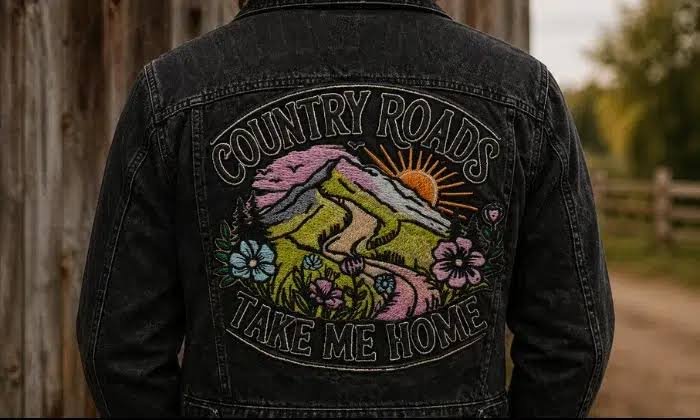
Denim jackets are popular for custom fashion and personalised apparel. Embroidered back designs can include artistic illustrations, lettering, floral patterns, and creative graphics.
4. Corporate Jacket Embroidery
Businesses use embroidered jacket backs for employee uniforms, promotional clothing, and branded merchandise. Professional digitizing helps reproduce company logos and other brand elements consistently.
5. Fashion and Streetwear Designs
Fashion brands often use large embroidered artwork to create distinctive jackets. These designs may include typography, decorative illustrations, symbols, and multiple colour combinations.
6. Custom Logo and Artwork Embroidery
Custom artwork can be converted into embroidery files for personalised jackets, clothing collections, and promotional products. The digitizing process focuses on preserving important visual elements while adapting the design for machine stitching.
Important Factors in High-Quality Jacket Back Digitizing
Creating professional large-scale embroidery requires attention to several technical details. Each factor contributes to the quality, durability, and appearance of the finished design.
Accurate Design Size and Placement
Jacket back designs are usually larger than standard chest logos. Their dimensions should be selected according to the available back panel area, jacket size, and intended visual appearance.
Correct positioning helps ensure that the design is centred and proportionate without interfering with seams or other jacket features.
Proper Stitch Density
Stitch density determines how closely stitches are placed together. Large designs require balanced density to achieve sufficient coverage without creating unnecessary bulk.
Excessive stitching can make the jacket stiff and increase production time, while insufficient density may affect the finished appearance.
Underlay Stitching
Underlay provides a foundation for the main embroidery stitches. It helps stabilise the fabric, support the design, and improve the appearance of the top stitching.
The appropriate underlay depends on the jacket material, design dimensions, and embroidery technique.
Stitch Direction
Stitch direction affects how light reflects from the embroidery and how the design interacts with the fabric. Proper stitch angles can create a smoother appearance and help different design sections look visually balanced.
Pull Compensation
During embroidery, fabric and thread tension can affect the final dimensions of a design. Pull compensation helps account for these changes and maintain the intended shape.
This is especially important for large lettering, outlines, and detailed artwork.
Fabric Stabilisation
Different jacket materials require different stabilisation approaches. Denim and heavyweight cotton behave differently from lightweight polyester or leather.
Selecting suitable stabilisers and hooping methods helps reduce shifting, puckering, and unwanted distortion during embroidery.
Best Fabrics for Jacket Back Embroidery
The jacket material plays an important role in determining the digitizing approach. Understanding the fabric helps ensure that the design is suitable for the intended garment.
Denim: Denim is a popular material for large embroidered back designs. Its relatively sturdy construction can support detailed artwork and decorative stitching.
Leather: Leather jackets require careful embroidery planning because the material can be difficult to handle and needle perforations may remain visible. Design simplicity, suitable backing, and proper machine settings are important.
Cotton: Cotton jackets can support various embroidery styles, but stabilisation and stitch density should be adjusted according to the fabric weight.
Polyester: Polyester jackets are commonly used for sportswear, uniforms, and promotional apparel. Proper stabilisation helps minimise fabric movement and distortion.
Satin: Satin jackets offer a smooth and attractive surface, but their slippery texture requires additional attention during hooping and embroidery preparation.
Common Jacket Back Digitizing Mistakes to Avoid
Large embroidery projects can become challenging when important digitizing details are overlooked. Avoiding common mistakes helps improve the final output and reduce production issues.
- Incorrect design dimensions: Designs that are too large may not fit the available jacket panel properly.
- Excessive stitch density: Too many stitches can create unnecessary weight and make the embroidered area stiff.
- Poor stitch sequencing: Incorrect sequencing can contribute to misalignment and inconsistent stitching.
- Inadequate stabilisation: Insufficient support can cause fabric shifting and puckering.
- Ignoring fabric characteristics: Every jacket material requires an appropriate digitizing and embroidery approach.
- Unbalanced lettering: Small or closely spaced text may become difficult to read in large back designs.
- Poor colour planning: Incorrect thread colour selection can affect the visibility and overall appearance of the artwork.
Working with experienced digitizers helps minimise these problems and improves embroidery consistency.
Jacket Back Digitizing for Different Industries
Custom jacket embroidery is used across several industries because it provides a practical way to display large logos, artwork, and brand messages.
Motorcycle Clubs
Motorcycle clubs use embroidered jacket backs to display club names, emblems, symbols, and personalised designs. Proper digitizing helps maintain clear lettering and well-defined artwork.
Sports Teams and Schools
Sports organisations, schools, and colleges use embroidered jackets to represent their teams and institutions. Large back designs often feature mascots, names, numbers, and team logos.
Fashion Brands
Clothing manufacturers and streetwear businesses use jacket back embroidery to create distinctive apparel collections. Detailed artwork and creative lettering can help products stand out.
Corporate Businesses
Companies can use branded jackets for employee uniforms, outdoor activities, promotional events, and corporate merchandise. Professionally digitized designs help maintain brand consistency.
Custom Apparel Businesses
Embroidery businesses and apparel manufacturers use jacket back digitizing to produce personalised garments for customers, clubs, organisations, and special events.
How to Prepare Artwork for Jacket Back Digitizing
Providing clear design information before digitizing begins helps ensure that the embroidery file meets your production requirements.
Consider preparing the following details:
- Original Artwork: Provide a high-quality logo, illustration, or design file whenever possible.
- Design Dimensions: Specify the required width and height in inches or millimetres.
- Jacket Material: Mention whether the design will be embroidered on denim, leather, cotton, polyester, or another fabric.
- Design Placement: Confirm whether the artwork will be positioned on the centre back or another area.
- Thread Colours: Provide preferred colours or references for accurate reproduction.
- Embroidery Style: Specify whether you need standard embroidery, lettering, decorative stitching, or a combination.
- Machine File Format: Confirm the embroidery format required by your machine.
These details help digitizers understand the project and prepare a file that is suitable for the intended embroidery process.
Which Embroidery File Formats Are Used for Jacket Back Digitizing?
Embroidery machines require specialised file formats containing stitch instructions. The correct format depends on the machine manufacturer and model.
Common embroidery formats include:
- DST: Widely used for commercial embroidery machines.
- PES: Commonly used with Brother embroidery machines.
- EXP: Supported by several commercial embroidery systems.
- JEF: Commonly associated with Janome embroidery machines.
- VP3: Used by selected Husqvarna Viking and Pfaff machines.
Before finalising your digitizing order, confirm the required format with your embroidery operator to ensure machine compatibility.
Why Choose Professional Jacket Back Digitizing Services?
Professional jacket back digitizing services help convert complex artwork into embroidery-ready files with carefully planned stitch structures. Experienced digitizers understand the challenges associated with large designs, different jacket materials, and detailed embroidery elements.
A professionally prepared file considers stitch sequencing, underlay, density, pull compensation, and design placement to help achieve a cleaner and more consistent result.
When selecting a jacket back digitizing service, consider these important qualities:
- Experience with large embroidery designs.
- Knowledge of different jacket fabrics.
- Accurate stitch planning and sequencing.
- Attention to lettering and small design details.
- Support for commonly used embroidery file formats.
- Proper quality checking before file delivery.
- Ability to handle custom artwork and complex logos.
Choosing an experienced digitizing provider helps embroidery businesses reduce production challenges and deliver better-quality embroidered jackets.
Final Thoughts
Jacket back digitizing plays an important role in producing professional large-scale embroidery designs. From biker club patches and varsity jackets to denim fashion and corporate apparel, properly digitized artwork helps transform creative ideas into high-quality embroidered products.
Because jacket backs involve larger stitching areas and different fabric characteristics, successful embroidery requires accurate design placement, balanced stitch density, suitable underlay, and proper stabilisation.
Working with professional digitizers helps ensure that each design is prepared according to its material, dimensions, and production requirements. Whether you are creating custom jackets for personal use or commercial production, quality jacket back digitizing can make a noticeable difference in the final embroidery results.