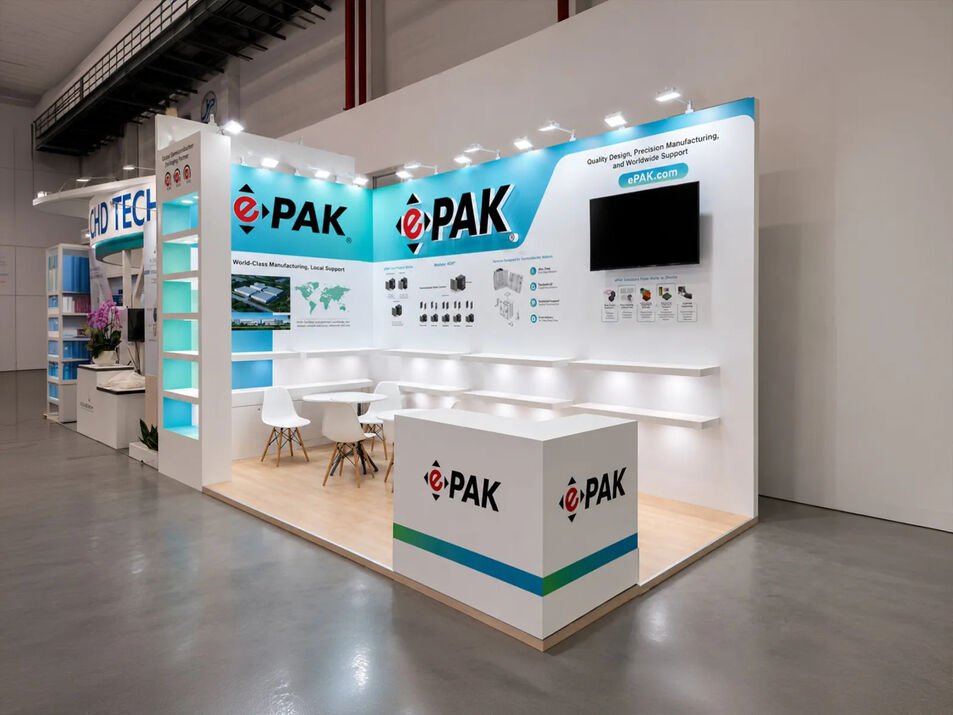
Showing up with a basic display is not enough in Boston. The best booths here share four things: one clear message, an open layout, smart lighting, and one strong interactive moment. They do not try to show everything at once. They grab attention fast.
Brands like Classic Exhibits, Nimlok, and Skyline agree on the basics: know your goals, zone your space, keep the entry clear, and use tech that supports your story.
If you want help from Trade Show Booth Builders in USA, you need to know what works in this city. This trade show marketing guide covers the rules and the ideas for the Boston Convention & Exhibition Center (BCEC) and the Hynes Convention Center. Let’s start with the rules.
Your Boston Convention & Exhibition Center Guide to Venue Rules
Height and Booth Size Limits
Your booth design starts with the venue rules. Planning your Boston exhibit Rentals early means you read these rules early too. GES and the BCEC set strict height limits.
Linear or corner 10×10 booths are usually capped at 8 feet. A 10×20 end-cap booth has the same 8-foot limit. For 20×20 island and peninsula booths, the max is 16 feet. A 20×30 or larger island booth can reach 20 feet, and that includes hanging signs. Always check your show’s exhibitor kit to be sure.
Rigging and Hanging Signs
At the BCEC, you cannot rig cables or attach anything to the ceiling. That also covers electrical ducts, conduits, sprinkler pipes, ventilation equipment, windows, columns, and other building parts. Hanging signs and banners must never block the fire sprinklers.
The Massachusetts Convention Center Authority (MCCA) wants a safe design and rated rigging hardware. You also need approval through MCCA or JCALPRO. Unsafe overhead items get denied.
Fire Safety and Materials
Drapes, signs, banners, and sound-dampening materials must be flame-retardant. The Boston Fire Department and the State Fire Marshal have to approve them. In most cases, your materials need Boston Fire Department certification within six months of the event.
Also, Boston’s fire code bans attaching fabric to a ceiling. You cannot use fabric to cover any part of an exhibit either.
Shipping and Setup
Ask your trade show booth builder in Boston for the exhibitor services manual early. Read it together so you can plan costs and display needs. Send plans for large or multilevel booths well ahead of time.
Order electrical, internet, and rigging through the MCCA portal. File your EAC and insurance papers on time. Ship everything to the advance warehouse before move-in day.
Put every one of these steps on your trade show exhibitor checklist today.
15 Booth Design Ideas for Boston Exhibitors
Now the fun part. Here are 15 ideas.
1. Lead With One Clear Message
Write one short headline that says what your company does and why it matters. Put your logo and company name high on the display. Attendees scan a busy hall in seconds, so a one-line message helps them decide if you are for them.
Save the details for your staff, handheld graphics, or screens.
2. Keep the Entry Wide Open
Do not block the front with tables, counters, product towers, or seated staff. An open door feels friendly and invites people in. Barriers make you harder to approach and slow down foot traffic.
Move reception counters to the side. Keep demo stations visible from the aisle, and leave one clear walk-in path.
3. Go Big With Backlit Graphics
Backlit fabric lightboxes look brighter and sharper than regular printed panels. Their size and glow stop people in the aisle. Pick one big backlit image or message instead of many panels that compete.
Put your detailed product info on smaller graphics nearby.
4. Build a Lighting Plan
Use general light for comfort and accent light for your products. Add colored or moving light to point at your main attraction. Good lighting guides the eye and helps you stand out in a dim hall.
Light your hero product or headline first. Use warmer light in meeting areas, and avoid glare on screens and faces.
5. Zone Your Booth by Visitor Goals
Split your space into reception, demo, meeting, product, and lead-capture zones. Some visitors want a quick demo. Others want a private chat. Zones keep browsing and sales meetings from fighting over the same spot.
In a 20×20 booth, put demos near the aisle, meetings deeper inside, and storage out of sight.
6. Make Your Product the Star
Design the booth around how people really use your product, not just around your logo. Show working products and leave room for staff to demo them. Real, live products give attendees something to test and talk about.
Raise your flagship product, keep it running, and remove extras that pull focus.
7. Schedule Live Demos
Short, repeating demos beat passive displays. Live demos and on-site product assembly show benefits fast and invite questions.
Run a 5 to 10 minute demo every 30 to 60 minutes. Post the schedule on a small sign or screen, and capture leads right after each session.
8. Add One Interactive Activity
Pick one touchscreen, product configurator, quiz, AR or VR experience, or sampling station that fits your main message. Interactive content sticks in memory only when it ties to the buyer’s real decision.
Plan early, because licensing, building, and staffing take time.
9. Tell Your Story on an LED Wall
A big LED wall gives people a place to look and tells your brand story from far away. Motion and size grab attention in crowded halls like the BCEC.
Loop a short video with captions, and skip text-heavy slides. Always put a team member nearby to explain it or offer a live demo.
10. Use Height and Overhead Signs
Towers, tall graphic panels, and hanging signs help people spot your booth from across the hall. On a larger island booth, hang a sign with your name and one category word.
Check the BCEC height and rigging rules first with your trade show booth design company in Boston.
11. Add a Comfortable Meeting Space
A small seating area gives your best leads a place to talk. Comfort keeps visitors longer and sets up real sales talks.
Save the seats for meaningful chats, not casual foot traffic. Put the lounge away from the aisle and add charging stations so people stay.
12. Choose a Modular System
Modular exhibits let you rearrange parts for different booth sizes and venues. Modular design cuts long-term costs and adapts to floor plans in any city.
Ask your partner for reusable walls, counters, graphic skins, and lighting that work for inline and island setups.
13. Guide Visitors Along a Clear Path
Use flooring changes, archways, product placement, and graphics to lead people step by step. A clear path stops crowding and makes sure visitors see your message, your product, and your call to action in order.
Follow a simple flow: attention, demo, conversation, lead capture. Avoid dead ends and crowded corners.
14. Pick Reusable, Sustainable Materials
Fabric graphics, aluminum extrusions, rental parts, and reusable modular frames cut waste and repeat build costs. An aluminum and fabric rental display keeps costs low and still looks professional. Smart choices also shrink shipping volume.
Any good provider of Trade Show Exhibit Rentals In Boston offers reusable frames, replaceable graphics, and local shipping consolidation.
15. Build Lead Capture Into the Visit
Make lead capture part of the booth journey through demo sign-ups, kiosks, badge scans, or a specific follow-up offer. A great-looking booth gets attention, but results depend on capturing and qualifying interest.
Choose one main capture method and keep the form short. Give your team one clear qualifying question to ask.
Common Booth Design Mistakes
Even a great Trade Show Booth Rental In USA can fall flat if you make these errors:
- Cluttered displays: Too many products, graphics, or chairs blur your message.
- Blocked entrances: Front tables and barriers keep people out.
- Unclear messaging: Too much text hides what you do.
- Tech without a purpose: Touchscreens, VR, and LED walls must support your sales story. Otherwise they are expensive distractions.
- Late logistics: Rigging plans, fire certificates, electrical orders, internet, and advance shipping all need early work.
- No lead-capture plan: Without a follow-up process, you cannot measure results.
What to Do for Each Booth Size
10×10 Booths
Keep it simple and easy to read. Use one headline and one hero product or demo. Add directional lighting, minimal furniture, and lead capture at the side or rear. Remember, height is commonly capped at 8 feet.
10×20 Booths
Create a clear entry, a demo zone, and a conversation zone. Add a backlit graphic wall, a clean product display, and a standing demo area. Include a compact meeting counter, and tuck storage at the rear.
20×20 Booths and Larger
Use clear zones, overhead visibility, and a guided path. Hang a sign where the venue allows it. Build a central demo or theater area and a separate meeting lounge. Add several demo stations and keep traffic flowing. Work lead capture into the flow.
Real Booth Ideas That Work
- A healthcare brand used clear branding, LED visuals, a roomy layout, and daily networking to boost engagement.
- A 40×60 space used 15 double-sided demo stations, a theater, a rear archway, and mixed flooring to guide traffic.
- An energy drink company used a 3D LED wall and interactive kiosks to become a main stop on the floor.
- Graphics at high, middle, and low points boost brand recognition for every passerby.
- An aluminum frame with fabric graphics and an open plan let one company show eight partners in one space on budget.
Final Thoughts
Know your audience, choose your attention grabbers with care, keep your message tight, and plan interactive pieces early. Then work with a trade show booth design company in Boston to bring it all to life.