Modern industries require dependable electrical equipment to maintain production efficiency, minimise operational interruptions, and support demanding manufacturing processes. Electric motors are among the most important components in industrial machinery because they convert electrical energy into the mechanical power needed to operate different types of equipment. Among the available motor technologies, three phase AC induction motors have become a preferred choice for numerous industrial applications.
From engineering workshops and manufacturing plants to material handling systems and processing facilities, these motors provide reliable mechanical output for a wide range of operations. Their practical construction, consistent performance, and availability in different configurations make them suitable for businesses with varying power requirements.
Understanding the Importance of Three Phase Induction Motors
Three Phase Induction Motors are designed to operate using a three-phase alternating current supply. They work through electromagnetic induction, where the interaction between the stator’s rotating magnetic field and the rotor produces mechanical torque.
Unlike DC motors, standard induction motors do not require a separate electrical connection to the rotor to generate torque. This operating arrangement contributes to their practical design and makes them suitable for many industrial environments.
Industries use these motors because they can be selected for different load capacities, operating speeds, and installation requirements. When properly matched with machinery, they help maintain smooth equipment operation and support consistent production activities.
Key Components That Determine Motor Performance
Understanding the main components of an induction motor helps industrial buyers evaluate product specifications and make more informed purchasing decisions.
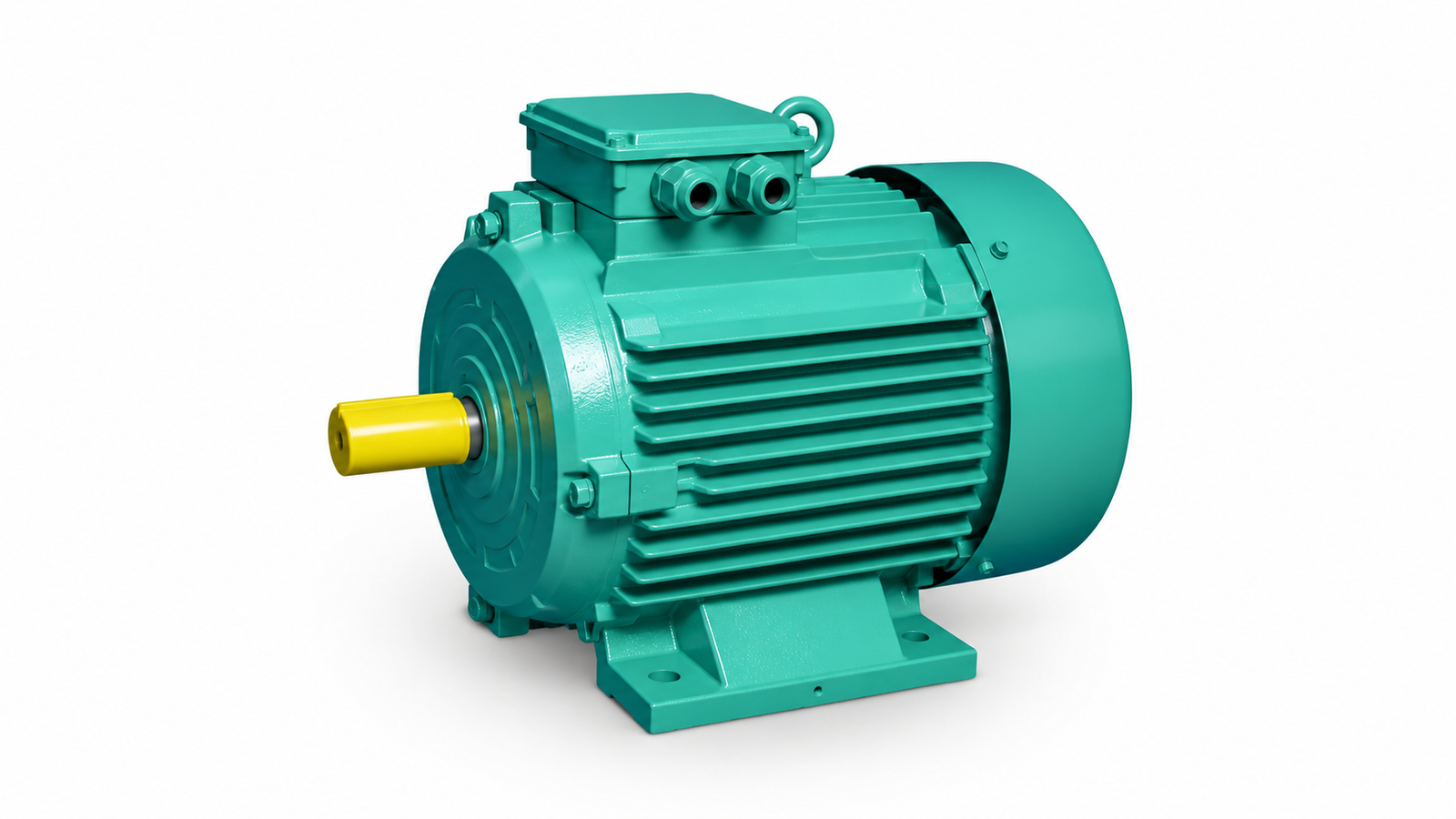
- Stator: The stator is the stationary outer part of the motor. It contains electrical windings that generate the rotating magnetic field when connected to a three-phase power supply.
- Rotor: Positioned inside the stator, the rotor is the rotating component responsible for producing mechanical movement. Depending on the motor design, it may feature a squirrel cage or wound rotor arrangement.
- Motor Shaft: The shaft transfers the mechanical power generated inside the motor to connected machinery, such as pumps, fans, compressors, and conveyors.
- Bearings: Bearings support the rotating shaft and help maintain smooth movement. Correct lubrication and regular inspection are important for their service life.
- Motor Housing: The housing protects internal components and provides structural support. Its construction and enclosure design should suit the intended installation environment.
- Cooling Arrangement: Cooling fans and ventilation passages help manage the heat generated during motor operation. Proper cooling is essential for maintaining reliable performance.
Why Three Phase AC Induction Motors Are Widely Used in Industries
The popularity of three phase AC induction motors comes from their ability to support different industrial operating conditions. Their advantages make them suitable for businesses looking for practical and dependable electric drive solutions.
Consistent Mechanical Output
Industrial equipment often requires continuous mechanical power to maintain production schedules. Correctly sized induction motors provide dependable output when operated within their specified ratings and working conditions.
Suitable for Different Industrial Loads
These motors are available in different power ratings and designs. This allows businesses to select suitable solutions for equipment with varying torque, speed, and load requirements.
Practical Motor Construction
Standard squirrel cage induction motors have a relatively simple rotor arrangement. This reduces the number of electrical components associated with the rotating assembly and supports convenient maintenance.
Compatibility with Industrial Control Systems
Three-phase induction motors can be operated with suitable motor starters, protection devices, and variable frequency drives. A VFD can provide controlled speed operation when the motor and application are appropriately configured.
Long-Term Operational Value
A motor selected according to the actual machinery requirements can contribute to efficient equipment operation. Proper installation, electrical protection, and preventive maintenance further support its service life.
Important Industries That Depend on Three Phase Induction Motors
Three-phase motors are used across multiple sectors where electrical power needs to be converted into controlled mechanical movement.
Manufacturing and Engineering: Industrial machines, fabrication equipment, production lines, and processing machinery use induction motors to perform repetitive mechanical operations.
Agriculture and Irrigation: Water pumping systems and agricultural processing equipment use appropriately rated motors to support different operational requirements.
Food Processing: Conveyors, mixers, grinders, and packaging machinery depend on electric motors to operate production equipment.
Chemical and Pharmaceutical Industries: Pumps, ventilation systems, and processing equipment use motors selected according to electrical, mechanical, and environmental requirements.
Construction and Infrastructure: Industrial compressors, material handling equipment, and machinery used in construction facilities rely on suitable motor-driven systems.
Warehousing and Logistics: Conveyor belts, lifting systems, and material movement equipment use electric motors to support warehouse operations.
Factors to Consider Before Purchasing Industrial Induction Motors
Selecting the right motor is an important purchasing decision for industrial businesses. A motor that does not match the machinery requirements may result in unnecessary energy consumption, overheating, reduced performance, or premature equipment wear.
Industrial procurement managers should evaluate the following factors before placing an order:
- Motor Capacity: Check the required horsepower or kilowatt rating according to the equipment’s mechanical load.
- Rated Speed: Confirm the RPM required by the connected machinery and consider the motor’s rated operating speed.
- Supply Requirements: Verify voltage, frequency, and three-phase electrical compatibility.
- Torque Characteristics: Evaluate starting torque and load requirements, particularly for heavy-duty applications.
- Mounting Configuration: Choose an appropriate foot-mounted or flange-mounted arrangement according to the equipment design.
- Insulation and Protection: Review insulation class and IP protection rating based on the operating environment.
- Operating Duty: Determine whether the motor will operate continuously or under intermittent working conditions.
- Maintenance Requirements: Consider accessibility, bearing arrangements, ventilation, and the availability of replacement components.
These specifications should be evaluated together rather than selecting a motor based on price alone.
Finding Dependable Three Phase Induction Motors Manufacturers in India
Industrial buyers searching for Three Phase Induction Motors Manufacturers in India should consider product suitability, technical specifications, manufacturing consistency, and supplier support.
A dependable manufacturer or supplier should be able to provide relevant product information, explain available motor configurations, and help buyers identify suitable options for their machinery.
For bulk purchasing, wholesalers, machinery manufacturers, and industrial procurement teams should also evaluate supply capabilities, product availability, delivery schedules, and commercial terms.
Comparing motor specifications and understanding the actual application requirements before purchasing can help businesses avoid equipment mismatches and improve long-term purchasing decisions.
Explore Industrial Motor Solutions from Altra Motors
Choosing a suitable industrial motor supplier is an important step for businesses that depend on reliable machinery and production equipment.
Altra Motors provides industrial motor solutions for different industrial and commercial requirements. Businesses looking for suitable motor options can explore the available range of Three Phase Induction Motors.
Industrial buyers can review the product information and discuss their application requirements, including motor capacity, operating speed, mounting arrangement, and electrical specifications, before finalising their purchase.
Working with an experienced motor supplier helps businesses identify products that are better aligned with their machinery and operational requirements.
Conclusion
Three phase AC Induction Motors continue to play an essential role in industrial power transmission because of their practical construction, versatile applications, and dependable operating characteristics. They support manufacturing, agriculture, food processing, engineering, infrastructure, and material handling operations.
However, achieving reliable performance depends on selecting a motor with the correct power rating, speed, torque characteristics, mounting arrangement, and protection requirements. Industrial businesses that evaluate these factors carefully can make better purchasing decisions and support the productivity of their equipment.
For companies exploring industrial motor solutions, Altra Motors offers an opportunity to review available three phase induction motor options for different business requirements.