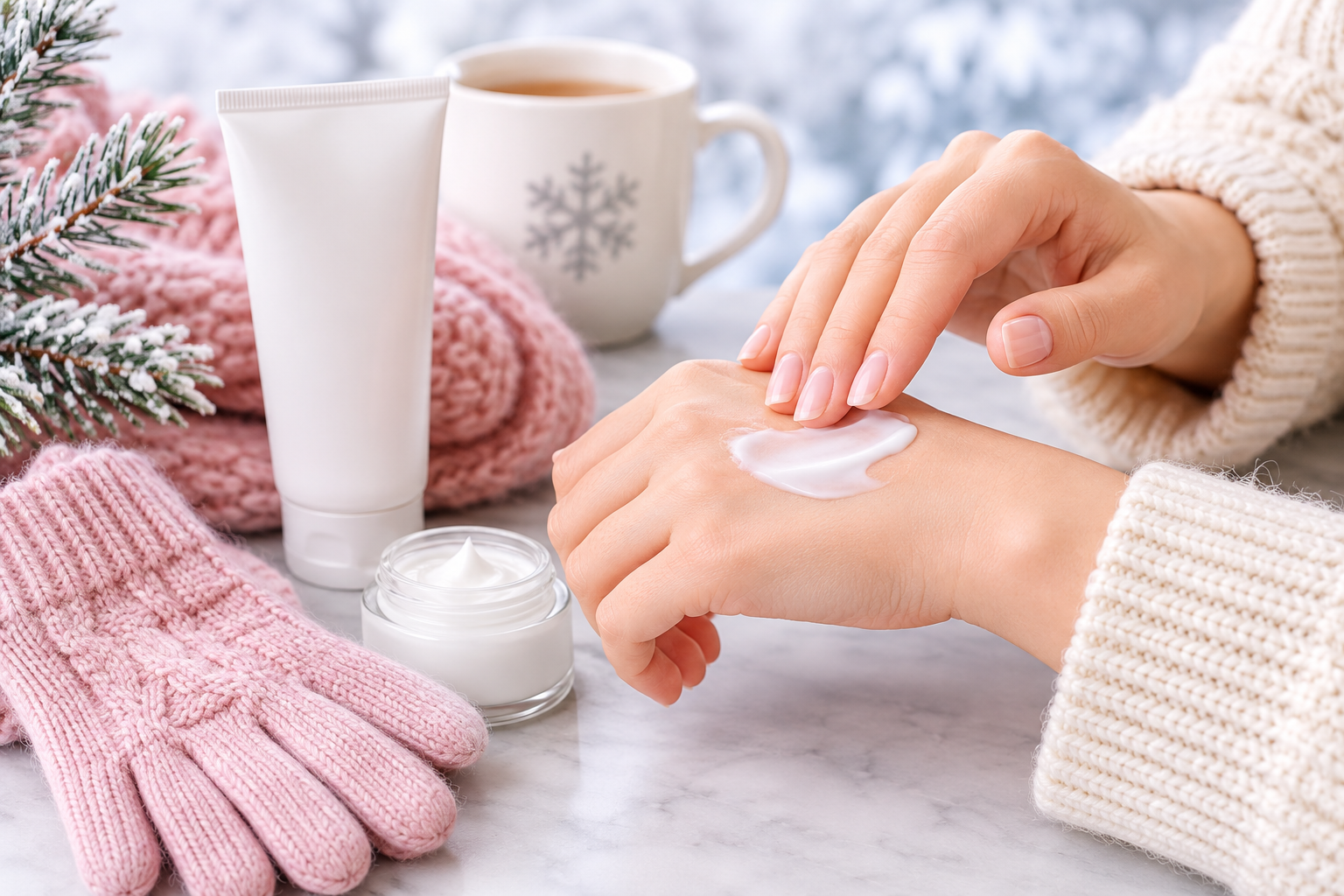
Our hands and feet work hard throughout the day, yet they are often the most overlooked parts of our skincare routine. From frequent handwashing and household chores to walking, standing, and wearing shoes, they experience daily stress that can leave the skin feeling dry, rough, or uncomfortable. Giving them a little attention before bedtime can make a noticeable difference in how they look and feel.
A nighttime hand and foot care routine does not need to involve expensive treatments or a long list of products. With a few consistent steps, you can help replenish moisture, improve skin softness, and maintain healthier-looking hands and feet. Nighttime is particularly convenient because your skin can benefit from moisturizing products while you rest, without frequent washing or exposure to everyday activities.
Here is how to create a simple, effective routine that fits easily into your evening schedule.
1. Start with Gentle Cleansing
The first step in any effective skincare routine is removing dirt, sweat, and everyday impurities. Hands come into contact with numerous surfaces throughout the day, while feet collect sweat and debris inside socks and shoes. Cleaning both areas before applying skincare products helps create a fresh surface for moisturizers.
Wash your hands with lukewarm water and a gentle cleanser. Avoid very hot water and harsh soaps, as these can strip away natural oils and contribute to dryness. For your feet, pay attention to the soles, heels, and spaces between the toes. Rinse thoroughly and pat your skin dry with a clean, soft towel.
Make sure your feet are completely dry between the toes before applying moisturizer. Excess moisture in these areas can encourage fungal growth, so avoid leaving them damp overnight.
2. Exfoliate to Remove Rough and Dry Skin
Dead skin cells can accumulate on the hands and feet, making their surfaces feel uneven and rough. Gentle exfoliation helps remove this buildup and leaves the skin feeling smoother. However, exfoliation should be occasional rather than an aggressive daily habit.
For your hands, choose a mild exfoliating product that is suitable for delicate skin. Massage it gently using small circular movements, then rinse thoroughly. For feet, focus on thicker areas such as the heels and balls of the feet, where dry skin commonly develops.
A gentle foot file or pumice stone can help reduce rough patches when used carefully on damp skin. Avoid cutting or aggressively scraping hardened skin, as this can cause irritation or injury.
Exfoliating once or twice a week is generally sufficient for most people. If your skin is cracked, irritated, or particularly sensitive, skip exfoliation until it has recovered.
3. Apply Nourishing Moisturizers to Hands and Feet
Moisturizing is the most important part of a nighttime hand and foot care routine. After cleansing and any occasional exfoliation, your skin needs products that help restore hydration and reduce moisture loss.
For hands, look for creams containing ingredients such as glycerin, ceramides, shea butter, or hyaluronic acid. These ingredients help attract moisture, support the skin barrier, and improve softness. Keep a nourishing hand cream beside your bed so you can apply it every night.
When choosing daily hand care products, consider your skin type and daily activities. Lightweight creams may suit normal skin, while richer formulas can be more comfortable for hands that frequently become dry from washing or cleaning.
Feet generally need thicker moisturizers because the skin on the soles is naturally tougher and has fewer oil glands. Look for foot creams containing glycerin, shea butter, or urea. Urea-based formulas can be especially useful for rough, dry areas because they help soften thickened skin while attracting moisture.
To find moisturizing foot care essentials, choose products that provide lasting hydration without leaving your feet uncomfortably greasy.
4. Give Extra Attention to Heels, Cuticles, and Dry Areas
Some parts of the hands and feet need more care than others. Heels are particularly prone to dryness because they experience regular pressure and friction. Similarly, cuticles can become rough when exposed to frequent handwashing, detergents, and dry weather.
After applying your regular moisturizer, massage a slightly thicker layer of foot cream into your heels. For especially dry areas, a small amount of petroleum jelly or an occlusive balm can help seal in moisture.
For your hands, apply cuticle oil around the base of each nail. This helps condition dry cuticles and keeps the surrounding skin looking neat and healthy. Avoid cutting cuticles, as they provide a protective barrier against bacteria and irritation.
You can also apply an extra layer of hand cream to your knuckles, fingertips, and other areas that feel particularly dry. Gentle massage encourages even product distribution and makes your routine feel relaxing.
5. Wear Cotton Gloves and Socks for Overnight Moisture Care
One simple way to make your nighttime routine more effective is to use breathable cotton gloves and socks. After applying your hand cream, put on a clean pair of cotton gloves. For your feet, apply moisturizer to the heels and soles before wearing comfortable cotton socks.
These soft coverings help reduce product transfer onto bedding and keep moisturizing products in contact with the skin for longer. They also provide a comfortable way to protect your hands and feet while you sleep.
Choose breathable materials rather than tight or non-breathable coverings. Avoid wearing socks over wet feet or trapping moisture between your toes. If you experience excessive sweating or have a skin condition, adjust this step to suit your needs.
You do not have to use gloves and socks every night. Even a few nights each week can make your routine feel more nourishing, particularly when your skin is noticeably dry.
6. Stay Consistent and Adjust Your Routine to Your Skin’s Needs
The secret to maintaining soft hands and feet is consistency. A single application of moisturizer may provide temporary comfort, but regular care helps maintain hydration and protect the skin barrier over time.
Try to follow the same basic steps each evening: cleanse gently, exfoliate occasionally, moisturize thoroughly, and give extra attention to rough areas. Keep your products somewhere convenient so the routine becomes a natural part of getting ready for bed.
Your needs may also change with the seasons. Cold weather and indoor heating can increase dryness, while warmer temperatures may lead to more sweating. Adjust your product textures and application habits accordingly.
Remember that more products do not necessarily mean better results. A gentle cleanser, nourishing hand cream, and suitable foot moisturizer are often enough to build a practical routine. If you notice persistent cracking, itching, redness, or painful skin changes, consider seeking advice from a healthcare professional rather than relying only on cosmetic products.
Make Nighttime Hand and Foot Care a Daily Habit
Taking care of your hands and feet before bed is a simple investment in everyday comfort and healthy-looking skin. Gentle cleansing, occasional exfoliation, targeted moisturizing, and overnight protection can help reduce roughness and maintain softness without making skincare feel complicated.
You can also explore nighttime hand and foot care to discover suitable products that complement your routine and address your individual skin needs. Start with a few essential steps, stay consistent, and give your skin time to respond.
With just a little attention each evening, your hands and feet can feel more comfortable, nourished, and refreshed when you wake up the next morning.