
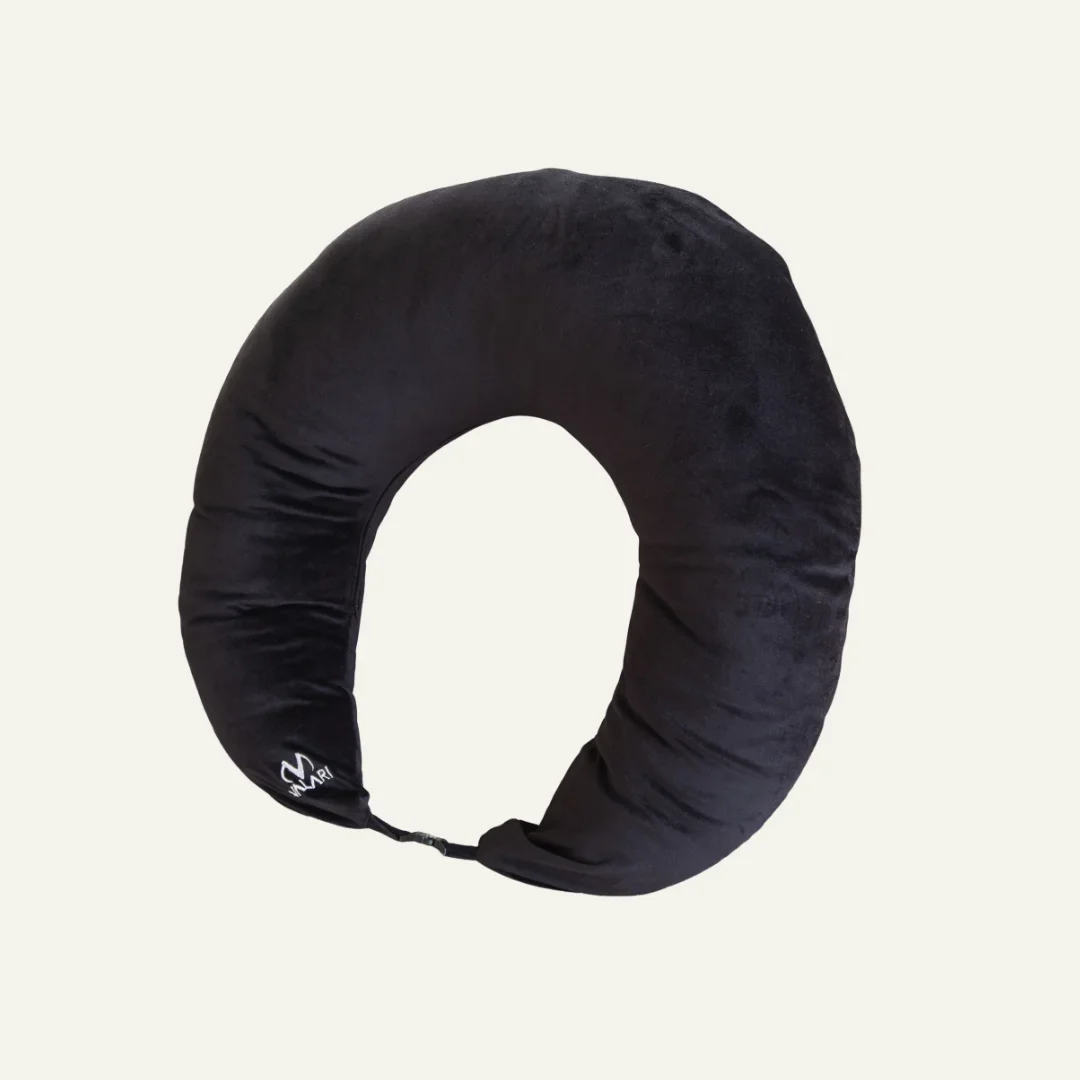
Pregnancy is a special journey, but as the baby grows, many women experience difficulty finding a comfortable sleeping position. A pregnancy pillow can provide extra support to the belly, back, hips, and legs, helping expecting mothers rest more comfortably.
What Is a Pregnancy Pillow?
A pregnancy pillow is a specially designed cushion that provides support to the changing shape of a pregnant woman’s body. Unlike regular pillows, maternity pillows are available in different shapes and sizes to accommodate the needs of expecting mothers.
These pillows are designed to support areas such as the growing belly, lower back, knees, hips, and neck. Depending on the design, some pregnancy pillows provide support to specific body parts, while others offer full-body cushioning.
Pregnancy pillows are commonly available in C-shaped, U-shaped, J-shaped, and wedge designs. Each type offers different levels of support, allowing mothers to choose one according to their sleeping habits, body shape, available bed space, and personal comfort preferences.
Benefits of Using a Pregnancy Pillow
Using a pregnancy support pillow can help make resting and sleeping more comfortable during different stages of pregnancy. Here are some of its important benefits.
1. Improves Sleeping Comfort
As pregnancy progresses, finding a comfortable sleeping position can become increasingly difficult. The growing belly and changing body weight may make it uncomfortable to sleep in familiar positions.
A pregnancy pillow provides additional cushioning around the body, helping expecting mothers find a comfortable side-sleeping position. It can also make it easier to support the legs and belly while resting.
Better sleeping comfort can contribute to a more relaxing nighttime routine and help mothers get the rest they need.
2. Provides Back and Hip Support
Back and hip discomfort are common experiences during pregnancy. Changes in posture, increased body weight, and hormonal changes can contribute to additional pressure on these areas.
A maternity pillow can provide support to the lower back and hips by cushioning the body while sleeping. Placing a pillow between the knees may also help maintain a more comfortable alignment of the hips and legs.
The right pillow can help reduce pressure points and make resting more comfortable.
3. Supports the Growing Belly
As the baby develops, the growing belly may create additional discomfort when lying down.
A pregnancy pillow can be positioned under or alongside the belly to provide gentle support. This additional cushioning may help reduce the feeling of pulling or pressure around the abdominal area while sleeping on the side.
Belly support is particularly useful for women who find it difficult to maintain a comfortable sleeping position during the later stages of pregnancy.
4. Helps Reduce Pressure on the Body
Pregnancy can place additional pressure on different areas of the body, including the shoulders, hips, knees, and lower back.
A full-body pregnancy pillow distributes support across multiple areas, helping mothers find a more relaxed sleeping position.
For example, placing the pillow between the knees can provide cushioning, while supporting the back and belly can help improve overall sleeping comfort.
5. Supports Side Sleeping
Many healthcare professionals recommend side sleeping during later pregnancy, particularly after 28 weeks. A pregnancy pillow can make side sleeping more comfortable by supporting the belly, back, and legs.
It can help prevent mothers from feeling uncomfortable while maintaining a side-sleeping position. However, mothers should follow their healthcare professional’s advice regarding safe sleeping positions during pregnancy.
6. Useful After Pregnancy
Pregnancy pillows are not limited to use during pregnancy. Many designs can also be useful after delivery.
They can provide additional support while breastfeeding, bottle-feeding, resting, or sitting comfortably. Some mothers also use them as cushioning while recovering from childbirth.
However, pregnancy pillows should not be used as unsupervised sleeping surfaces for newborn babies.
Types of Pregnancy Pillows
Pregnancy pillows are available in different shapes, and each design offers specific advantages.
1. C-Shaped Pregnancy Pillow
<escape>C-shaped pregnancy pillows</escape> wrap around one side of the body and provide support to the head, back, belly, and legs.
They are suitable for mothers who want multiple support points without using a very large pillow. This design can be particularly useful for women who frequently change their sleeping positions.
2. U-Shaped Pregnancy Pillow
<escape>U-shaped pregnancy pillows</escape> provide full-body support from both sides. They generally support the head, back, belly, and legs simultaneously.
This design is ideal for mothers who prefer maximum cushioning and want support on both sides of their body.
However, U-shaped pillows usually require more bed space.
3. Wedge Pregnancy Pillow
A wedge pregnancy pillow is compact, lightweight, and easy to position.
It can be placed under the belly, behind the back, or between the legs to provide targeted support.
This is a good option for women who do not need a full-body pillow and prefer a smaller, more affordable design.
4. J-Shaped Pregnancy Pillow
J-shaped pregnancy pillows provide support similar to C-shaped pillows but have a more compact design.
They can support the head, neck, back, or legs depending on how they are positioned.
This type is suitable for mothers who want additional comfort without taking up too much space on the bed.
When Should You Start Using a Pregnancy Pillow?
There is no fixed time when every expecting mother needs to start using a pregnancy pillow. The right time depends on individual comfort and physical changes during pregnancy.
Many women begin using a maternity pillow during the second trimester, when the belly becomes more noticeable and regular sleeping positions may become less comfortable.
Some women may find it useful earlier, while others may not need one until the third trimester.
The important thing is to choose a pillow whenever additional body support becomes helpful. If you experience persistent pain or significant sleeping difficulties, consult your healthcare professional.
How to Choose the Best Pregnancy Pillow
Choosing the best pregnancy pillow depends on your sleeping habits, body shape, comfort preferences, and available space.
Here are some important factors to consider before purchasing one:
1. Size: Choose a pillow that fits comfortably on your bed. Full-body pillows provide more coverage but may take up considerable space.
2. Material: Look for soft, breathable, and supportive filling. The material should provide cushioning without becoming uncomfortable during extended use.
3. Pillow Cover: A removable and washable cover makes cleaning and maintenance easier. Breathable fabrics can also improve comfort, particularly during warmer weather.
4. Shape: Select a C-shaped, U-shaped, J-shaped, or wedge pillow according to your preferred sleeping position and support requirements.
5. Firmness: A good pregnancy pillow should provide sufficient support without feeling excessively hard or too soft.
6. Durability: Check the stitching, filling quality, and overall construction to ensure the pillow can maintain its shape with regular use.
7. Budget: Compare different designs and features before purchasing. A higher price does not always mean better comfort.
Final Thoughts
A pregnancy pillow can be a valuable addition to an expecting mother’s pregnancy journey. As the body changes and the baby grows, additional support for the belly, back, hips, and legs can make resting and sleeping more comfortable.
From compact wedge pillows to full-body U-shaped designs, there are several options available to suit different sleeping habits and comfort preferences.
The best pregnancy pillow is the one that provides the right amount of support, fits your bed, and feels comfortable for your body.
Before purchasing, consider the pillow’s shape, size, material, firmness, and maintenance requirements. With the right choice, a maternity pillow can help create a more comfortable resting environment during pregnancy and may continue to be useful after delivery.