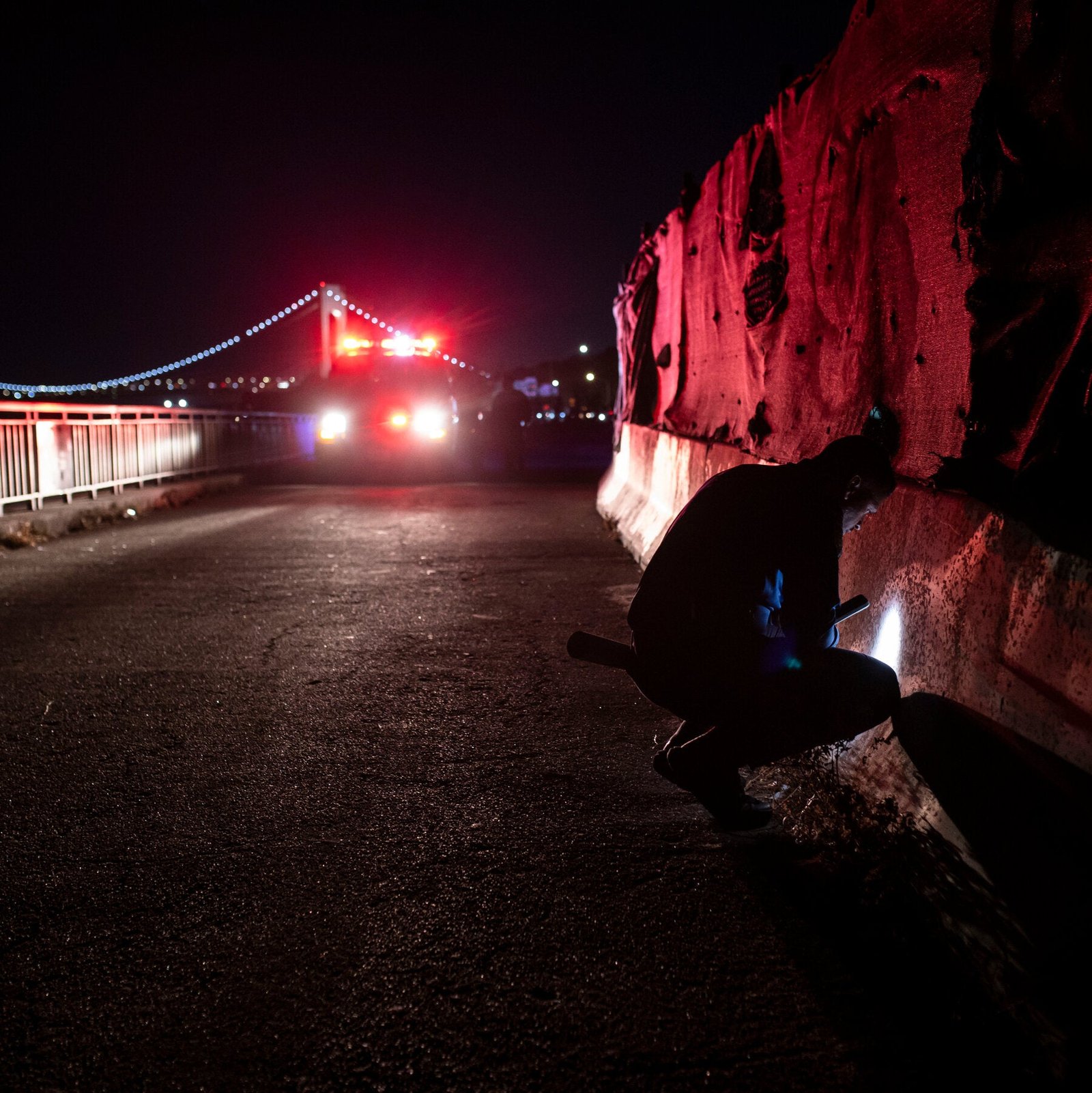
A disturbing incident along the Brooklyn waterfront has raised serious concerns regarding urban runner safety and public security in isolated city spaces. According to initial reports, Katie Suarez, a regular jogger, was attacked during a run along a desolate stretch of the Brooklyn shoreline. The incident came to light after her parents grew alarmed when she stopped answering her phone, leading them to search for her directly.
While law enforcement and investigators work to piece together the events surrounding that evening, the case highlights the vulnerabilities faced by solo runners in quiet urban corridors, as well as the critical role rapid family response plays when routine communications abruptly cease.
What Confirmed Reports Reveal About the Incident
Based on reporting regarding the timeline, Katie Suarez was accustomed to running along the Brooklyn waterfront—a route known for both scenic views of the skyline and stretches that can become empty during off-peak hours. On Friday, after repeated attempts to contact her went unanswered, her parents took the initiative to search the area themselves.
The details surrounding the event point to several key confirmed facts:
- Routine Route: Suarez was familiar with the area, using the Brooklyn waterfront stretch as part of her regular exercise routine.
- Loss of Contact: The primary trigger for the emergency search was her sudden failure to return phone calls on Friday.
- Parental Intervention: Distressed by the lack of communication, her parents personally went looking for her along her typical running path.
- Reported Attack: Initial news coverage and public reports indicate that an attack occurred while she was jogging along an isolated section of the waterfront corridor.
Understanding Brooklyn’s Waterfront Stretches
The Brooklyn waterfront spans several miles, encompassing vibrant commercial piers, active public parks, and quieter, semi-industrial pockets. Depending on the specific section and time of day, these paths can transition quickly from heavily populated pedestrian plazas to desolate stretches with minimal foot traffic and reduced visibility.
For regular runners, these coastal routes offer long uninterrupted paths away from heavy vehicular traffic. However, the secluded nature of certain segments poses distinct challenges:
1. Reduced Foot Traffic and Isolation
While popular sections near major parks draw steady crowds, surrounding stretches—especially near industrial facilities or undeveloped lots—can become sparsely populated once daylight fades or during off-peak hours.
2. Variable Lighting and Infrastructure
Urban waterfront developments vary significantly in terms of lighting and security infrastructure. While newly renovated park sections feature extensive lighting and emergency call boxes, older or less developed adjacent blocks may lack adequate illumination.
3. Limited Sightlines and Escape Routes
Waterfront paths are often bordered by physical barriers such as fences, water bodies, or warehouses. In emergency situations, these physical boundaries can restrict a runner’s choices for detours or swift exits toward populated avenues.
How Investigations Retrace Steps in Runner Safety Cases
When an individual fails to return from a routine jog and an assault or disappearance is reported, investigative procedures follow a systematic approach to reconstruct the timeline and identify potential witnesses.
Establishing the Last Known Location
The initial phase involves establishing exactly when and where the missing individual was last seen or contacted. In cases involving digital connectivity, fitness tracking applications, cellular tower pings, and smart wearable devices often provide precise geographical and temporal markers.
Mapping Route Patterns
Because regular joggers tend to follow consistent routes, investigators cross-reference typical running habits with family statements. Understanding standard running speeds and average durations helps narrow down the timeframe during which an incident may have occurred.
Reviewing Surveillance and Community Input
In urban environments like Brooklyn, private security cameras, public safety monitors, and transit surveillance cameras serve as primary tools for establishing a timeline. Detectives review footage to determine who was present along the path before, during, and after the estimated time of the event.
Crucial Safety Considerations for Urban Solo Runners
Events along desolate urban routes highlight the importance of proactive safety measures for individuals who exercise alone. While the responsibility for safety rests entirely on maintaining secure public spaces and apprehending offenders, urban planners and safety experts advocate for practical strategies to minimize risk.
- Share Live Location Tracking: Utilizing built-in mobile phone features or dedicated safety apps allows trusted family members or friends to monitor progress in real time.
- Vary Running Times and Routes: Establishing predictable patterns along isolated stretches can increase vulnerability. Alternating routes and times enhances personal security.
- Prioritize High-Visibility Corridors: Sticking to well-lit, heavily trafficked avenues during early morning or evening hours reduces isolation.
- Maintain Situational Awareness: Avoiding noise-canceling headphones or keeping audio at low volumes ensures runners remain fully aware of their immediate surroundings.
- Establish Check-In Protocols: Setting a clear expectation to check in immediately upon completing a run ensures family members are alerted quickly if an unexpected delay occurs.
Distinguishing Confirmed Information from Ongoing Investigations
In news coverage following a high-profile incident along city running paths, distinguishing confirmed facts from preliminary reports is essential for accurate public awareness. In the case of Katie Suarez, verified information centers on her presence along the desolate Brooklyn waterfront route, the breakdown in communication that led her parents to search for her on Friday, and the subsequent reports of an attack.
As official investigations proceed, law enforcement authorities typically issue formal updates regarding suspect descriptions, forensic findings, and enhanced safety patrols along the affected waterfront sectors. Community members and local runners are encouraged to stay informed through official statements while remaining vigilant during solitary outdoor activities.