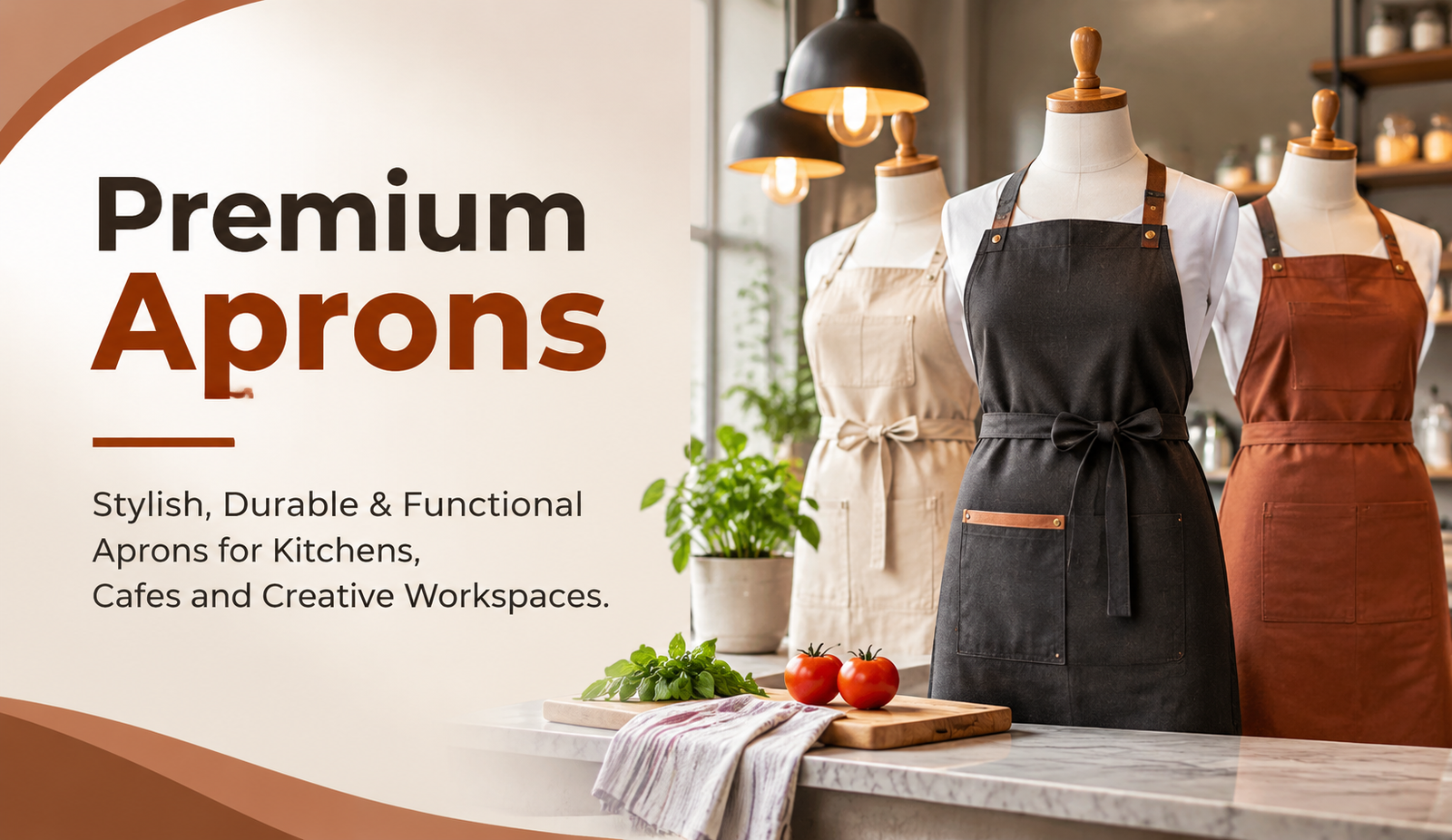
Aprons have moved beyond traditional kitchen use. Today, we see them in independent coffee shops, restaurants, creative studios, home workshops, gardening spaces, and even everyday fashion. Business owners increasingly recognize that workwear needs to do more than protect clothing. It should also support comfort, reflect a brand’s personality, and suit the nature of the work. This growing interest has encouraged businesses to explore different Aprons that combine practical features with contemporary designs.
From our perspective as a marketing and printing service provider, this shift reflects a broader change in how businesses approach their visual identity. Customers notice small details, including staff uniforms, product presentation, and the overall atmosphere of a business. A thoughtfully selected apron can contribute to that experience while helping employees handle their daily responsibilities comfortably.
Why Aprons Are Becoming a Part of Modern Lifestyle Trends
Modern lifestyles have changed how people approach cooking, working, hobbies, and personal presentation. Many activities now combine practical needs with personal expression. Aprons fit naturally into this shift because they offer protection, convenience, and opportunities for individual style.
We see this particularly in businesses that interact directly with customers. A café employee wearing a well-designed apron creates a different impression from someone wearing an ordinary uniform without much consideration for appearance. The same applies to bakers, artists, baristas, and other professionals who work with their hands.
The Growing Connection Between Functionality and Style
People no longer choose workwear based on practicality alone. They also consider fabric texture, colour, fit, pockets, adjustable straps, and overall appearance. An apron with a comfortable fit and useful storage can make everyday tasks easier without compromising personal style.
For businesses, this combination matters because employees spend several hours wearing their uniforms. A poorly fitted apron can become uncomfortable during long shifts, while an attractive but impractical design may fail to meet everyday workplace requirements.
A Shift Towards Practical Everyday Clothing
The popularity of home cooking, baking, gardening, and DIY activities has encouraged more people to invest in useful everyday clothing. Aprons help protect regular outfits from food stains, dust, paint, and other materials.
This trend also reflects a growing appreciation for products that serve a clear purpose. Instead of purchasing clothing for appearance alone, consumers increasingly look for items that support their daily routines.
How Aprons Help Businesses Build a Stronger Brand Identity
A business communicates its identity through more than its logo or advertising. Customers also notice the environment, employee presentation, packaging, and small visual details that create a consistent experience.
For restaurants, cafés, bakeries, salons, and retail businesses, staff uniforms contribute to that impression. Aprons offer a practical way to introduce brand colours, maintain a coordinated appearance, and create a recognizable workplace style.
Creating a Consistent Look Across Teams
Imagine visiting a coffee shop where every employee wears a different style of clothing. Even if the coffee tastes excellent, the overall environment may feel less organized. Coordinated uniforms can help create a more professional and welcoming atmosphere.
Businesses do not necessarily need expensive uniforms to achieve this result. They can begin with a consistent apron design, a suitable colour palette, and a style that matches their workplace.
For example, a bakery might prefer warm beige or natural brown aprons, while a modern coffee shop may choose charcoal, black, or olive green. The right choice depends on the brand’s personality and working environment.
Why Custom Aprons Matter for Brand Recognition
Custom designs allow businesses to incorporate logos, brand colours, and other visual elements into everyday workwear. However, good branding requires restraint. A large logo does not automatically create a better design.
We recommend considering logo placement, embroidery quality, colour contrast, and fabric texture before finalizing an order. A small embroidered logo on the chest may look more professional than oversized printing that dominates the entire apron.
Businesses should also check how their chosen branding method performs after repeated washing. A design that looks excellent on the first day but quickly fades can create unnecessary replacement costs.
The Growing Popularity of Aprons Across Different Industries
Aprons now serve professionals across several industries. Their popularity reflects the different ways people work, interact with customers, and manage everyday responsibilities.
Restaurants, Cafés, and Hospitality Businesses
Hospitality businesses remain among the most familiar users of aprons. Restaurant employees, chefs, servers, and kitchen assistants regularly handle food, beverages, cleaning materials, and equipment.
A suitable apron helps protect clothing while offering practical storage for frequently used items. Restaurants should consider fabric durability, stain resistance, ease of cleaning, and comfort before selecting a particular design.
Cafés also benefit from matching apron styles across their teams. However, businesses should consider individual job responsibilities rather than choosing one design for every employee. Our guide on different apron designs for baristas and bartenders explains why different hospitality roles require different practical features.
Home Bakers and Cooking Enthusiasts
Home baking has encouraged more people to explore professional-style kitchen accessories. From preparing bread to decorating cakes, cooking often involves ingredients that can stain clothing.
An apron provides a simple protective layer during these activities. Adjustable neck straps, spacious pockets, and washable fabrics can make a noticeable difference during longer cooking sessions.
Many home cooks also enjoy choosing colours and designs that complement their kitchen interiors. This makes aprons both useful kitchen accessories and personal lifestyle products.
Artists, Designers, and Creative Professionals
Creative work often involves materials such as paint, clay, ink, adhesives, and wood dust. Artists and designers need clothing that supports movement while protecting their everyday outfits.
Canvas and denim aprons appeal to many creative professionals because they offer a practical combination of durability and storage. Multiple pockets can hold brushes, pencils, small tools, and other frequently used supplies.
For these users, apron design should reflect the actual activity. A pottery artist may need a different length and material from a graphic artist who mainly works with pens, markers, and drawing tools.
Gardening and DIY Activities
Gardening involves soil, water, fertilizers, and tools that can quickly create a mess. A comfortable apron can help gardeners keep small equipment within reach while protecting their clothing.
DIY enthusiasts also use aprons during painting, woodworking, repairs, and craft projects. Strong stitching and suitable pocket arrangements matter more in these environments than decorative details.
Choosing the Right Apron Material for Comfort and Durability
Material selection plays an important role in how an apron performs. A design may look attractive, but the wrong fabric can create problems during daily use.
We encourage businesses and individual buyers to consider their working conditions before choosing a material. Frequency of use, washing requirements, exposure to heat, and the type of work all influence the right decision.
Cotton Aprons for Everyday Comfort
Cotton offers a soft feel and good breathability, making it a popular option for kitchens, cafés, bakeries, and home use.
However, cotton can absorb liquids and stains quickly. Businesses should consider fabric weight, weave, and cleaning requirements before selecting cotton aprons for demanding environments.
Polyester and Cotton-Blend Aprons
Polyester and cotton blends offer a practical option for workplaces that need regular washing and consistent performance. These fabrics can provide a balance between comfort, durability, and maintenance.
Different blends offer different characteristics, so businesses should check the manufacturer’s specifications rather than assuming every polyester blend performs in the same way.
Denim and Canvas Aprons for Heavy-Duty Work
Denim and canvas suit many creative and practical applications because their heavier construction can handle regular wear.
These materials work well for woodworking, gardening, workshops, and certain hospitality environments. However, their weight may cause discomfort in hot workplaces or during long shifts.
The best material always depends on the job. A lightweight cotton apron may suit a home baker, while a workshop professional may prefer a heavier canvas design.
How Modern Apron Designs Improve Workplace Comfort
Employees often spend most of their working day in uniforms. Small design problems can become frustrating when people repeat the same movements for several hours.
Businesses should therefore treat comfort as an important part of uniform selection rather than an afterthought.
Adjustable Straps and Better Fit
Adjustable neck straps and waist ties help employees find a comfortable fit. This feature becomes particularly useful when a business employs people with different body types.
A properly fitted apron should allow employees to bend, reach, walk, and work without constantly adjusting their clothing.
Practical Pockets and Storage
Pockets offer convenience when employees need to carry small tools or accessories. Baristas may need space for pens and order pads, while gardeners may require pockets for gloves and small tools.
However, adding too many pockets can increase weight and make an apron unnecessarily complicated. Businesses should select pocket arrangements according to actual workplace needs.
Easy-Care Fabrics for Busy Workplaces
Uniform maintenance creates another challenge for businesses. Employees in hospitality and food preparation environments often need to wash their aprons frequently.
Before choosing a design, managers should check washing instructions, colour retention, shrinkage, and drying requirements. A practical uniform should fit naturally into the workplace’s existing laundry routine.
Why Personalization Is Influencing Modern Apron Choices
Personalization has become an important part of modern consumer and business preferences. People enjoy products that reflect their interests, while businesses look for practical ways to make their identity recognizable.
Aprons offer several opportunities for personalization without requiring complicated designs.
Embroidery and Printed Branding
Embroidery can create a professional finish for business logos and simple designs. It often suits hospitality uniforms where businesses want a neat, consistent appearance.
Printed branding offers more flexibility for detailed artwork and certain colour combinations. However, the right method depends on the fabric, design complexity, expected washing frequency, and production requirements.
We recommend checking a sample before ordering a large quantity. This helps businesses evaluate logo placement, colour accuracy, stitching, and overall presentation.
Personalized Aprons as Gifts
Aprons also appeal to people searching for practical gifts. Home cooks, baking enthusiasts, gardening lovers, and creative professionals may appreciate a design that reflects their interests.
Names, short messages, and simple illustrations can add a personal touch. The most successful designs usually balance personalization with everyday usability.
Common Mistakes Businesses Should Avoid When Buying Aprons
Choosing workwear without understanding daily requirements can create unnecessary expenses. Businesses sometimes focus heavily on appearance and overlook the details that determine long-term usability.
Here are several mistakes worth avoiding.
Choosing Appearance Over Practicality
A stylish apron may attract attention, but it should also support the employee’s actual responsibilities. A long design may not suit a fast-moving kitchen, while a short apron may offer insufficient coverage for certain tasks.
Managers should identify the daily activities of each employee before selecting a uniform.
Ignoring Fabric Quality
Low-cost materials can appear attractive during purchasing, but frequent washing and heavy use may expose weaknesses.
Check fabric weight, stitching, seams, strap construction, and washing instructions. If possible, test a sample through several normal working shifts before placing a bulk order.
Ordering Without Checking Sizes
One standard size does not always suit every employee. Poor fit can affect comfort, movement, and overall presentation.
Businesses should review available dimensions and request samples when ordering for larger teams. They should also consider adjustable designs that accommodate different body types.
Overcomplicating the Branding
Too many colours, oversized logos, and unnecessary decorative elements can make uniforms look inconsistent.
A simple design often creates a more professional appearance. Start with the brand’s main colour, choose a suitable logo position, and keep additional design elements limited.
What to Consider Before Ordering Aprons in Bulk
Bulk purchasing requires more planning than selecting a few individual items. Businesses need to balance quality, quantity, employee requirements, and long-term maintenance costs.
Before confirming an order, consider these practical points:
- Workplace requirements: Identify the activities employees perform and the level of protection they need.
- Fabric selection: Choose materials that match the working environment and washing frequency.
- Sizing: Review measurements and available adjustment features.
- Branding: Confirm logo dimensions, placement, embroidery or printing methods, and colour consistency.
- Sample approval: Examine a physical sample before committing to a larger quantity.
- Replacement planning: Consider how easily the business can reorder matching designs when employees join or existing uniforms wear out.
A little preparation can help prevent common purchasing problems. It also gives managers a clearer understanding of the actual cost of maintaining staff uniforms over time.
The Future of Aprons in Modern Workwear and Lifestyle Fashion
The growing interest in functional clothing suggests that aprons will continue to serve both professional and personal purposes. Businesses want uniforms that represent their identity, while consumers appreciate products that support everyday activities.
We expect several design priorities to remain important: comfortable fabrics, adjustable fittings, useful pockets, simple branding, and easy maintenance.
Sustainability may also influence future purchasing decisions. Businesses increasingly consider product lifespan, material choices, manufacturing practices, and replacement frequency when evaluating workwear.
Rather than following every new design trend, buyers should focus on practical improvements that make everyday use easier. A well-designed apron should remain comfortable, functional, and visually appropriate long after the initial purchase.
Conclusion: Why Aprons Continue to Find Their Place in Modern Life
The popularity of aprons reflects a wider change in how people approach workwear, personal style, and everyday practicality. Restaurants use them to create coordinated employee uniforms, artists value their protective features, and home cooks appreciate the convenience they offer.
For businesses, the right choice involves more than colour and appearance. Fabric quality, fit, pocket placement, maintenance, and branding all influence how well an apron performs in everyday situations.
We believe businesses should approach uniform decisions with the same attention they give to other parts of their customer experience. Small details can help create a more consistent and professional environment without unnecessary complexity.
For businesses exploring practical textile and hospitality products, Towel Hub offers a starting point for understanding available options and making informed purchasing decisions. Ultimately, the best apron is one that fits the work, supports the people wearing it, and complements the identity of the business.
Frequently Asked Questions
1. Why are aprons becoming popular in modern lifestyles?
Aprons are gaining popularity because they combine practical protection with contemporary design. People use them for cooking, gardening, baking, creative projects, and professional work. Their versatility makes them useful beyond traditional kitchen environments.
2. Which apron material is best for everyday use?
Cotton works well for everyday comfort and breathability, while polyester blends offer practical maintenance benefits. Denim and canvas suit heavier activities such as woodworking and gardening. The best option depends on the working environment and cleaning requirements.
3. Are custom aprons a good choice for restaurants and cafés?
Yes. Custom aprons help restaurants and cafés create a coordinated staff appearance and incorporate brand colours or logos into their uniforms. Businesses should prioritize comfortable fitting, durable fabrics, and suitable branding methods when selecting a design.
4. What should businesses consider before purchasing aprons in bulk?
Businesses should evaluate fabric quality, employee sizing, workplace requirements, washing instructions, pocket arrangements, and branding options. Ordering and testing a sample before confirming a large purchase can help avoid unnecessary expenses and design problems.