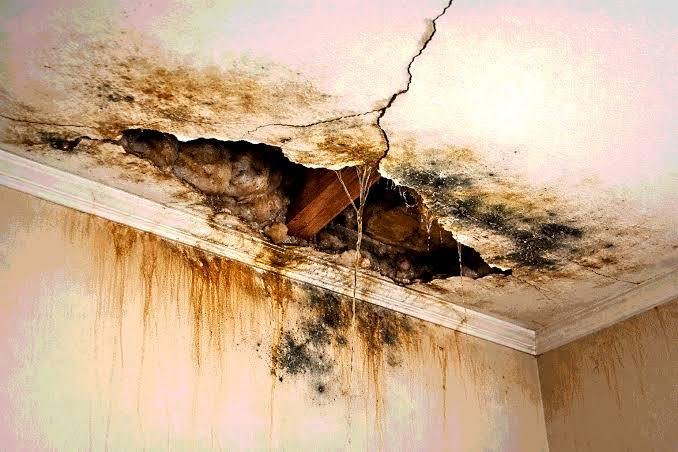
Dark spots, unusual discoloration, and musty odors on a ceiling can be more than cosmetic problems. They may indicate excess moisture inside a home, and ignoring the warning signs can allow damage to spread. Although mold can develop in many areas of a property, ceilings deserve particular attention because leaks and condensation are sometimes hidden above the visible surface.
Understanding what causes mold on ceiling surfaces helps homeowners identify possible sources of moisture and take corrective action before the problem becomes more extensive. From roof leaks to poor ventilation, several everyday household conditions can create an environment where mold develops.
For homeowners in Florida, moisture control is especially important because warm temperatures, high humidity, and frequent rainfall can make it difficult to keep indoor spaces consistently dry.
Why Does Mold Develop on Ceiling Surfaces?
Mold is a naturally occurring fungus that can grow when moisture and suitable organic materials are available. Common building materials, including drywall paper, wood, dust, and certain paint coatings, can provide surfaces where mold may develop.
Ceilings can become damp because of water entering from above or condensation forming indoors. If the affected materials remain wet or repeatedly become damp, mold growth may appear.
The visible patch is not always located directly beneath the original moisture source. Water can travel along framing, insulation, or other building materials before becoming noticeable.
7 Common Causes of Ceiling Mold
1. Roof Leaks and Damaged Roofing Materials
A roof leak is one possible reason for unexplained ceiling stains or mold growth. Missing shingles, deteriorated flashing, damaged roof penetrations, and improperly sealed areas can allow rainwater to enter the attic.
After entering the roof structure, water may soak insulation or travel along wooden framing. Homeowners might notice a brown stain, peeling paint, or dark patches several days after heavy rainfall.
Regular roof maintenance and prompt repairs can help reduce this risk. If a ceiling stain becomes more noticeable after storms, consider arranging an evaluation by a qualified roofing professional.
2. Poor Bathroom Ventilation
Bathrooms produce significant moisture during showers and baths. When humid air cannot escape, condensation may collect on cooler ceiling surfaces.
This is particularly common in bathrooms without effective exhaust fans or with ventilation systems that are improperly installed or maintained.
Homeowners should use exhaust fans during showers and continue running them afterward according to manufacturer guidance. Fans should discharge outdoors rather than into an attic or enclosed ceiling space.
3. Hidden Plumbing Leaks
Water supply pipes and drain lines sometimes run through ceilings or nearby wall cavities. A loose connection, deteriorated pipe, or damaged fitting can release small amounts of water over time.
Because these leaks may remain concealed, the first warning signs can include bubbling paint, yellowish stains, soft drywall, or a persistent musty smell.
If plumbing is suspected, arrange an assessment by a licensed plumber. Repairing the source is essential; covering the affected area with fresh paint will not solve an active leak.
4. Excessive Indoor Humidity
High indoor humidity can contribute to condensation, particularly when warm air contacts cooler surfaces. Ceilings near air-conditioning vents, exterior walls, and poorly insulated areas may be more vulnerable.
In humid climates, moisture can enter through poorly sealed openings or remain indoors when ventilation and air-conditioning systems are not functioning effectively.
A humidity monitor can help homeowners understand indoor conditions. Maintaining appropriate ventilation and servicing air-conditioning equipment can also support better moisture control.
5. Air-Conditioning Drainage and Condensation Issues
Air-conditioning systems remove moisture from indoor air, but drainage problems can cause unwanted water accumulation.
A clogged condensate drain line, damaged drain pan, or poorly insulated duct may contribute to moisture around ceiling areas. Condensation can develop when humid air contacts cold surfaces.
Watch for water stains near vents, damp ceiling sections below attic equipment, or unexplained moisture around the indoor unit. An HVAC technician can evaluate drainage, insulation, and equipment performance.
6. Inadequate Attic Ventilation
An attic needs appropriate ventilation to help manage heat and moisture. When airflow is restricted, humid air may accumulate and contribute to condensation on cooler roof surfaces.
This moisture can affect insulation, roof sheathing, and nearby wooden components. Over time, damp materials may provide conditions favorable for mold growth.
Blocked vents, insulation covering ventilation openings, and other airflow problems may contribute to the issue. A qualified professional can evaluate attic ventilation and identify possible moisture sources.
7. Previous Water Damage That Was Not Properly Dried
Sometimes mold appears after a leak that homeowners believe has already been repaired. This can happen when water-damaged drywall, insulation, or other porous materials were not adequately dried or assessed.
A surface may look dry while moisture remains trapped inside the material. Painting over the stain or installing a new ceiling finish too soon can conceal the problem rather than resolve it.
After significant water damage, affected materials should be assessed and dried appropriately. Materials that cannot be adequately cleaned or dried may need professional removal.
How to Identify the Source of the Problem
Recognizing what causes mold on ceiling surfaces requires looking beyond the visible discoloration. Consider the location of the affected area and whether the marks change after rainfall, plumbing use, or air-conditioning operation.
For example, growth near a shower may suggest inadequate ventilation, while staining that becomes darker after a storm may point toward a roofing concern. These patterns can provide useful clues, but they do not confirm the cause.
A professional assessment may involve checking accessible attic areas, examining visible plumbing, evaluating moisture levels, and reviewing ventilation conditions. Avoid cutting into ceilings or entering unsafe attic spaces without appropriate professional assistance.
Practical Ways to Prevent Future Growth
Preventing ceiling mold starts with controlling moisture throughout the property.
- Repair roof damage and plumbing leaks promptly.
- Use bathroom exhaust fans to remove excess moisture.
- Keep air-conditioning condensate drains maintained.
- Monitor indoor humidity and improve ventilation where necessary.
- Inspect accessible attic areas for damp insulation or visible leaks.
- Dry water-damaged materials promptly and assess affected porous materials.
- Watch for recurring stains, peeling paint, and persistent musty odors.
If visible growth covers a large area, repeatedly returns, or follows significant water damage, consider consulting a qualified mold assessment or remediation professional. Avoid disturbing extensive affected materials because this may spread particles into the indoor environment.
When Should You Arrange a Professional Inspection?
A professional home inspection may help identify visible moisture concerns, roof-related issues, plumbing observations, and other conditions that deserve further evaluation.
However, a standard home inspection is generally visual and non-invasive. It does not automatically include laboratory mold testing, concealed-space investigations, or a complete indoor air quality assessment. Additional specialized services may be appropriate depending on the property’s condition.
For homeowners in Central Florida, Full Circle Home Inspectors provides professional home inspection services to help clients understand the observable condition of their properties. Visit Full Circle Home Inspectors to learn more about arranging an inspection.
Address Moisture Before It Becomes a Bigger Problem
Understanding what causes mold on ceiling surfaces gives homeowners a practical starting point for protecting their properties. Roof leaks, plumbing problems, condensation, poor ventilation, and high humidity can all contribute to unwanted moisture.
The most effective response is to identify the source, correct the underlying problem, and ensure affected materials are properly addressed. Regular maintenance and timely professional evaluations can help homeowners manage moisture concerns and keep their properties in better condition throughout the year.