
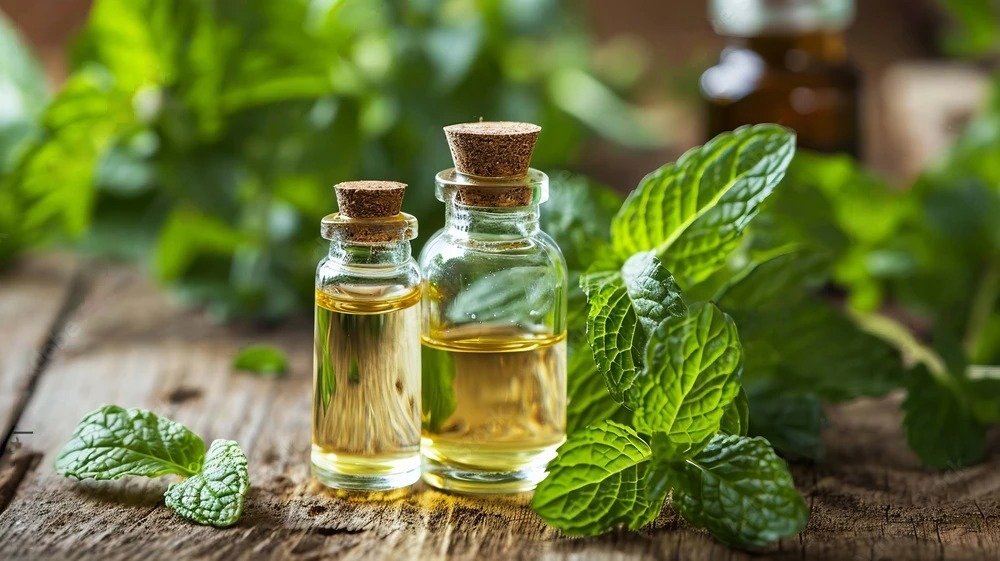
Peppermint oil is one of the most widely used essential oils, valued for its refreshing minty aroma, cooling sensation, and versatile industrial applications. From personal care products and cosmetics to fragrances and aromatherapy blends, peppermint oil is an important ingredient for manufacturers across different industries.
As demand for mint-based ingredients continues, businesses increasingly look for a reliable peppermint oil manufacturer and bulk supplier to support their production requirements. Choosing the right wholesale source helps businesses maintain product consistency, streamline procurement, and ensure a dependable supply of peppermint essential oil.
In this guide, we explore peppermint oil wholesale, its manufacturing process, major applications, quality considerations, and the benefits of purchasing peppermint oil in bulk.
What Is Peppermint Oil?
Peppermint oil is an essential oil extracted from the leaves and flowering tops of the peppermint plant, scientifically known as Mentha × piperita. It belongs to the Lamiaceae family and is recognized for its strong, fresh, minty fragrance.
The oil contains naturally occurring aromatic compounds, including menthol and menthone, which contribute to its distinctive cooling character and refreshing scent.
Peppermint essential oil is commonly used in:
- Cosmetics and personal care formulations
- Soaps and skincare products
- Hair care products
- Fragrance and perfume formulations
- Aromatherapy and diffuser blends
- Household cleaning products
- Flavoring applications, where suitable grades and regulatory requirements are met
Its versatility makes peppermint oil a valuable raw material for businesses requiring consistent aromatic ingredients.
How Is Peppermint Oil Manufactured?
The manufacturing process plays an important role in determining the aroma, chemical composition, and overall characteristics of peppermint essential oil.
1. Selection of Peppermint Leaves
The process begins with selecting suitable peppermint plant material. Plant variety, growing conditions, harvesting time, and handling practices can influence the resulting oil.
2. Steam Distillation
Steam distillation is a commonly used method for extracting peppermint essential oil.
During this process, steam passes through the peppermint plant material, carrying volatile aromatic compounds into a cooling system.
3. Condensation and Oil Separation
The aromatic vapor is cooled and condensed into liquid. The essential oil is then separated from the water collected during distillation.
4. Filtration and Quality Evaluation
The extracted oil may undergo filtration to remove unwanted particles. Manufacturers can evaluate its aroma, appearance, and chemical characteristics to determine whether it meets the required specifications.
5. Packaging and Storage
Finally, peppermint oil is transferred into suitable containers designed to protect it from excessive exposure to air, heat, and light.
Proper handling throughout these stages helps preserve the oil’s characteristic freshness.
Why Choose a Peppermint Oil Manufacturer and Bulk Supplier?
Businesses that use peppermint essential oil regularly benefit from establishing dependable wholesale sourcing arrangements.
Consistent Product Quality
A reliable supplier helps businesses source peppermint oil supplier according to their required product specifications. Consistency is particularly important for manufacturers producing cosmetics, fragrances, and other formulated products.
Reliable Bulk Availability
Wholesale sourcing supports businesses that require peppermint oil for ongoing manufacturing operations. Discussing expected order volumes and delivery schedules can help buyers plan production efficiently.
Suitable Packaging Solutions
Bulk essential oil procurement often involves packaging formats such as aluminum containers or compatible industrial drums. The appropriate packaging depends on the required quantity and transportation conditions.
Streamlined Procurement
Working with an established peppermint oil bulk supplier can simplify communication about product specifications, documentation, packaging, and delivery requirements.
Long-Term Business Relationships
A dependable supplier relationship can support repeat orders, consistent sourcing practices, and better coordination between procurement teams and manufacturers.
Major Applications of Wholesale Peppermint Oil
Peppermint essential oil has applications across several commercial industries because of its distinctive aroma and cooling properties.
1. Cosmetics and Skincare Industry
Peppermint oil is used in selected cosmetic formulations, including creams, lotions, soaps, and other personal care products. Its refreshing fragrance makes it suitable for products designed to provide a fresh sensory experience.
Formulators must use appropriate concentrations and follow relevant safety requirements.
2. Hair Care Industry
Peppermint oil is a common aromatic ingredient in shampoos, conditioners, scalp-care products, and hair oils.
Its minty scent and cooling sensation make it appealing for refreshing hair care formulations.
3. Aromatherapy Industry
The refreshing aroma of peppermint essential oil makes it a popular ingredient in diffuser blends and aromatic products.
Businesses manufacturing aromatherapy products often source peppermint oil wholesale quantities to maintain regular production.
4. Soap and Personal Care Manufacturing
Peppermint oil is used to create mint-scented soaps, body washes, and cleansing products.
Its strong aroma can complement other fragrance ingredients in personal care formulations.
5. Perfumery and Fragrance Industry
Peppermint essential oil contributes fresh, green, and minty notes to fragrance compositions.
Perfumers may combine it with citrus, herbal, woody, or other aromatic ingredients to create distinctive fragrance profiles.
6. Household and Cleaning Products
Peppermint oil is also used as a fragrance ingredient in certain household cleaning products, air fresheners, and deodorizing formulations.
Its recognizable mint aroma helps create a clean and refreshing fragrance profile.
Important Quality Factors in Peppermint Oil Wholesale
When purchasing peppermint oil in bulk, evaluating product quality is essential.
Botanical identity: Buyers should confirm that the supplied oil comes from the required peppermint species, Mentha × piperita.
Aroma profile: Peppermint oil typically has a strong, fresh, penetrating minty aroma with a cooling character.
Appearance: Peppermint essential oil is generally a clear liquid ranging from colorless to pale yellow, although appearance can vary between batches.
Chemical composition: Components such as menthol and menthone influence the oil’s aromatic properties. Their proportions can vary depending on plant material and production conditions.
Quality documentation: Buyers may request relevant documents, such as a Certificate of Analysis (COA), Safety Data Sheet (SDS), or GC-MS analysis, where available.
Storage conditions: Proper storage helps reduce changes caused by oxidation and exposure to unfavorable environmental conditions.
Considering these factors helps wholesale buyers select peppermint oil that meets their intended formulation requirements.
Packaging and Storage of Bulk Peppermint Oil
Packaging is an important consideration when sourcing peppermint oil wholesale.
Essential oils contain volatile compounds that can be affected by prolonged exposure to heat, oxygen, and sunlight.
Common packaging options in the essential oil industry include aluminum bottles, suitable glass containers, and compatible industrial drums.
For proper storage:
- Keep containers tightly closed when not in use.
- Store peppermint oil in a cool, dry, well-ventilated location.
- Protect containers from direct sunlight and excessive heat.
- Use packaging materials compatible with essential oils.
- Follow the applicable safety and handling instructions.
Appropriate packaging and storage help maintain the oil’s characteristic aroma and chemical stability during transportation and warehousing.
How to Choose the Right Peppermint Oil Wholesale Supplier
Selecting a suitable supplier is an important decision for businesses that depend on peppermint oil as a manufacturing ingredient.
Before finalizing a wholesale sourcing arrangement, consider the following factors.
Product Specifications
Confirm the botanical name, extraction method, aroma characteristics, and any specific chemical requirements relevant to your application.
Manufacturing Knowledge
A supplier with a clear understanding of essential oil production can help buyers communicate technical requirements more effectively.
Quality Evaluation
Discuss the quality checks and supporting documentation relevant to the intended use of the oil.
Bulk Supply Requirements
Confirm whether the supplier can accommodate your required order volume, packaging format, and expected delivery schedule.
Communication and Support
Clear communication helps prevent misunderstandings about specifications, product handling, and shipment arrangements.
A professional peppermint oil manufacturer should be evaluated on product suitability, supply reliability, and the ability to meet agreed business requirements.
Why Peppermint Oil Wholesale Is Important for Manufacturers
For companies manufacturing products on a regular basis, sourcing raw materials efficiently is essential.
Peppermint oil wholesale allows businesses to plan their raw material requirements according to manufacturing schedules and anticipated demand.
Bulk procurement can also reduce the administrative effort associated with placing frequent small orders.
For brands developing peppermint-based product ranges, establishing a reliable supply chain supports smoother production planning and more consistent product development.
Whether a business manufactures cosmetics, fragrances, soaps, or aromatic products, dependable peppermint oil sourcing remains an important part of its operations.
Conclusion
Peppermint oil continues to be an important essential oil for businesses across cosmetics, personal care, aromatherapy, fragrance, and other industries.
Its distinctive minty fragrance, cooling properties, and versatility make it a valuable ingredient in a wide range of formulations.
Choosing the right peppermint oil distributor involves understanding product quality, manufacturing methods, packaging, storage, and supply requirements.
For businesses seeking peppermint oil wholesale, focusing on reliable sourcing and clearly defined product specifications can help establish an efficient, long-term procurement process.
Frequently Asked Questions (FAQs)
1. What is peppermint oil used for?
Peppermint oil is commonly used in cosmetics, skincare products, hair care formulations, soaps, fragrances, aromatherapy blends, and selected household products. It is valued for its refreshing minty aroma and cooling sensation.
2. What is the botanical name of peppermint oil?
The botanical name of peppermint is Mentha × piperita. It is a member of the Lamiaceae family and is widely cultivated for its aromatic essential oil.
3. How is peppermint essential oil extracted?
Peppermint essential oil is commonly extracted through steam distillation of the leaves and flowering tops of the peppermint plant. This process separates the volatile aromatic compounds from the plant material.
4. What are the main components of peppermint oil?
Menthol and menthone are two important components of peppermint essential oil. Other naturally occurring constituents may include menthyl acetate, menthofuran, and 1,8-cineole.
5. Why do businesses purchase peppermint oil wholesale?
Businesses purchase peppermint oil wholesale to support regular manufacturing operations, manage raw material requirements, and maintain a dependable supply for commercial formulations.
6. Which industries commonly require bulk peppermint oil?
Bulk peppermint oil is used by cosmetics manufacturers, personal care companies, fragrance manufacturers, soap producers, aromatherapy businesses, and certain household product manufacturers.
7. How should bulk peppermint oil be stored?
Bulk peppermint oil should be stored in tightly sealed, compatible containers in a cool, dry location away from direct sunlight, excessive heat, and ignition sources. Appropriate storage helps protect its aromatic characteristics.
8. What should buyers check before selecting a peppermint oil manufacturer and bulk supplier?
Buyers should review botanical identity, product specifications, aroma profile, extraction method, quality documentation, packaging options, and the supplier’s ability to meet their volume and delivery requirements.
9. What is the difference between peppermint oil and menthol?
Peppermint oil is a complex essential oil containing multiple naturally occurring aromatic compounds. Menthol is one individual compound found in peppermint oil and is largely responsible for its characteristic cooling sensation.
10. Can peppermint oil be used in cosmetic and personal care formulations?
Yes. Peppermint oil is used in various cosmetic and personal care formulations, including soaps, shampoos, lotions, and aromatic products. Its concentration and use must be appropriate for the finished product and comply with applicable safety requirements.