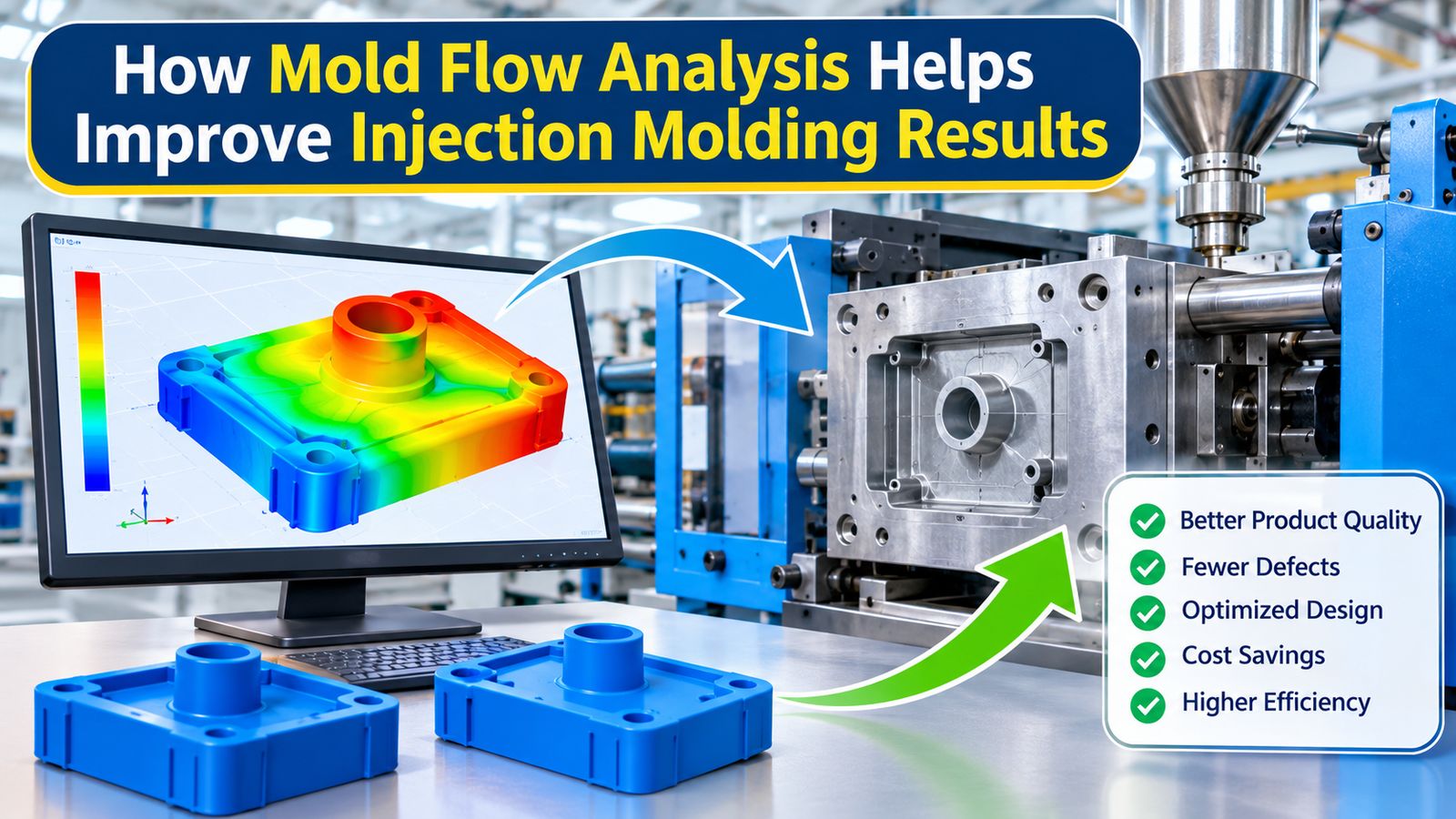
Plastic injection molding is widely used in modern manufacturing to produce precise, durable, and complex plastic components. However, achieving consistent product quality requires careful planning, accurate mold design, and proper control of manufacturing conditions. One important technology that helps manufacturers improve production results is mold flow analysis. It allows engineers to evaluate how molten plastic moves through a mold before actual production begins.
For manufacturers seeking reliable Plastic Injection Molding Services , mold flow analysis can play an important role in reducing design errors, improving product consistency, and optimizing production efficiency. Companies such as Nubsplastics Inc recognize the importance of proper mold planning and engineering in delivering quality plastic components.
Let’s explore how mold flow analysis improves injection molding results and supports better manufacturing performance.
1. Helps Identify Potential Design Problems Early
One of the biggest advantages of mold flow analysis is its ability to identify potential problems before manufacturing the actual mold.
During the simulation process, engineers can examine how molten plastic enters, fills, and moves through the mold cavity. This helps identify possible issues such as incomplete filling, air traps, uneven material distribution, and potential defects.
Finding these problems during the design stage allows engineers to make necessary adjustments before investing in expensive tooling modifications.
Early problem identification can save production time, reduce unnecessary expenses, and support a smoother manufacturing process.
2. Improves Mold Filling and Material Distribution
Proper mold filling is essential for producing accurate plastic components. If molten plastic does not distribute evenly throughout the cavity, the finished product may contain weak areas, incomplete sections, or inconsistent dimensions.
Mold flow analysis helps engineers understand how material travels through different sections of the mold. It can provide valuable information about gate locations, flow paths, filling patterns, and material behavior.
Based on simulation results, engineers can adjust mold designs to improve material distribution and achieve more consistent filling.
This is particularly important when manufacturing complex components with varying wall thicknesses and detailed geometries.
3. Reduces Common Injection Molding Defects
Manufacturing defects can affect product appearance, strength, and functionality. Some common injection molding problems include:
- Short shots: Occur when molten plastic does not completely fill the mold cavity.
- Warpage: Happens when uneven cooling and material shrinkage cause dimensional distortion.
- Weld lines: Develop when separate flow fronts meet during the filling process.
- Air traps: Occur when air becomes trapped inside the mold cavity.
- Sink marks: Appear as surface depressions caused by uneven shrinkage.
Mold flow analysis helps engineers predict several of these potential issues and evaluate design improvements. Although simulation cannot eliminate every manufacturing defect, it provides useful insights that support better process planning and quality control.
4. Optimizes Gate Location and Runner Design
Gate and runner systems play an important role in determining how molten plastic enters and travels through a mold.
An unsuitable gate location can create uneven filling, visible weld lines, pressure differences, and other quality concerns. Similarly, an inefficient runner system may contribute to material waste and inconsistent production.
Mold flow analysis allows engineers to evaluate different gate positions and runner configurations through computer simulations.
By studying these results, manufacturers can select more effective designs that support balanced filling and efficient material flow.
Proper gate and runner planning is especially valuable when developing molds for complicated plastic components.
5. Helps Improve Cooling Efficiency
Cooling is one of the most important stages of the injection molding process. After molten plastic fills the mold cavity, it must cool and solidify before the finished component can be removed.
Uneven cooling can lead to warpage, shrinkage variations, internal stress, and longer production cycles.
Mold flow analysis can help engineers evaluate temperature distribution and cooling behavior within the mold. This information supports better cooling channel placement and improved thermal management.
An optimized cooling system can contribute to consistent part quality while helping manufacturers reduce unnecessary production delays.
6. Supports Cost-Effective Manufacturing
Mold modifications, repeated testing, rejected components, and production delays can increase manufacturing costs.
Mold flow analysis helps reduce these risks by allowing engineers to evaluate different design possibilities before physical tooling is completed.
Identifying potential problems early can minimize costly changes during later production stages. It can also reduce material waste associated with trial-and-error adjustments.
For businesses investing in Plastic Injection Molding Services, this approach can support more predictable project planning and better utilization of manufacturing resources.
7. Improves Product Quality and Production Consistency
Consistency is essential when manufacturing plastic components in large quantities. Products must maintain accurate dimensions, reliable functionality, and acceptable surface quality throughout production.
Mold flow analysis provides engineers with information about filling pressure, material flow, temperature variations, and potential shrinkage patterns.
These insights help manufacturers make informed decisions about mold geometry and processing conditions. When combined with practical testing and quality inspection, simulation can support more reliable manufacturing outcomes.
Nubsplastics Inc understands the importance of precision, careful mold development, and quality-focused manufacturing practices when producing plastic components for different applications.
Conclusion
Mold flow analysis is a valuable engineering tool that helps manufacturers improve injection molding results. By identifying potential design problems, optimizing material flow, reducing defect risks, improving cooling efficiency, and supporting cost-effective production, it contributes to better manufacturing decisions.
For businesses seeking dependable Plastic Injection Molding Services , proper mold design and simulation can make a meaningful difference in product quality and production efficiency.
With careful engineering, appropriate material selection, and effective quality control, manufacturers can develop reliable plastic components that meet demanding application requirements. Nubsplastics Inc emphasizes the importance of thoughtful mold planning and manufacturing precision in supporting successful plastic injection molding projects.