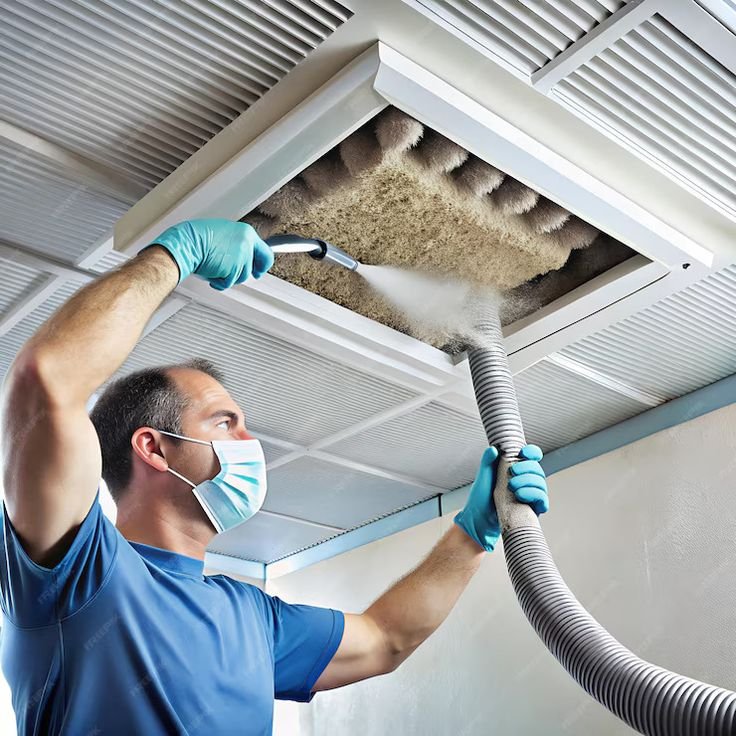
An air conditioning system works through a network of filters, ducts, vents, and mechanical components. Each part has a specific role in maintaining comfortable indoor temperatures. When ductwork collects excessive debris, it may require inspection and appropriate cleaning. Understanding how to Clean AC Ducts correctly helps property owners avoid damaging their systems and recognize when professional assistance is necessary.
Duct maintenance should focus on the actual condition of the equipment rather than following unnecessary cleaning routines.
Why Air Ducts Collect Dust
Dust enters residential and commercial environments through several everyday activities. Air movement can carry these particles toward return-air openings, where some may enter the HVAC system.
Common Sources of Duct Debris
Common sources include household dust, pet hair, pollen, textile fibers, and construction materials.
Improperly installed filters and damaged duct connections may also allow particles to enter the system.
Environmental Conditions
Properties near busy roads, construction areas, or dusty surroundings may experience higher levels of airborne particles.
Building occupancy and housekeeping habits also influence how quickly dust accumulates indoors.
When Should AC Ducts Be Cleaned?
The decision to arrange AC Duct Cleaning should depend on inspection findings.
Visible Accumulation
Substantial deposits inside accessible duct sections may indicate a need for cleaning.
However, dust on the outside of an air register is not enough to establish that the entire network requires professional treatment.
Renovation and Construction
Construction activities can release drywall dust, wood fragments, and insulation particles. Protecting HVAC openings during renovation helps prevent contamination.
After major work, inspecting the system may reveal whether debris entered the ducts.
Moisture and Pest Contamination
Moisture damage and pest activity require careful assessment. Cleaning may be appropriate, but damaged materials or contaminated insulation may need replacement.
How to Clean AC Ducts Safely
Cleaning methods should reflect the material, accessibility, and condition of the ductwork.
Basic Surface Cleaning
Homeowners can maintain exposed vent covers using a soft cloth or suitable vacuum attachment.
Before removing a grille, the system should be switched off when appropriate. Removable components can be cleaned according to manufacturer instructions.
Avoiding Excessive Moisture
Water should not be introduced into inaccessible duct sections without a suitable procedure. Excess moisture can affect insulation and create additional maintenance problems.
Professional Internal Cleaning
Professional AC Duct Cleaning uses appropriate vacuum collection equipment to capture loosened debris.
Technicians may use mechanical brushes or other tools when suitable for the duct material. Proper containment helps prevent dust from entering occupied areas.
Understanding the Role of AC Duct Cleaning Services
AC Duct Cleaning Services may include cleaning accessible supply ducts, return ducts, registers, and selected air distribution components.
The actual scope depends on the system design and inspection findings.
Supply and Return Duct Maintenance
Supply ducts distribute conditioned air, while return ducts transport indoor air back toward the equipment.
Both should be examined when contamination is suspected because each serves a different function in the circulation process.
Filter and Coil Inspection
Filters and cooling coils require separate maintenance. A dirty filter may restrict airflow, while contaminated coils may affect heat transfer.
Cleaning ductwork does not automatically resolve problems involving these components.
How Duct Cleanliness Relates to Airflow
Airflow depends on duct size, system pressure, blower performance, filter condition, and the number of obstructions.
Significant debris can contribute to restricted airflow, but damaged connections or poor system design may be equally important.
A proper HVAC inspection should identify the actual cause before corrective work is recommended.
Preventing Dust From Returning
Several habits can help maintain cleaner air distribution components:
- Replace filters according to manufacturer instructions.
- Keep return-air openings unobstructed.
- Vacuum household floors regularly.
- Seal damaged duct connections.
- Protect vents during construction.
- Maintain appropriate indoor humidity.
- Investigate unusual odors or visible moisture.
When to Contact Cleaning Professionals
If substantial debris, pest contamination, or construction residue is found inside the ductwork, qualified AC Duct Cleaning Experts can assess the system.
Homeowners should ask about the equipment, cleaning procedure, duct material compatibility, and inspection documentation.
Conclusion
Keeping ductwork in suitable condition requires careful maintenance and appropriate cleaning methods. Surface dusting, filter replacement, and professional inspection all serve different purposes. Rather than using aggressive methods or unnecessary treatments, property owners should identify the source of contamination and address it correctly. When inspection confirms that internal cleaning is needed, Socalgreen air and chimney can support effective HVAC maintenance.