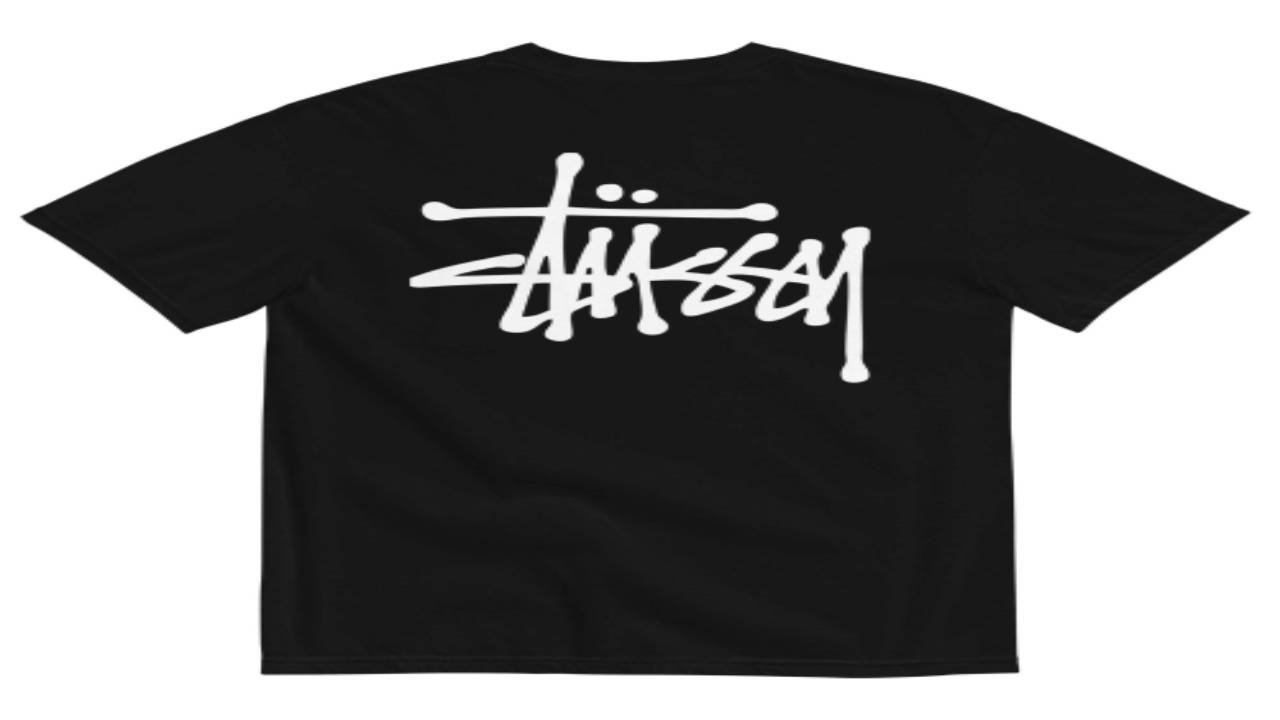
Colour plays a major role in how people express themselves through clothing. A simple outfit can look completely different when someone changes the shade of a hoodie, T-shirt, jacket, or pair of trousers. In British streetwear, colour helps create personal style while making everyday clothing feel fresh and interesting. Stussy has a long connection with casual fashion, graphic clothing, and relaxed streetwear, making colour an interesting part of its style. From classic black and white to earthy shades, bold graphics, and seasonal colours, Stussy Clothing gives people different ways to dress without making their outfits feel complicated. Understanding how colour works can help fashion enthusiasts choose better combinations, build wardrobes, and wear streetwear with confidence.
Why Colour Matters in Contemporary Streetwear
Streetwear is closely connected with personal expression. People often use clothing to show their interests, mood, and personality. Colour makes this possible without requiring complicated outfits or expensive accessories.
Neutral colours such as black, white, grey, beige, and navy remain popular because they work with many clothing styles. A black hoodie paired with blue jeans creates a simple everyday outfit, while a white graphic T-shirt adds contrast to darker trousers. These combinations suit people who prefer comfortable clothing with a clean appearance.
Streetwear also welcomes brighter shades. Red, green, orange, purple, and yellow can make an outfit stand out, especially when used in graphic prints or smaller details. Stussy Clothing combines casual shapes with different colour choices, allowing wearers to create outfits that feel relaxed but still have character.
Classic Colours and Their Place in Streetwear
Black, White and Grey
Black, white, and grey have remained popular in street fashion because they are easy to wear. Black clothing creates a sharp appearance and works well with denim, cargo trousers, joggers, and trainers. White brings a lighter feel to an outfit, while grey offers a softer alternative to darker shades.
A black Stussy sweatshirt with grey joggers and white trainers creates a balanced look for everyday activities. This combination works for shopping, meeting friends, travelling, or spending time around town. These colours also make it easier to wear graphic clothing without creating too much visual contrast.
Navy and Earthy Shades
Navy, brown, olive, beige, and cream have become common choices for people who prefer a more natural clothing palette. These colours suit autumn and winter outfits, especially when paired with denim, wool coats, overshirts, and heavier footwear.
Clothing in earthy shades can fit comfortably into a wardrobe filled with simple everyday pieces. Olive trousers with a cream sweatshirt or a brown hoodie with faded blue jeans offers an easy combination that feels suitable for British weather and daily life.
How Bold Colours Change an Outfit
Bright Shades as Statement Pieces
Bright colours can add personality to clothing. A red hoodie, blue sweatshirt, or green graphic T-shirt can become the main focus of an outfit. The rest of the clothing can stay simple, allowing the brighter piece to stand out naturally.
For example, a colourful Stussy T-shirt can work with black jeans and white trainers. The shirt brings visual interest, while the neutral trousers and shoes keep the outfit balanced. This approach suits people who enjoy graphic streetwear but prefer not to wear several bright colours at once.
Colourful Graphics and Prints
Graphics are a familiar part of streetwear. Printed logos, artwork, lettering, and illustrations often combine several colours on one garment. The choice of colours can change the mood of the design, making it feel playful, retro, understated, or bold.
A graphic sweatshirt with muted colours can work well with everyday clothing, while a print featuring strong red, blue, or yellow shades may suit a more expressive outfit. Stussy has a connection with graphic streetwear, and its printed clothing allows people to use artwork and colour together when creating their personal style.
Matching Colours With Everyday Clothing
Creating Balanced Outfits
A good outfit does not need many colours. Choosing two or three shades can make clothing easier to coordinate. One colour can take the lead, while the other shades support it.
For example, beige trousers, a white T-shirt, and a navy overshirt create a balanced casual outfit. Black cargo trousers, a grey sweatshirt, and neutral trainers offer another practical combination. These choices work well because each piece complements the others.
When wearing Stussy Clothing, shoppers can start with the colour of their favourite garment and build the rest of the outfit around it. This makes getting dressed easier and helps avoid combinations that feel too busy.
Using Accessories for Small Colour Changes
Caps, bags, socks, and trainers can introduce colour without changing the whole outfit. A coloured cap can add personality to a neutral look, while a bag in a different shade can create contrast.
Accessories are also useful for people who are unsure about wearing bright clothing. They can introduce red, green, blue, or other shades through smaller items before choosing a more colourful hoodie or jacket.
Seasonal Colour Choices in the UK
British weather often influences clothing decisions. During colder months, darker shades, earthy colours, and layered clothing are common. Black, charcoal, brown, burgundy, and olive work well with coats, heavier sweatshirts, and winter footwear.
Spring and summer often bring lighter shades. White, pale blue, cream, washed green, and softer colours can make casual outfits feel suitable for warmer days. Lightweight T-shirts, shorts, and relaxed shirts provide room for brighter colour combinations.
Stussy Clothing offers a streetwear approach that can work throughout the year. A darker sweatshirt can suit colder evenings, while a light graphic tee can work during summer outings. Choosing colours according to the season can help people get more wear from their wardrobe without changing their personal style.
Building a Streetwear Wardrobe Around Colour
A practical wardrobe begins with a few colours that work together. Black, white, grey, navy, and beige are useful starting points because they can be paired with many other shades. Once these pieces are in place, shoppers can add brighter garments that reflect their tastes.
The Stussy category of streetwear includes casual staples such as T-shirts, hoodies, sweatshirts, caps, and relaxed everyday clothing. These pieces can work together when shoppers pay attention to colour rather than buying items that only look good individually.
A useful approach is to choose one colourful item for each outfit. This might be a graphic T-shirt, hoodie, cap, or pair of trainers. Keeping the other pieces simple makes the outfit easier to wear and gives the colourful garment more attention.
People can also experiment with different shades of the same colour. Light blue denim paired with a darker blue sweatshirt creates depth without adding another colour. Cream and brown offer a similar effect, especially for casual outfits during autumn.
Frequently Asked Questions
1. Why is colour important in streetwear?
Colour helps people express their personality, create different outfit moods, and make simple clothing look more interesting.
2. Which colours are easiest to wear with streetwear?
Black, white, grey, navy, beige, and olive are easy to combine with jeans, joggers, cargo trousers, trainers, and casual jackets.
3. How can I wear bright colours without making my outfit too busy?
Choose one bright garment and combine it with neutral clothing. A colourful T-shirt with black trousers and simple trainers creates a balanced appearance.
4. Does Stussy Clothing work with neutral outfits?
Yes. Graphic T-shirts, sweatshirts, and hoodies can work with neutral trousers, denim, and jackets. Simple colour combinations make casual outfits easy to wear.
5. Which streetwear colours are suitable for British weather?
Dark shades, earthy colours, and muted tones work well during colder months. Lighter colours and soft shades are popular for spring and summer outfits.