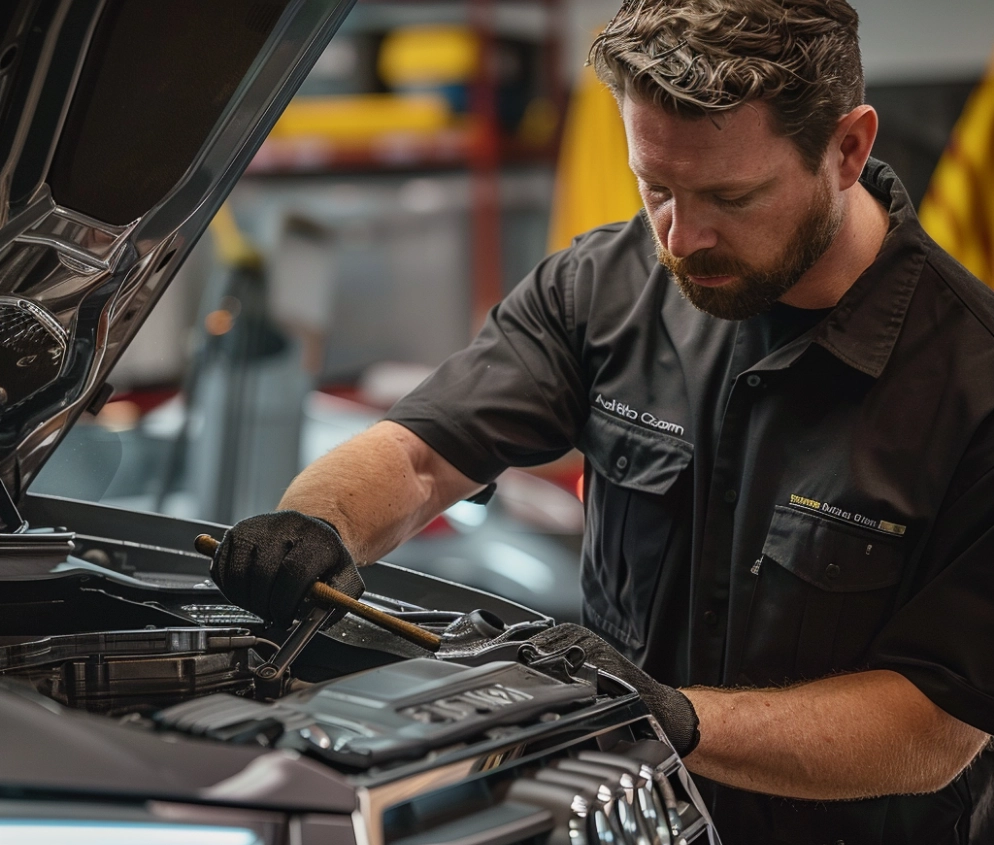
Keeping a vehicle in dependable working condition requires more than occasional maintenance. Everyday driving places stress on essential components, including the engine, brakes, tires, suspension, and electrical systems. Regular inspections and timely repairs help drivers address developing problems before they interfere with vehicle performance or create unexpected inconvenience.
For motorists researching an auto repair shop in Lubbock County, Texas, understanding the available automotive services and maintenance practices can make choosing the right repair facility easier. Factors such as technician experience, diagnostic capabilities, service transparency, and the range of repairs offered all contribute to a more informed decision.
Every vehicle has different maintenance requirements depending on its age, mileage, driving conditions, and mechanical condition. Developing a consistent maintenance routine and knowing when to seek professional assistance can help drivers protect their automotive investment and maintain reliable transportation throughout the year.
Understanding the Importance of Routine Vehicle Inspections
Routine inspections provide an opportunity to identify developing mechanical concerns before they become more complicated. Components such as belts, hoses, tires, brakes, and fluid systems can experience gradual wear through normal driving.
A professional inspection generally involves checking visible components, evaluating fluid levels, and identifying signs of unusual wear or damage. The appropriate inspection schedule depends on the vehicle manufacturer’s recommendations and individual driving habits.
Drivers should also pay attention to changes in vehicle behavior, including unusual noises, vibrations, or dashboard warning indicators. Reporting these observations to an automotive professional can help narrow down potential problems and support more accurate diagnostics.
Recognizing Signs That Your Vehicle Needs Professional Attention
Vehicles often provide warning signs when something is not functioning correctly. Changes in braking performance, difficulty starting the engine, unusual exhaust behavior, and steering problems may indicate underlying mechanical issues.
Some symptoms develop gradually, making them easy to overlook during everyday driving. For example, a vehicle that begins pulling to one side may have an alignment concern, uneven tire pressure, or another suspension-related issue.
When searching for an auto repair shop in Lubbock County, Texas, drivers should consider facilities that can investigate symptoms rather than simply address visible problems. Proper diagnosis helps identify the underlying cause and reduces the likelihood of unnecessary repairs.
Maintaining Tire Condition for Consistent Road Performance
Tires influence traction, handling, braking, and overall driving stability. Their condition can change through regular use, road debris, temperature fluctuations, and incorrect inflation pressure.
Drivers should periodically examine tread condition and check tire pressure according to the manufacturer’s recommendations. Uneven tread wear may indicate alignment problems, improper inflation, or suspension concerns that deserve further investigation.
Tire rotation can also help promote more consistent wear when performed according to the vehicle manufacturer’s recommended schedule. Automotive professionals can assess whether a tire needs repair, replacement, balancing, or additional attention to related components.
Why Brake System Maintenance Should Never Be Overlooked
The braking system is among the most important safety-related systems in any vehicle. Brake pads, rotors, calipers, hydraulic components, and brake fluid all contribute to dependable stopping performance.
Warning signs may include squealing sounds, grinding noises, pedal changes, or vibrations during braking. These symptoms should be evaluated promptly because different problems can produce similar driving experiences.
A professional brake inspection can help determine whether components require adjustment, repair, or replacement. Following recommended maintenance intervals and responding to unusual braking behavior helps drivers maintain better awareness of their vehicle’s condition.
How Engine Diagnostics Help Identify Mechanical Problems
Modern vehicles use electronic control systems and onboard sensors to monitor different operating conditions. When the system detects certain irregularities, it may activate a dashboard warning light or store diagnostic information.
Engine diagnostics involve examining available fault codes and evaluating relevant vehicle systems. However, a warning code does not always identify the exact component responsible for a problem. Additional testing may be necessary to establish an accurate diagnosis.
An experienced auto repair shop in Lubbock County, Texas, can use appropriate diagnostic equipment and inspection methods to investigate engine-related concerns. Understanding the actual cause helps drivers make more informed decisions about necessary repairs.
Preparing Vehicles for Changing Driving Conditions
Driving conditions can influence how quickly different vehicle components experience wear. In areas such as Lubbock County, Texas, drivers may encounter hot summers, seasonal temperature changes, dust, and varying road conditions.
These environmental factors make it useful to monitor tire pressure, cooling system condition, engine oil, and other essential maintenance items. Temperature changes can also affect battery performance and tire inflation.
Before longer journeys or seasonal changes, drivers should review their maintenance records and check whether recommended services are due. A basic inspection can identify concerns that might otherwise interrupt travel plans.
Choosing the Right Automotive Repair Facility
Selecting an automotive repair facility involves evaluating more than convenience or advertised pricing. Drivers should consider the range of services available, communication practices, diagnostic capabilities, and the clarity of repair estimates.
A dependable repair experience begins with understanding the reported problem and explaining the proposed work. Customers should have an opportunity to review recommended repairs, ask questions, and understand which services are essential.
Wizard Auto Tire is a business motorists can research when exploring automotive service options. Before arranging work, drivers should confirm current service availability, pricing, and whether the facility handles their particular vehicle and repair requirements.
Understanding Repair Estimates and Maintenance Costs
Automotive repair costs vary according to the vehicle’s make, model, age, component availability, and complexity of the required work. A relatively simple maintenance task may involve different labor and material requirements than a major mechanical repair.
When reviewing an estimate, drivers should look for clear descriptions of the recommended work, replacement parts, labor charges, and any additional fees. Asking for clarification about urgent repairs versus maintenance that can be scheduled later can also help with financial planning.
Comparing estimates is useful when the proposed services are equivalent. However, choosing a repair facility based entirely on the lowest price may overlook differences in parts, diagnostic procedures, and service scope.
The Value of Keeping Accurate Vehicle Maintenance Records
Maintenance records provide a useful history of work performed on a vehicle. They can include oil changes, tire rotations, brake inspections, battery replacements, and major mechanical repairs.
Keeping these records organized helps drivers understand which services have already been completed and when upcoming maintenance may be required. It also makes it easier to communicate previous mechanical concerns when visiting a repair facility.
Digital records, invoices, and manufacturer maintenance schedules can all contribute to a more complete service history. Consistent documentation supports better maintenance planning and may also be useful when evaluating a vehicle’s condition before a future sale.
Combining Preventive Maintenance With Timely Repairs
Preventive maintenance and corrective repairs serve different purposes, but both are important for vehicle ownership. Preventive services help maintain components according to recommended schedules, while corrective repairs address problems that have already developed.
Drivers can support long-term vehicle performance by following manufacturer recommendations, monitoring warning indicators, and arranging inspections when unusual symptoms appear.
Working with an auto repair shop in Lubbock County, Texas, can help motorists understand their vehicle’s maintenance requirements and identify appropriate repair options. A consistent approach makes it easier to manage service needs without overlooking important mechanical concerns.
Conclusion
Responsible vehicle ownership depends on regular inspections, informed maintenance decisions, and timely attention to developing mechanical problems. From tire condition and brake performance to engine diagnostics and repair estimates, understanding the different aspects of automotive care helps drivers make practical decisions.
Motorists exploring automotive services from Wizard Auto Tire can benefit from first identifying their vehicle’s needs and confirming which services are available. With organized maintenance records, clear communication, and appropriate professional attention, drivers can support dependable vehicle operation and make more confident decisions about their automotive care.