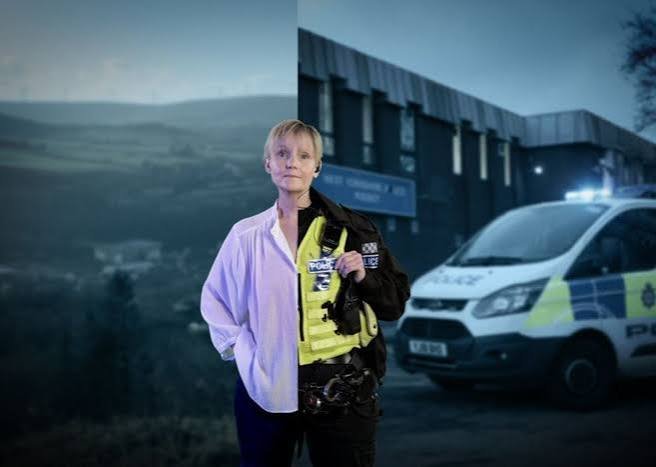
Police dramas give viewers an insight into life on the front line, taking emergency calls and dealing with the public on a daily basis. These shows are not fictional crime dramas; they are about genuine police officers dealing with situations that cannot be fully made up.
The result can be educational, tense, and sometimes surprisingly normal. Viewers’ perspective of the police job involves arresting people, investigating, and meeting public safety requirements but also communication, patience, and swift decision-making.
A realistic view
Television fiction normally includes big crimes and fast car chases. The reality of police work is noise complaints, welfare checks, traffic stops, and helping people with personal problems.
These little occurrences give a more fair perspective on policing. It allows people to see that an arrest is not always an indication of a successful outcome for an officer.
Life on patrol
Patrol officers rarely know what they will find when they receive a call. A small thing can become a big thing, and an anxious complaint can be met with calmness.
Documentary cameras are good at capturing uncertainty. They show police acquiring intelligence, assessing poten
A Finnish example
The Finnish series Poliisi follows real patrols throughout their working hours. The broadcast featured ordinary calls and more challenging situations from all throughout the country.
Sami Talonpoika’s police and TV careers are an example of how the series turned individual cops into popular figures. His work with the police in Helsinki was well known on television.
Quick decisions
Sometimes police officers have barely seconds to decide how to respond. They have to think about public safety, the chance of violence, the law, and how people are behaving.
Documentaries can help audiences understand why such judgments are hard. The spectator sees events unfolding instead of a short clip in the middle of an action.
Clear communication
“Conversation is one of the most important tools available to officers. Calm language can help people work together, minimize stress, and clarify what has happened.
Good police programs show the more human side of the job. They exemplify how listening and polite words may prevent an uncomfortable situation from escalating.
Genuine risks
Frontline policing is a physical and mental hazard. Officers can be confronted by physical opposition, dangerous driving, irate people, and alcohol/drugs.
The story of former Finnish police officer Sami Talonpoika is a case in point of the dangers police officers confront every day. “Real-life injuries demonstrate the value of being prepared and aware on every shift.
Human moments
Police documentaries are more than just fights. They regularly record laughing between colleagues, kindness to vulnerable people, and conversations that reveal the human aspect of the company.
And these situations can affect how viewers see cops. The uniform still matters, but so do the man’s personality, feelings, and personal convictions.
Responsible filming
Ethical problems of watching real police activity. Camera crews should not interfere with emergency operations or create any risk to authorities, suspects, or the public.
“Producers also have to protect private information. If you’re dealing with youngsters, victims, or people going through a personal crisis, you might have to remove faces, addresses, and other identifying information.
Editing the footage
A police shift can be many hours and yield hours of video, but each episode of television can only include so much. Editors select which examples to use and how each story is told.
Music, narration, and the arrangement of scenes also affect the viewer’s interpretation of events. Police documentaries may be a reflection of reality, but they are edited broadcasts and not a full record of each shift.
Public trust
Factual police television can foster understanding, but only if it accurately presents situations and offers enough context. It shows the issues, constraints, and responsibilities of being at the top.
But the programming must not be used as a shop window for the cops. There are hard questions of authority, accountability, and fairness to be addressed in the wider public debate.
Unexpected fame
Police officers who are seen on TV regularly could create unique public identities. Viewers might remember their voices, their laughter, or their coolness in a time of trouble.
This attention can open other doors such as speaking engagements or film jobs. It may also threaten personal privacy, as the officer may still be identified even after leaving the program.
Value to viewers
The best police documentaries are a mix of knowledge and entertaining. They illustrate how laws are made, how situations arise, and why working together may be helpful in solving tough challenges.
They might also initiate a conversation about mental health, road safety, substance abuse, and violence against emergency responders. These are community challenges, not simply police department challenges.
Conclusion
Documentary series on the police show the variety, unpredictability, and stresses of front-line jobs. They assist people to recognize that often talking and discernment are as vital as physical exertion.
They are only worth what ethical recording, sound editing, and respect for privacy will allow. When the conditions are met, the broadcasts can serve the public and yet remain truthful to actual people and situations.