Introduction
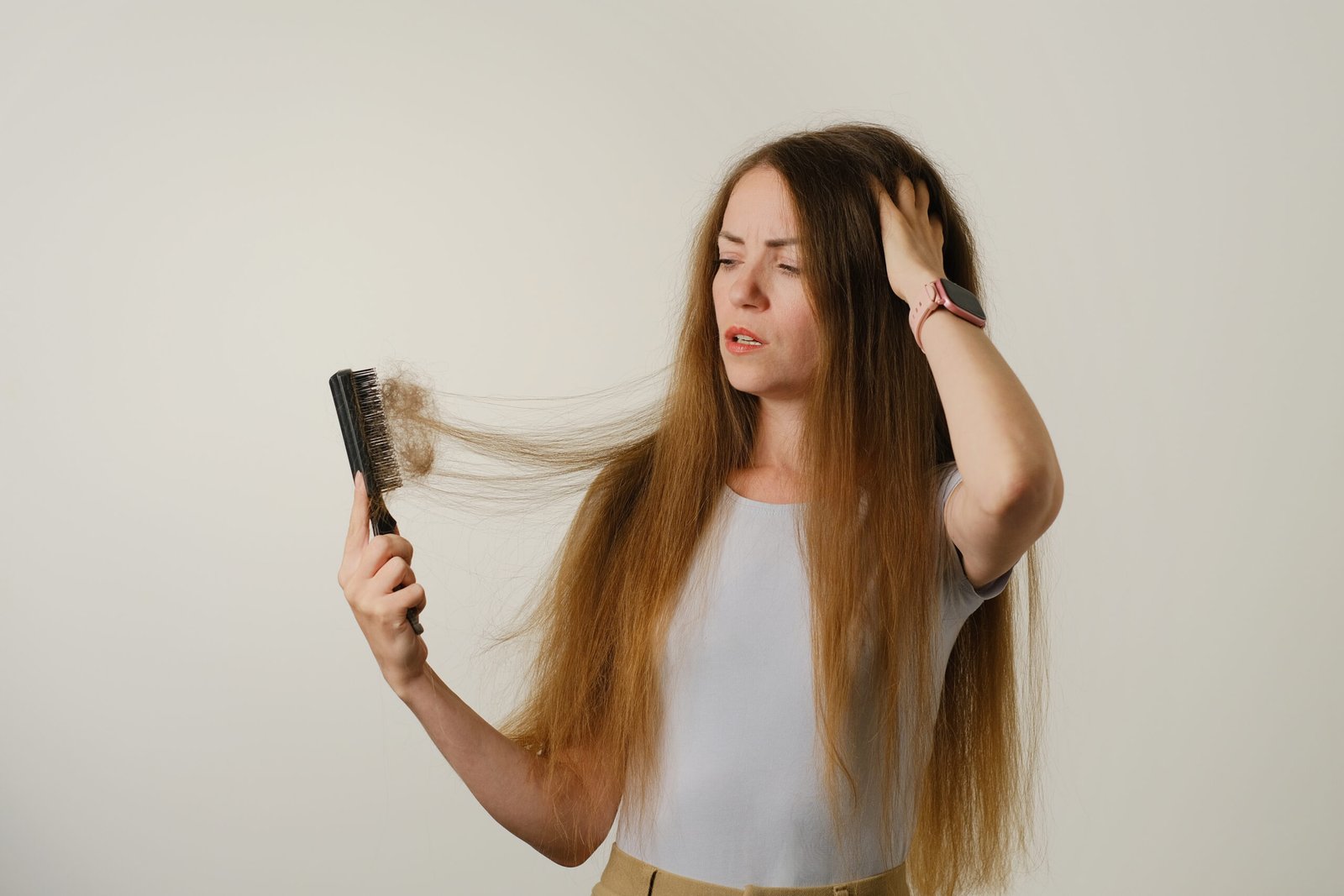
Healthy hair is an important part of overall personal care, but common concerns such as hair fall, dandruff, dryness, split ends, and scalp irritation can affect people of all ages. These problems may develop due to genetics, nutritional deficiencies, hormonal changes, environmental factors, or unsuitable hair care habits.
Understanding the causes of these concerns is the first step towards managing them effectively. Following a suitable hair care routine and seeking professional guidance when necessary can help maintain healthier hair. Consulting the best hair care clinic in Chennai can also help identify underlying hair and scalp concerns and explore appropriate treatment options.
1. Excessive Hair Fall
Hair shedding is a normal part of the hair growth cycle. However, excessive or persistent hair fall may indicate an underlying issue.
Common causes:
- Nutritional deficiencies.
- Hormonal changes.
- Stress and inadequate sleep.
- Genetic hair loss.
- Certain medical conditions or medications.
Possible solutions:
- Maintain a balanced diet with adequate protein and essential nutrients.
- Avoid tight hairstyles and excessive heat styling.
- Use gentle hair care products.
- Manage stress and maintain a regular sleep schedule.
- Consult a dermatologist if hair fall continues or becomes noticeable.
A dermatologist can assess the cause and recommend suitable options, including medical treatments when necessary.
2. Dandruff and Scalp Flaking
Dandruff is a common scalp concern that causes visible flakes and may be accompanied by itching. It is often associated with seborrheic dermatitis and can vary in severity.
Common causes:
- Seborrheic dermatitis.
- Scalp sensitivity.
- Excess oil production.
- Certain yeast-related scalp changes.
- Irritation from unsuitable hair products.
Possible solutions:
- Use an appropriate anti-dandruff shampoo.
- Avoid scratching the scalp.
- Wash your hair according to your scalp’s needs.
- Avoid products that trigger irritation.
- Seek medical advice if flaking or itching persists.
A dermatologist can determine whether the problem is ordinary dandruff or another scalp condition that needs specific treatment.
3. Dry and Brittle Hair
Dry hair may feel rough, look dull, and become more prone to breakage. It can result from environmental exposure, excessive washing, heat styling, or chemical treatments.
Common causes:
- Frequent use of hair straighteners and dryers.
- Repeated colouring or chemical treatments.
- Harsh shampoos.
- Excessive sun exposure.
- Inadequate conditioning.
Possible solutions:
- Use a mild shampoo suited to your scalp.
- Apply conditioner after washing.
- Limit heat styling and chemical treatments.
- Use a suitable heat protectant when styling.
- Detangle gently to reduce breakage.
Consistent care can improve hair softness and manageability.
4. Split Ends
Split ends occur when the protective outer layer of the hair strand becomes damaged, causing the ends to separate. They are commonly associated with dryness, friction, and repeated styling.
Common causes:
- Frequent heat exposure.
- Chemical treatments.
- Rough brushing.
- Tight hairstyles.
- Environmental damage.
Possible solutions:
- Trim damaged ends regularly.
- Use conditioner to reduce friction.
- Avoid excessive heat styling.
- Use a wide-tooth comb to detangle hair gently.
- Protect hair from unnecessary chemical processing.
Once a hair strand splits, trimming is the reliable way to remove the damaged portion. Hair products may temporarily improve its appearance but cannot permanently repair split ends.
5. Oily Scalp and Greasy Hair
An oily scalp develops when sebaceous glands produce excess sebum. This can make hair look greasy and may contribute to product buildup.
Common causes:
- Naturally higher sebum production.
- Hormonal fluctuations.
- Infrequent or unsuitable cleansing.
- Heavy styling products.
- Individual scalp characteristics.
Possible solutions:
- Wash your hair as often as needed for your scalp type.
- Choose a suitable shampoo.
- Avoid applying heavy oils directly to an already oily scalp.
- Clean brushes and combs regularly.
- Avoid excessive product application.
If oiliness occurs alongside persistent itching, redness, or scaling, consult a dermatologist.
6. Scalp Itching and Irritation
An itchy scalp can be uncomfortable and may interfere with daily activities. It can result from dryness, dandruff, allergic reactions, or inflammatory skin conditions.
Common causes:
- Dandruff.
- Contact dermatitis from hair products.
- Scalp infections.
- Dry skin.
- Other inflammatory conditions.
Possible solutions:
- Identify and stop using products that cause irritation.
- Avoid scratching the affected area.
- Use gentle scalp care products.
- Seek professional evaluation if itching continues.
- Follow prescribed treatment when a scalp condition is diagnosed.
Persistent irritation should not be ignored, particularly when accompanied by redness, pain, swelling, or hair loss.
7. Thinning Hair and Reduced Hair Density
Hair thinning may develop gradually and can affect both men and women. It may be related to hereditary factors, hormonal changes, nutritional deficiencies, or certain medical conditions.
Common causes:
- Hereditary hair loss.
- Hormonal changes.
- Thyroid disorders.
- Nutritional deficiencies.
- Certain scalp conditions.
Possible solutions:
- Identify the underlying cause through professional assessment.
- Maintain a balanced diet.
- Avoid hairstyles that repeatedly pull on the roots.
- Follow prescribed hair loss treatments consistently.
- Attend follow-up consultations to monitor progress.
Depending on the diagnosis, a dermatologist may discuss medical treatments or procedures such as platelet-rich plasma (PRP) therapy for suitable individuals.
8. How to Maintain Healthy Hair
A consistent routine can help reduce avoidable hair damage and support scalp health.
Here are some useful habits:
- Choose suitable products: Select shampoos and conditioners based on your scalp and hair type.
- Maintain good nutrition: Include adequate protein, iron, and other essential nutrients in your diet.
- Avoid excessive styling: Reduce frequent heat exposure and chemical treatments.
- Keep your scalp clean: Follow a washing routine suited to your needs.
- Handle hair gently: Avoid aggressive brushing and towel drying.
- Manage stress: Maintain adequate sleep and a balanced lifestyle.
- Seek timely advice: Consult a dermatologist for persistent or unusual hair concerns.
When Should You Consult a Dermatologist?
Home care may help manage minor dryness or styling-related damage, but some hair problems require medical evaluation.
Consider consulting a dermatologist if you experience:
- Sudden or excessive hair shedding.
- Visible bald patches.
- Gradual thinning or a widening hair part.
- Persistent dandruff or severe scalp itching.
- Scalp redness, pain, or inflammation.
- Hair loss that continues despite routine care.
A dermatologist can examine the scalp, review your medical history, and recommend investigations or treatments based on the findings.
Common Hair Care Mistakes to Avoid
Some everyday habits can worsen hair problems or delay appropriate treatment.
- Using multiple hair products without understanding their ingredients.
- Applying excessive heat during styling.
- Taking supplements without confirming a nutritional deficiency.
- Scratching or aggressively massaging an irritated scalp.
- Ignoring persistent hair fall or scalp symptoms.
- Expecting immediate results from hair growth treatments.
Choosing a simple, consistent routine and seeking professional advice when needed can help prevent unnecessary damage.
Conclusion
Common hair care problems such as hair fall, dandruff, dryness, split ends, and scalp irritation can have different causes and require different solutions. Understanding your hair and scalp needs, following suitable daily habits, and seeking timely professional guidance are important steps towards maintaining healthy hair.
At Dermipure Dermaclinic, individuals can seek professional guidance for hair loss, scalp conditions, and other hair-related concerns. A personalised assessment can help identify the underlying issue and explore suitable care and treatment options.