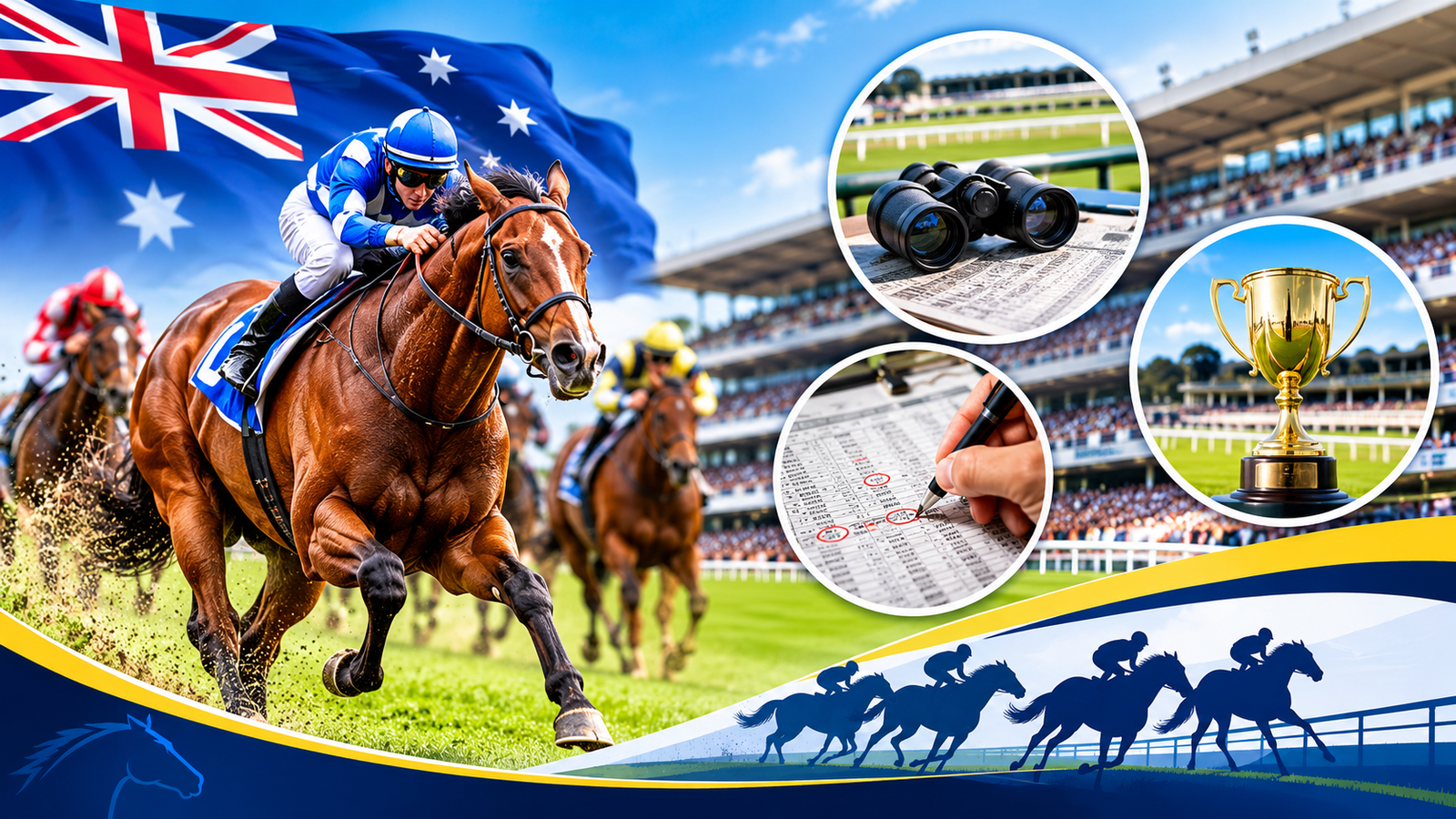
Horse racing is an exciting sport that attracts enthusiasts who enjoy studying race results, horse performances, jockey strategies, and competitive events. Across Australia, numerous racing competitions provide opportunities to observe different horses, trainers, and racing environments. However, understanding horse racing requires more than simply checking finishing positions or following popular opinions.
Accurate race analysis involves examining several factors, including horse fitness, recent performance, track conditions, race distance, and jockey experience. Overlooking these details can lead to an incomplete understanding of a race.
Whether you are a regular racing follower or someone interested in learning more about Australian horse racing, avoiding common analysis mistakes can help you develop a better understanding of the sport.
1. Ignoring Recent Horse Performance
One common mistake is focusing entirely on a horse’s previous achievements without considering its latest performances. A horse that performed exceptionally well several months ago may have different fitness levels or competitive form today.
Recent performance provides useful information about a horse’s current condition, consistency, and ability to compete.
When reviewing race records, examine the horse’s latest results and consider how it performed against similar competitors. Pay attention to its finishing position, running speed, and overall consistency rather than relying only on previous victories.
2. Overlooking Track Conditions
Track conditions play an important role in determining how horses perform during a race. Weather conditions, moisture levels, and racing surface quality can influence speed, stamina, and movement.
Australian racing venues experience different weather patterns, resulting in varying track conditions. Some horses perform better on firm surfaces, while others demonstrate stronger performances on soft or heavy tracks.
Reviewing official track reports and previous performances under similar conditions can provide a better understanding of how horses respond to different racing environments.
3. Focusing Only on Popular Horses
Popular horses often receive significant attention because of their previous achievements, reputation, or competitive history. However, popularity does not necessarily reflect current performance.
Every horse has individual strengths, weaknesses, and racing characteristics. Evaluating runners based on recent results, fitness, race distance, and track suitability provides a more balanced perspective.
Instead of concentrating only on well-known competitors, take time to understand the performance records of all participating horses.
4. Neglecting Jockey and Trainer Performance
Jockeys and trainers contribute significantly to a horse’s preparation and competitive performance. Their experience, racing knowledge, and previous achievements can provide valuable information.
A jockey’s familiarity with a particular horse, experience at a specific racing venue, and ability to manage different race situations are important considerations.
Similarly, trainer statistics can help observers understand preparation methods and performance consistency. Reviewing jockey and trainer records alongside horse performance creates a broader picture of the competitive environment.
5. Ignoring Race Distance and Running Style
Different horses have different running styles and physical capabilities. Some horses demonstrate strong performances over shorter distances, while others are better suited to longer races that require greater stamina.
For example, a horse that performs consistently over 1,200 metres may respond differently when competing over 2,000 metres.
Running styles are equally important. Some horses prefer leading from the beginning, while others perform better when positioned behind competitors before accelerating during the final stages.
Understanding these characteristics helps racing enthusiasts evaluate performances more effectively.
6. Relying on Unverified Racing Information
The internet provides access to numerous racing websites, social media platforms, discussion forums, and sports publications. However, not every source provides accurate or updated information.
Outdated race results, incorrect statistics, and incomplete performance records can create confusion.
Always prioritise credible information sources, including official racing authorities, verified race results, recognised publications, and established sports information platforms.
Checking the accuracy and publication date of racing information is an important step towards developing reliable knowledge about the sport.
7. Overlooking Race Conditions and Competition
Every horse race has its own competitive environment. The number of runners, starting positions, race pace, and competition level can influence individual performances.
A horse may achieve an excellent result in one event but face stronger competition in another.
Understanding the overall race conditions helps explain differences in performance. Reviewing race footage can also reveal positioning difficulties, changes in pace, and other important moments that may not be visible in standard result summaries.
8. Making Judgements Based on Assumptions
Another common mistake is forming opinions without examining sufficient information. Personal preferences, familiar horse names, and isolated results can influence how people interpret racing performances.
A more objective approach involves comparing available statistics, reviewing previous races, and considering different performance factors.
It is also important to recognise that horse racing involves uncertainty. Even well-prepared horses can experience unexpected challenges during competition.
Maintaining realistic expectations and focusing on verified information helps develop a more balanced understanding of racing events.
9. Failing to Compare Multiple Information Sources
Depending on a single website or publication can limit the amount of information available for race analysis.
Different sources may provide useful details about horse history, jockey performance, trainer records, track conditions, and upcoming racing events.
Comparing information from credible sources helps identify important performance patterns and provides a more complete understanding of Australian horse racing.
However, always prioritise accuracy and relevance rather than collecting large amounts of unnecessary information.
Explore Australian Horse Racing News and Updates
Staying informed about Australian horse racing developments is an excellent way to understand the sport and its competitive environment. Regular race updates, horse performance reviews, jockey information, and industry news can provide valuable insights for racing enthusiasts. Visit Australian Horse Racing News and Tips to explore racing-related articles, event updates, performance information, and insights into Australia’s thoroughbred racing industry.
Conclusion
Understanding horse racing requires careful observation, reliable information, and consistent performance analysis. Common mistakes such as ignoring recent horse form, overlooking track conditions, focusing only on popular competitors, and relying on unverified information can limit an individual’s understanding of the sport.
Australian horse racing offers many opportunities to learn about different horses, jockeys, trainers, and racing environments. By examining verified results, comparing performance records, and following credible racing publications, enthusiasts can develop a deeper appreciation of the sport and its competitive nature.