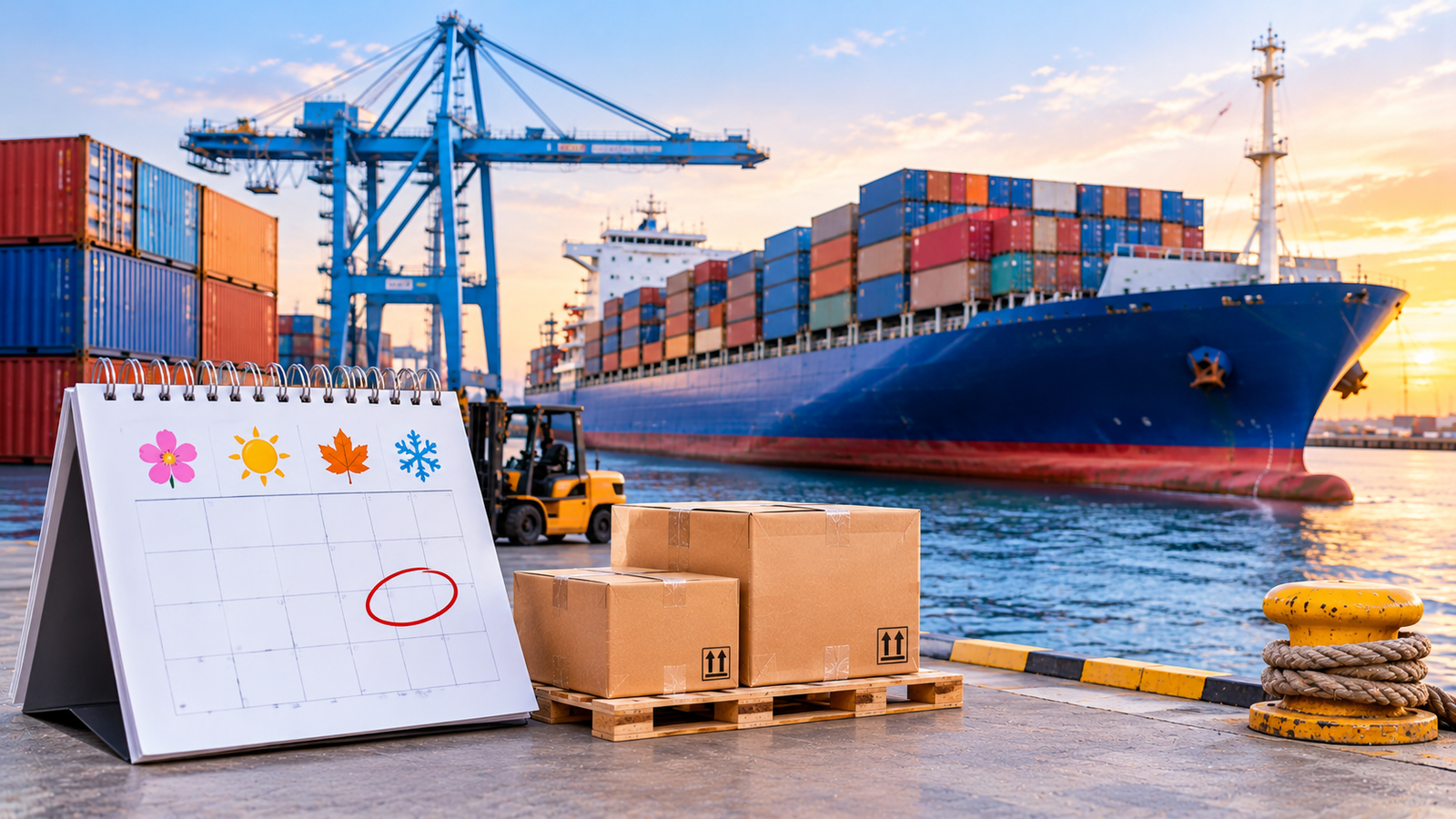
Imagine a UK-based retailer preparing a large shipment of clothing for the winter shopping season. The goods are packed, the paperwork is ready, and customers are already waiting for new stock. However, when the retailer contacts the shipping company, available container space is limited, and the next departure does not match the expected delivery date.
Situations like this can happen when international shipping demand increases during particular months. Sea Freight Shipping is influenced by retail seasons, manufacturing schedules, holidays, and agricultural production. These changes can affect container availability, freight prices, port operations, and delivery times.
Understanding these seasonal patterns helps businesses prepare shipments earlier, manage transportation costs, and avoid unnecessary delays.
“Good shipping plans begin before demand reaches its busiest point.”
Why Does Cargo Demand Increase During Certain Seasons?
Cargo demand often rises when businesses prepare for important selling periods. Retailers may order additional products before Christmas, winter, or other seasonal events. Manufacturers also arrange shipments according to production schedules and customer requirements.
For example, clothing businesses may import winter collections before colder months begin. Gift retailers may increase orders several weeks before the year-end shopping period.
These activities create additional demand for shipping space. When many businesses arrange transportation simultaneously, containers and vessel bookings can become harder to secure.
How Do Peak Seasons Affect Container Availability?
Shipping companies have a limited number of containers and vessel spaces available on each route. During busy periods, several exporters may compete for the same transportation capacity.
This can make it difficult to secure a preferred departure date. Container availability may also be affected when equipment takes longer to unload, return, and reposition.
Businesses should confirm container availability before their goods are ready for collection. Early planning provides more time to arrange suitable space and consider alternative departure dates if necessary.
What Causes Freight Rates to Change During Busy Periods?
Freight prices can change when shipping demand increases or operating conditions become more difficult. Shipping lines consider available capacity, fuel expenses, equipment availability, and route conditions when setting their rates.
Some common factors include:
- Higher demand for container space.
- Shortages of empty shipping containers.
- Increased fuel and operating expenses.
- Congestion at major ports.
- Changes to vessel schedules.
- Additional seasonal surcharges.
These factors do not affect every route equally. Businesses should compare current quotations and check whether additional charges apply before confirming a booking.
Which Times of the Year Can Influence Sea Freight Activity?
Different industries experience busy shipping periods at different times. The timing also depends on the destination market and the products being transported.
Some common examples include:
- Chinese New Year: Factory closures and earlier shipments can influence container demand.
- Spring and summer: Businesses prepare stock for seasonal retail demand.
- Back-to-school periods: Retailers arrange additional clothing, stationery, and electronics.
- Autumn: Companies begin preparing inventory for year-end sales.
- Christmas: Gift products and decorations create additional shipping requirements.
- Agricultural harvests: Seasonal production can increase demand for cargo transportation.
- Ramadan and Eid: Businesses may arrange additional shipments of clothing and household products.
These are general patterns, not fixed peak periods for every shipping route.
How Does Seasonal Demand Affect Port Operations?
Ports handle large volumes of containers that must be received, stored, inspected, and loaded onto vessels. When cargo volumes increase, these activities can become more demanding.
A busy terminal may experience longer waiting times, while delayed vessels can affect the schedules of other ships. Weather conditions and labour disruptions can create further complications.
According to UNCTAD’s Review of Maritime Transport 2025, port congestion and vessel disruptions can reduce effective shipping capacity and contribute to freight rate increases. <escape> </escape><text></text>
For exporters, this means that the estimated sailing time should not be treated as a guaranteed delivery date. Extra time should be allowed for port handling and customs clearance.
How Can a Cargo Service From the UK to Pakistan Manage Seasonal Shipments?
International shipments require coordination between collection, container arrangements, departure schedules, and destination delivery. A cargo service from the UK to Pakistan should explain these arrangements clearly, particularly when demand is higher than usual.
Before booking, senders should discuss the expected shipment date, available transportation options, and estimated delivery schedule.
It is also useful to confirm whether the service includes collection, packaging, customs clearance assistance, and delivery within Pakistan. These details help both the sender and receiver understand what happens at each stage.
Clear communication can reduce confusion when departure schedules change, or additional handling arrangements become necessary.
Why Should Businesses Book Their Shipments in Advance?
Consider a retailer who needs new inventory before the Christmas shopping season. If the business waits until the last moment, it may have fewer departure options and less time to deal with unexpected delays.
Booking early gives businesses more time to compare quotations, prepare documents, and arrange suitable container space.
However, early booking does not guarantee an exact arrival date. Vessel schedules, port conditions, and weather can still affect transportation. Businesses should maintain some flexibility when planning important deliveries.
How Do Shipping Companies Adjust Capacity During Seasonal Changes?
Shipping companies monitor booking volumes and adjust their operations according to market demand. Depending on conditions, they may introduce additional sailings, change vessel deployment, or modify port schedules.
They may also use blank sailings, which means cancelling a planned vessel departure. This can reduce available shipping options even when businesses are ready to dispatch their goods.
Maersk’s peak-season logistics guidance also identifies limited capacity, higher transportation costs, and warehouse pressure as common challenges during busy shipping periods.
“Shipping capacity depends on demand as well as operational conditions.”
What Should Exporters Check Before Sending Seasonal Cargo?
Before dispatching goods, exporters should review their shipment details and confirm that everything is ready for transportation.
Important checks include:
- Packaging: Make sure products are protected for international handling.
- Documentation: Prepare accurate invoices and packing lists.
- Cargo dimensions: Confirm the weight and volume of the shipment.
- Freight charges: Check whether seasonal surcharges apply.
- Customs requirements: Review applicable import restrictions and taxes.
- Insurance: Consider suitable protection for valuable goods.
- Delivery schedule: Allow additional time for possible delays.
Preparing these details early can reduce avoidable problems during busy shipping periods.
How Can Businesses Reduce Seasonal Shipping Problems?
Seasonal demand cannot be controlled, but businesses can prepare for its effects. Reviewing previous shipping patterns and estimating future stock requirements can help companies make better transportation decisions.
Businesses should forecast demand, arrange bookings early, and avoid depending on a single departure date. Keeping communication open with the shipping provider also makes it easier to respond when schedules change.
Where delivery deadlines are particularly important, companies can compare sea freight with other suitable transportation methods. The decision should consider shipment size, urgency, total cost, and product requirements.
Comparison Table: Seasonal Changes and Their Shipping Effects
| Christmas demand | Higher booking volumes | Arrange space early |
| Chinese New Year | Changes in factory schedules | Plan around closures |
| Harvest periods | Increased cargo volumes | Confirm container availability |
| Port congestion | Longer waiting times | Allow extra transit time |
| Severe weather | Vessel schedule changes | Monitor shipment updates |
| Lower-demand periods | More booking flexibility may be available | Compare quotations |
Frequently Asked Questions
1. Why does sea freight become busier during certain months?
Businesses increase shipments before holidays, retail seasons, and agricultural selling periods. This creates additional demand for containers and vessel space.
2. Does seasonal demand increase sea freight prices?
It can. Higher demand and limited capacity may lead to increased freight rates or additional surcharges. Actual prices depend on the route and operating conditions.
3. When should businesses book sea freight during peak seasons?
Businesses should arrange bookings as early as practical and confirm the shipping provider’s booking schedule. Additional time should be allowed for collection and documentation.
4. Can seasonal demand cause shipping delays?
Yes. Higher cargo volumes can contribute to container shortages, port congestion, and limited vessel availability. Weather and schedule disruptions can create further delays.
5. Is sea freight suitable for seasonal products?
Yes. Sea freight can be suitable for larger quantities of seasonal products when businesses have enough time for transportation, customs clearance, and final delivery.
Final Thoughts
Seasonal demand can change how international cargo moves throughout the year. Higher booking volumes, limited container availability, port congestion, and changing freight rates can all influence shipping arrangements.
Businesses can manage these challenges by understanding their delivery requirements, preparing documents early, and arranging transportation before demand reaches its busiest point.
A little preparation can make a significant difference when shipping schedules become crowded. Planning ahead helps exporters manage costs, maintain inventory, and keep their goods moving towards their destination.