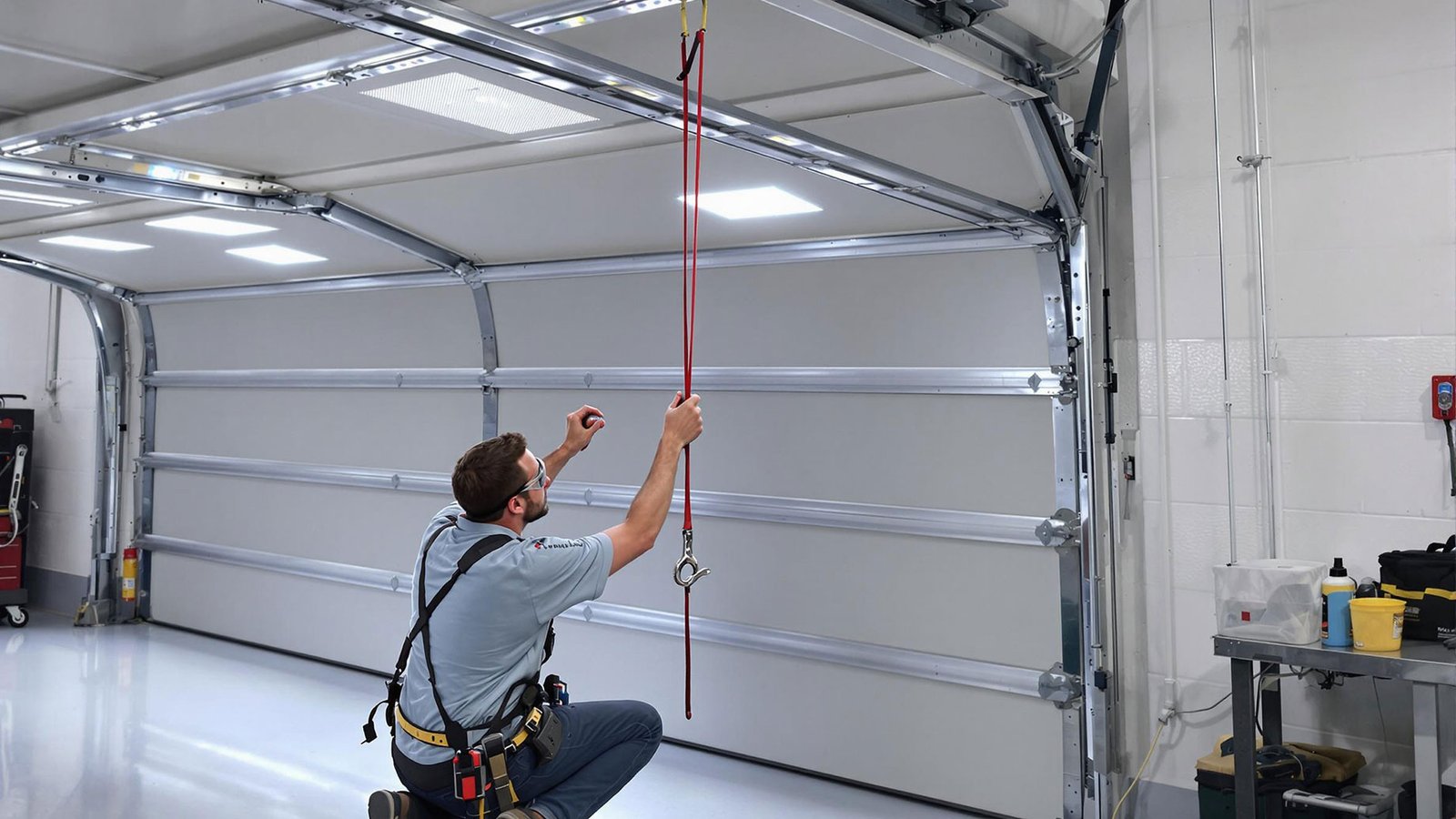
An automatic garage door system depends on a motor that converts electrical energy into mechanical movement. This movement allows the door to open and close through a connected drive mechanism. When the motor or its supporting components develop problems, the door may become slow, noisy, or completely unresponsive. Understanding the different types of faults helps homeowners recognize when garage door motor service is required and what a professional inspection may involve.
Different Types of Garage Door Motor Problems
Internal Mechanical Damage
The motor assembly contains mechanical components that experience repeated movement during normal operation.
Over time, gears, bearings, and other parts may wear down. Damaged gears can prevent the motor from transferring movement effectively to the drive system.
Common symptoms include grinding noises, inconsistent operation, and a motor that runs without moving the door.
In some cases, individual components can be replaced without installing a completely new opener.
Electrical Component Failure
Electrical problems can interrupt the motor’s operation even when its mechanical components remain in good condition.
Damaged wiring, loose connections, faulty circuit boards, and power supply problems may all cause inconsistent performance.
A qualified technician can use appropriate testing methods to identify the affected component.
Drive Mechanism Problems
The motor works with a chain, belt, or screw drive to move the garage door.
A broken belt, loose chain, damaged trolley, or worn drive assembly may prevent the door from moving correctly.
These problems can sometimes be repaired separately from the motor itself.
How a Technician Identifies the Source of a Problem
Professional diagnosis generally begins with an examination of the garage door’s operating behaviour.
The technician may activate the opener and observe its response, movement, and operating sounds.
The motor housing, drive assembly, wiring, control board, and safety features may then be examined.
The door’s mechanical condition should also be considered because excessive resistance can place additional pressure on the motor.
This step-by-step approach helps distinguish between actual motor failure and problems involving other parts of the garage door system.
Understanding Different Opener Drive Systems
Chain Drive Systems
Chain drive openers use a metal chain to move a trolley along a rail.
They are commonly used in residential applications and can provide reliable operation when maintained correctly.
Loose chain tension, worn components, or poor alignment may produce excessive noise.
Belt Drive Systems
Belt drive openers use a reinforced belt to transfer movement.
They generally operate more quietly than traditional chain drive systems.
A damaged or deteriorated belt may affect door movement and require replacement.
Screw Drive Systems
Screw drive openers use a threaded rod to move the connected trolley.
Their performance depends on the condition of the screw assembly and manufacturer-recommended lubrication.
Understanding the drive type helps technicians identify appropriate maintenance procedures and replacement parts.
Repair or Replacement: What Should Homeowners Consider?
A malfunctioning motor does not always require a complete opener replacement.
If the problem involves a replaceable gear, wiring connection, or compatible circuit board, repairing the affected component may be practical.
However, extensive internal damage or repeated breakdowns may make replacement more suitable.
Important considerations include the opener’s age, availability of replacement parts, repair cost, safety features, and expected future reliability.
The final decision should be based on the condition of the equipment rather than assumptions about its age.
The Importance of Safety During Repairs
Garage door openers combine electrical components with powerful mechanical systems.
Internal wiring can present electrical hazards, while springs and cables contain significant stored energy.
Homeowners should avoid opening electrical housings, adjusting spring tension, or attempting repairs involving damaged lifting components.
A professional garage door motor service assessment is particularly important when the system shows signs of electrical overheating or mechanical instability.
What Happens After the Repair?
Once the defective component has been repaired or replaced, the technician should test the opener.
The test may include checking remote and wall control responses, observing the complete operating cycle, and examining the drive mechanism.
Safety sensors and automatic reversal features should also be tested according to manufacturer instructions.
These checks help confirm that the repair has restored normal operation without compromising safety.
Preventing Repeated Motor Problems
Preventive maintenance can reduce unnecessary stress on the opener.
Keep the garage door tracks clear, observe whether the door moves evenly, and pay attention to changes in operating noise.
Do not continue using the system if it repeatedly stops or becomes unusually hot.
Following the manufacturer’s maintenance recommendations and arranging professional assessment when problems appear can help maintain dependable operation.
Conclusion
Garage door motor problems can develop through mechanical wear, electrical faults, or damage to the connected drive system. Understanding the differences between these issues helps homeowners make better decisions about maintenance and repair. Timely first garage door motor service focuses on identifying the original cause, selecting compatible replacement components, and testing the complete system to support safe and consistent garage door operation.