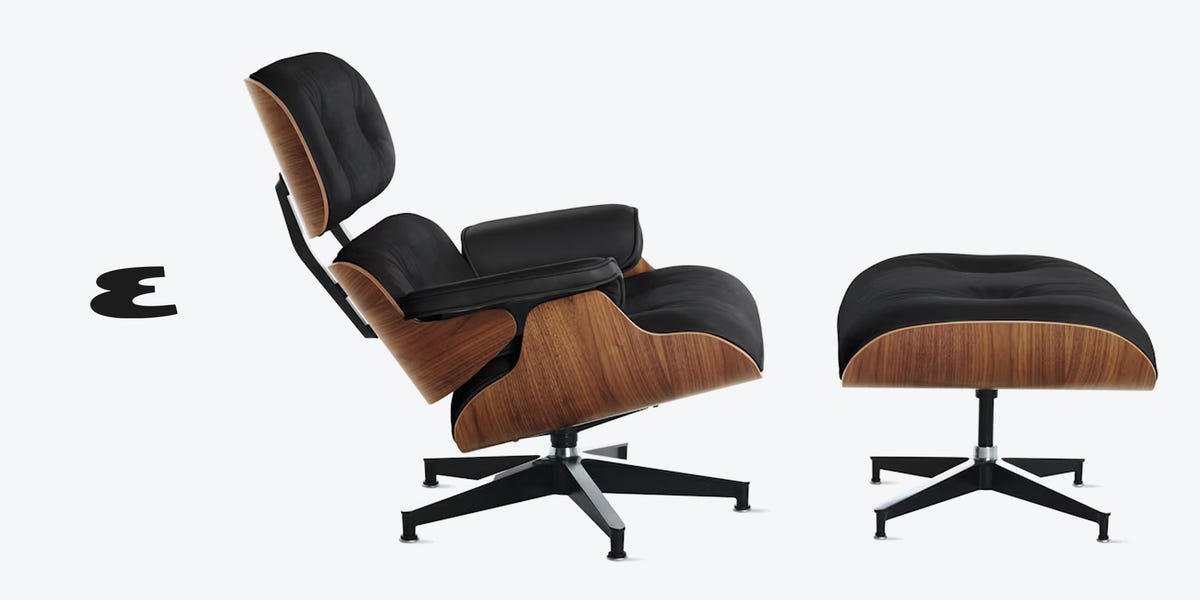
A client settles into the seat, crosses one leg over the other, and leans toward the mirror to look at her fringe. The stylist, comb in one hand and scissors in the other, shifts position without a second thought. Whether that moment passes smoothly depends on something neither of them is looking at, which is the base. A salon chair gets noticed for its upholstery and its shape, yet the part resting against the floor decides how steady every service feels.
Where Stability Begins in a Salon Chair
Everything in the chair is stacked on the base. The seat sits on the hydraulic pump, the pump is housed in the base, and the base is the only part that touches the floor. A client’s weight moves down through the seat, along the pump, and spreads outward across the base before it reaches the ground. If one link in that path is loose or poorly fitted, the chair shows it first as a faint wobble and later as wear in the parts around it.
Floor contact deserves as much attention as the base itself. A base that sits evenly gives the weight a clear route to the ground. One that rocks on an uneven tile or rests on a damaged foot passes the load unevenly, and the whole chair slowly settles into a lean.
What Everyday Movement Asks of the Base
A base is rarely tested by weight alone. It is tested by movement. Think about how often a chair is turned during a single haircut. The stylist spins it a quarter turn to reach the back, then returns it, sometimes several times a minute. Each turn sends a sideways force through the pump and into the base.
Height changes add another kind of load. When the chair is pumped up, the seat sits higher above the floor, so any small lean has more leverage. Clients lean too, reaching for a bag, tilting toward a phone, or tipping forward to inspect a cut.
Then there are the two moments that put the most stress on the chair: sitting down and standing up. People often drop into the seat, push off the armrest, or grip the side to rise. At that point the chair is taking an unplanned push from one direction, and a sound base keeps it planted while the person finds their balance.
How Base Shape and Construction Affect Balance
Several details work together to keep a chair steady: the shape of the base, its width, the material it is made from, how it is built, and how its feet meet the floor. A wider footprint can give more resistance to tipping, but width is only one factor. A broad base made from thin material or finished poorly may feel less steady than a more compact one that is solid and well assembled.
Material and construction decide how the base handles repeated stress. Welds, joints, and the point where the pump enters the base all carry load every day. The floor matters too. Smooth tile, vinyl, and carpet each grip differently, so the same base can feel firm in one corner of a salon and slightly loose in another. A better question than which salon chair has the widest base is whether the base, pump, and seat suit each other and the room where they will be used.
What an Unstable Base Does During a Working Day
Instability rarely announces itself with a dramatic tip. It shows up in small, irritating ways. The chair drifts a few centimetres when the client shifts. It rocks slightly when the stylist leans in. The seat settles to one side, so the client sits a little crooked and the stylist has to work around an uneven head position instead of a level one.
These small things interrupt the work. A stylist who has to steady the chair with a foot or a hand loses a moment of attention at a point where precision matters, such as a fringe or a sharp line. Clients notice, too. Someone who feels the seat shift beneath them tends to grip the armrests and sit stiffly, which makes the service harder for everyone. Over time, a salon chair that feels slightly unsure can wear down the confidence clients place in the whole business, even if they never say why.
How Different Services Move the Chair
Not every service moves a chair in the same way. Haircuts involve frequent spins and small nudges as the stylist circles the client. Colouring keeps the client seated for longer, so there is more shifting, leg crossing, and reaching for drinks or magazines over an hour or more. Styling often has the stylist pressing or leaning against the chair while working on the back and sides. Services where the client is tilted back, or where the chair is raised high for a long stretch, concentrate the load differently again. A base that feels fine for ten minutes can show its limits over a long appointment.
A Strong Base Cannot Do the Job Alone
As with most salon furniture, the chair works as a system. The hydraulic pump controls height and carries the vertical load, so a pump that sinks, jerks, or sits loosely in its housing will undermine even a solid base. Fastenings that join the seat to the pump, and the pump to the base, need to stay tight under repeated turning. The seat structure beneath the cushioning matters as well, because a weak frame can flex and shift weight in ways the base was never meant to handle. A sturdy base paired with a tired pump or loose fittings still gives an unsteady chair, which is why stability should be judged across the whole build.
Signs a Chair Base Needs Attention
Changes in how a chair feels are often the first clue. Look out for rocking that was not there before, a creak when the chair turns, a seat that tilts when someone sits down, or a chair that drifts across the floor more than usual. Visible signs count as well: cracks, bent sections, rust, worn or missing feet, and fastenings that have backed out slightly.
A simple routine helps. Press down on the seat and gently push it from different sides, checking for play. Carefully tilt the chair to look at the underside of the base. Tighten any accessible fastenings, and clear hair and product buildup from around the pump and base joint, since debris can hide wear. If something looks cracked or the movement feels uneven, take the chair out of use and ask the manufacturer or a qualified repairer to check it.
To Read More Blog: How Clear and White Packaging Helps Products
How to Assess a Salon Chair Before You Buy
If possible, test the chair in person. Place it on a flat floor and check whether it sits evenly without rocking. Sit in it, shift your weight, lean to each side, and rise from it the way a client would. Turn it through a full circle, then raise and lower it, noting any wobble, noise, or hesitation. Look at the underside to see how the base is joined to the pump and how neatly the welds or joints are finished. Check the feet or floor contact points, and think about the surface in your own salon.
Then ask questions. The manufacturer should be able to explain the construction, the warranty terms, and the care the chair needs, and to state any weight limits in writing. Be cautious about vague claims. If the answers are unclear or missing, treat that as useful information about the product.
Why a Dependable Base Matters Every Day
A client sitting down, turning, leaning, and standing up again is ordinary work, repeated many times a day. A dependable base lets all of it happen without anyone thinking about the chair. When you choose or maintain a salon chair, comfort, adjustability, and appearance all deserve attention, but they work best when the base and the rest of the build are sound underneath. Check the base, check what it is connected to, and keep checking it.
FAQs
What makes a salon chair base stable?
Stability comes from the combination of base shape, width, material, construction quality, and even floor contact, working together with a well-fitted pump and tight fastenings. No single feature guarantees it.
Does a wider chair base provide better balance?
A wider footprint can help resist tipping, but it is not a guarantee. Construction quality, material, and how weight is carried through the pump matter just as much.
How does the hydraulic pump affect chair stability?
The pump carries the vertical load and connects the seat to the base. If it is loose, worn, or sinking, the chair may wobble or settle unevenly even when the base itself is sound.
What are the signs of a loose or damaged chair base?
Rocking, creaking, drifting, a tilted seat, cracks, rust, worn feet, and loose fastenings are common warning signs.
How often should salon chair bases be inspected?
A quick visual and hands-on check once a week suits a busy salon, with a closer look whenever the chair feels different. Follow the manufacturer’s guidance where it is provided.