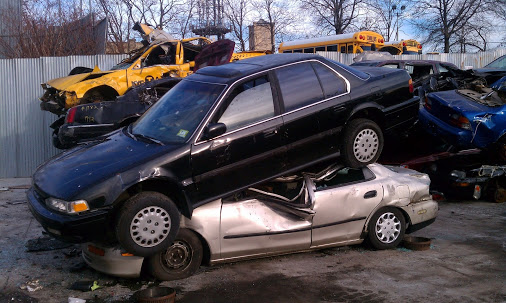
A written-off vehicle is a car that an insurance company has decided is not worth repairing. This decision is usually based on repair costs compared to the car’s market value. If fixing the damage costs more than the car is worth, the vehicle is declared a write-off.
There are two main types of write-offs in Australia:
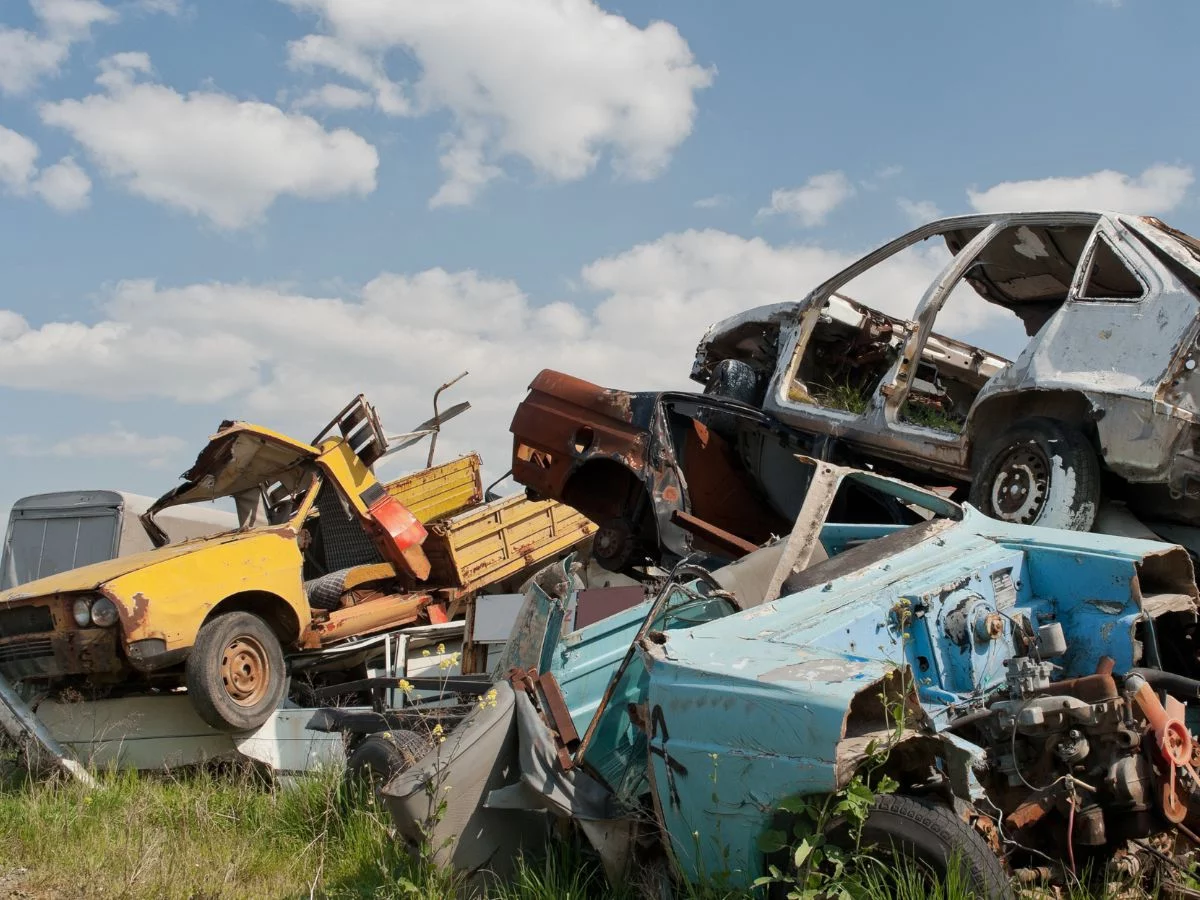
- Statutory write-off: This car can never return to the road. It is often badly damaged, burnt, or unsafe.
- Repairable write-off: This car can be fixed and re-registered after passing strict checks.
This system helps keep unsafe vehicles off the road and protects drivers.
How Do Cars End Up as Write-Offs?
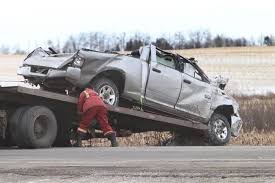
Many events can lead to a car being written off. Road accidents are the most common cause. Even a crash at low speed can cause serious structural damage. Floods, fires, and storms can also destroy vehicles.
In Australia, weather plays a big role. Floodwaters can damage engines, wiring, and interiors. Salt water is even worse, as it causes rust that spreads fast. Insurance companies assess all these risks before making a final call.
Learn more about scrap metal services here: https://www.metalbiz.com.au/scrap-metal/
The First Step After the Decision
Once a car is written off, it is removed from the owner’s possession. The insurer takes control of the vehicle. It is then listed on the Written-Off Vehicle Register (WOVR). This record stays with the car for life.
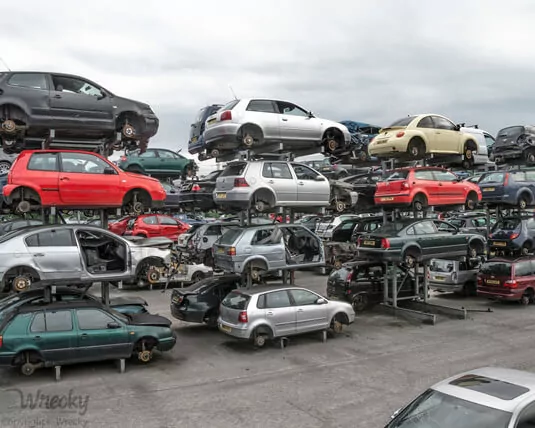
The car is then moved to a holding yard. From there, it is sold, dismantled, or recycled depending on its condition.
Auction Yards: The Next Stop
Many written-off vehicles are sold through auctions. These auctions are open to licensed buyers, mechanics, and wreckers. Some repairable cars are bought by skilled rebuilders.
Buyers inspect the damage and decide if the car is worth fixing. This process is not random. It requires knowledge of repair costs, parts, and labour.
Some cars are repaired and return to the road. Others are stripped for parts.
The Role of Auto Wreckers
Auto wreckers play a key role in the life cycle of written-off vehicles. They dismantle cars and recover usable parts. Engines, gearboxes, doors, and even small components can be reused.
This process reduces waste. It also helps car owners find spare parts at lower cost. Recycling metal and parts lowers the need for new manufacturing, which reduces environmental impact.
Recycling and Environmental Impact
A large part of a written-off car can be recycled. Steel, aluminium, and plastics are separated and processed. Fluids such as oil and coolant are drained and disposed of in a safe way.
Recycling helps reduce landfill waste. It also cuts down energy use. Producing new metal requires more energy than recycling existing material.
In Australia, strict rules guide how vehicles are dismantled and recycled. These rules protect the environment and workers.
Can a Written-Off Car Return to the Road?
Yes, but only if it is a repairable write-off. The process is strict. The car must be repaired to a safe standard. After repairs, it must pass inspections.
These checks include identity verification and roadworthiness tests. The aim is to ensure the car is safe for public roads.
Even after approval, the car’s history remains on record. Buyers can check this history before purchase.
Risks of Buying a Repaired Write-Off
Buying a repaired write-off can be risky. The price may be lower, but there are concerns to consider.
- Hidden damage may remain.
- Insurance options may be limited.
- Resale value is often lower.
Buyers must inspect the car carefully. A trusted mechanic should assess the vehicle before purchase.
Economic Value in Written-Off Cars
Written-off cars still hold value. Parts can be sold, metals can be recycled, and some cars can be rebuilt. This creates a secondary market.
This market supports jobs in wrecking yards, recycling plants, and repair workshops. It also helps reduce waste and supports a circular economy.
A Practical Link to Car Disposal Services
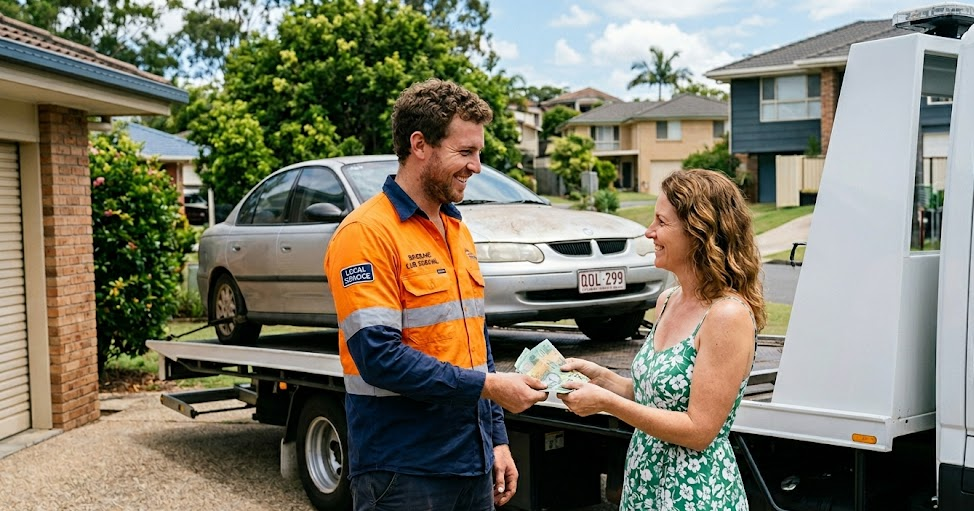
For car owners, dealing with a written-off vehicle can feel confusing. This is where services like cash for cars in Brisbane come into play. Companies such as Metal Biz offer a way to sell damaged or unwanted vehicles without delay, check it out. Instead of letting a car sit unused, owners can turn it into cash while ensuring it enters the correct recycling or dismantling process. This connects directly with the wider journey of written-off vehicles, where each car still has a role even after it leaves the road.
Legal Controls and Safety Measures
Australia has strict laws for written-off vehicles. The Written-Off Vehicle Register keeps track of every case. This prevents stolen cars from being re-registered under false identities.
Each state has its own rules, but the goal is the same: safety and transparency. Inspections are detailed, and records are clear.
These systems protect buyers and ensure that unsafe cars do not return to the road.
The Human Side of the Story
Behind every written-off car is a story. It may have been a family vehicle, a first car, or a work ute. Losing a car can be stressful, even if insurance covers the cost.
The process of writing off a vehicle is not just about numbers. It also affects daily life. People need transport for work, school, and daily tasks.
Understanding what happens next can make the situation easier to handle.
Technology and the Future of Vehicle Recovery
New technology is changing how vehicles are assessed and processed. Digital tools help insurers estimate repair costs with more accuracy. Data systems track vehicle history in real time.
Electric vehicles bring new challenges. Their batteries require special handling. Recycling methods are also changing to deal with new materials.
As technology grows, the process will keep improving.
Conclusion
A written-off vehicle does not simply end up as waste. Its journey continues through auctions, wreckers, and recycling plants. Some cars return to the road, while others provide parts or raw materials.
This system supports safety, reduces waste, and keeps valuable resources in use. Understanding this journey shows that even a damaged car still has purpose beyond the junkyard.