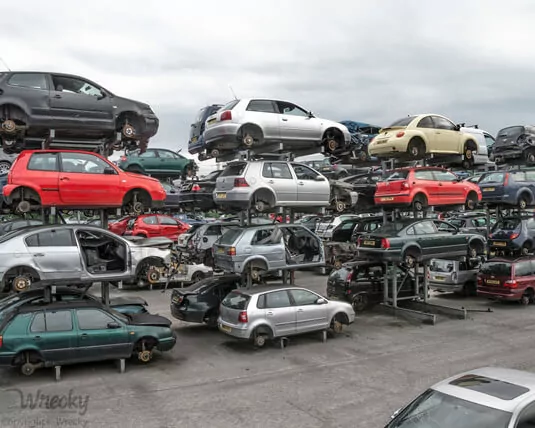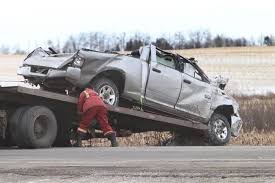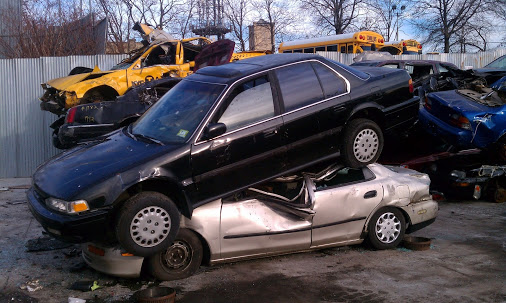
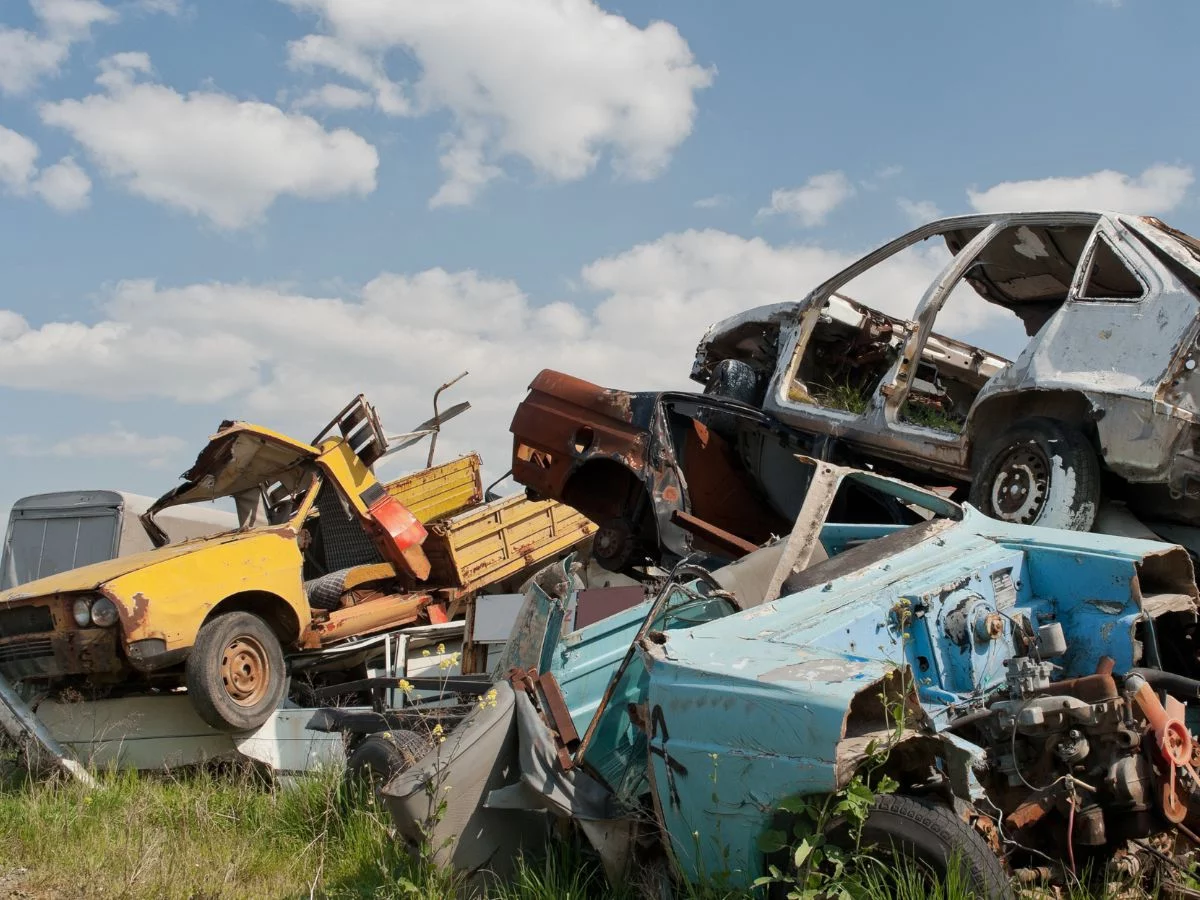
Every year, many cars reach the end of their life. Some are damaged in accidents. Others stop working after long use. Many people see these cars as waste. Scrap yards see them in a different way. They treat each wrecked car as a source of useful materials.
Scrap yards play a key role in recycling. They help reduce waste. They also help save natural resources. This article explains how scrap yards turn damaged cars into valuable resources.
What Happens When a Car Reaches a Scrap Yard
When a wrecked car arrives, the process begins with inspection. Workers check the condition of the vehicle. They look for parts that can still be used. They also check for any harmful fluids or materials.
The car is then moved to a safe area. From here, it goes through several steps. Each step focuses on recovering useful items.
Draining Fluids Safely
Cars contain many fluids. These include oil, fuel, brake fluid, and coolant. These fluids can harm the environment if not handled well.
Workers drain all fluids from the car. They store each type in separate containers. Some fluids can be cleaned and reused. Others are sent for safe disposal. This step helps protect soil and water.
Removing Usable Parts
Many parts in a wrecked car still work well. These parts can be used again in other vehicles. Workers remove items such as:
- Engines
- Gearboxes
- Alternators
- Radiators
- Doors and mirrors
Each part is checked and cleaned. If it meets standards, it is stored for resale. This process helps extend the life of car parts.
Sorting Materials
After removing usable parts, the car shell remains. This shell contains different materials. These include steel, aluminium, plastic, and glass.
Workers sort these materials into groups. Each material type follows a different recycling path. Proper sorting improves the recycling process.
Crushing the Car Body
Once the car is stripped, the metal frame is crushed. Large machines press the body into compact blocks. This makes it easier to transport.
Crushing also saves space in the yard. It prepares the metal for the next stage, which is shredding.
Shredding and Metal Recovery
The crushed car is sent to a shredder. This machine breaks the metal into small pieces. After shredding, magnets and other tools separate metals.
Steel is pulled out using magnets. Non-ferrous metals like aluminium and copper are separated using other methods. These metals are then sent to factories.
Recycling Metals
Recycled metal plays a major role in manufacturing. Steel from old cars can be used to make new vehicles, buildings, and tools.
Recycling metal uses less energy than mining new material. It also reduces the need for raw resources. This helps lower environmental impact.
Handling Plastic and Glass
Cars contain a large amount of plastic. This includes dashboards, bumpers, and trims. Scrap yards collect these plastics and send them for recycling.
Glass from windows and windscreens is also recovered. It can be melted and used again in new products. This reduces landfill waste.
Environmental Impact
Scrap yards help reduce pollution. They prevent harmful materials from entering the environment. They also support recycling, which lowers carbon emissions.
Reusing parts and materials means fewer new items need to be produced. This saves energy and reduces waste. It also supports a cleaner environment.
Economic Importance
Scrap yards contribute to the economy. They create jobs in handling, sorting, and processing materials. They also support industries that rely on recycled goods.
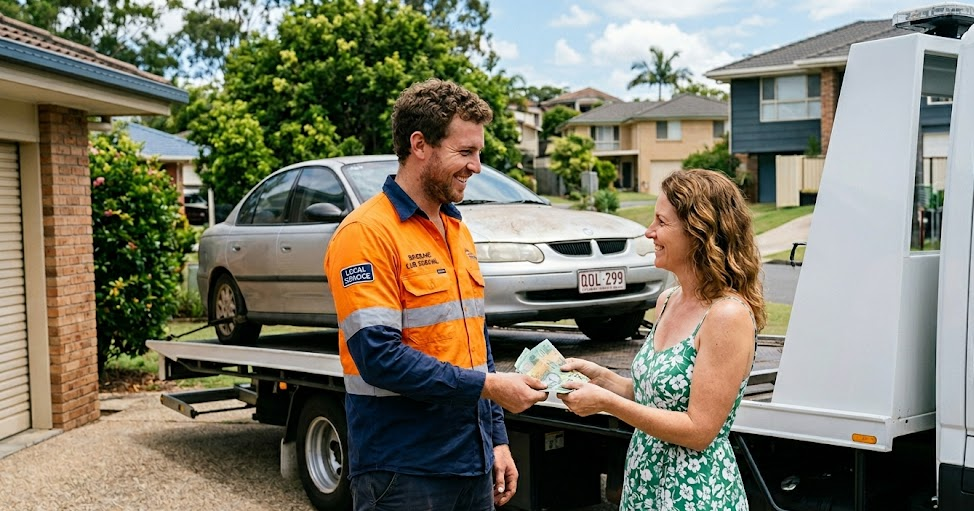
People can earn money by selling old cars. Buyers can find used parts at lower cost. This creates a cycle where both sellers and buyers gain value.
Role in Sustainable Living
Sustainability focuses on using resources wisely. Scrap yards support this idea. They reduce waste and promote reuse.
Every recycled car helps conserve natural materials. It also reduces the need for new production. This makes scrap yards an important part of modern life.
A Practical Example in the Industry
In many regions, car owners look for ways to manage old vehicles in a responsible way. Services such as “honda car wreckers adelaide” offered by the company “Ezy Car Wreckers” show how this process works in real situations. They collect damaged vehicles, remove usable parts, and send remaining materials for recycling. This approach connects directly with the wider role of scrap yards. It shows how local services support both environmental care and resource recovery.
Challenges Faced by Scrap Yards
Scrap yards face several challenges. One issue is handling hazardous materials. Items like batteries and airbags need special care.
Another challenge is changing car designs. Modern vehicles use more complex materials. This can make recycling harder.
Scrap yards must also follow strict rules. These rules ensure safety and protect the environment. Meeting these standards requires effort and planning.
Future of Car Recycling
The future of scrap yards looks promising. New technology is improving recycling methods. Machines can now sort materials with greater accuracy.
Electric vehicles are also entering the market. These cars have different parts, such as large batteries. Scrap yards are adapting to handle these changes.
As awareness grows, more people choose recycling. This will increase the role of scrap yards in the coming years.
For reliable car removal and parts recovery, visit https://ezycarwreckers.com.au/ford-wreckers-adelaide/
Conclusion
Scrap yards turn wrecked cars into useful resources through a detailed process. They remove fluids, recover parts, and recycle materials. This work helps reduce waste and conserve resources.
The process also supports the economy and protects the environment. Each step adds value to what many see as useless.
Wrecked cars are not just scrap. They are a source of materials that can be used again. Scrap yards make this possible through careful work and responsible practices.