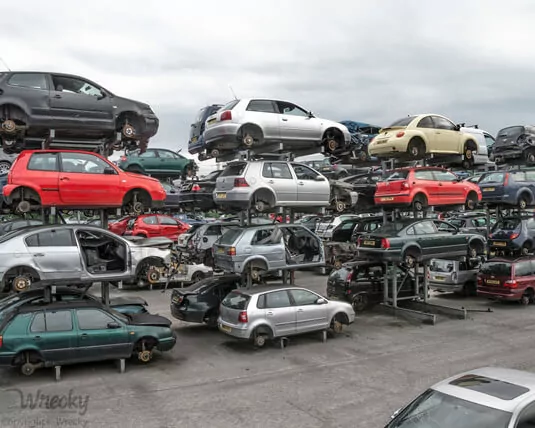
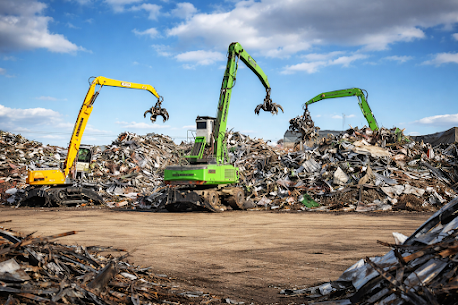
Modern automotive scrap facilities play a key role in how old vehicles are handled. Many people think that these places are just yards full of broken cars. That is not the full picture. A modern site follows a clear process. Each step is planned. Each part of the vehicle is handled with care. The aim is to recover useful materials and manage waste in a safe way.
This article explains what happens inside such a facility. It shows how vehicles move from arrival to final recycling.
Arrival of Vehicles
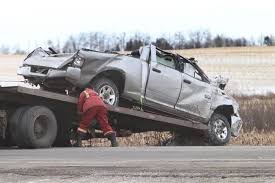
The process starts when a vehicle arrives at the site. These vehicles come from many sources. Some are damaged in accidents. Some are no longer safe to drive. Others have reached the end of their life.
Staff record key details when a car enters the yard. They check the make, model, and condition. They also confirm ownership and legal papers. This step is important. It makes sure that every vehicle is tracked.
After this, the vehicle is placed in a holding area. It waits there before the next stage begins.
Initial Inspection
Each car goes through an inspection. Workers look for parts that can still be used. These parts may include engines, gearboxes, doors, mirrors, and seats.
The condition of each part is noted. Some parts can be cleaned and sold again. Others may not be fit for reuse. This step helps reduce waste. It also helps others find spare parts at a lower cost.
Removal of Fluids
Vehicles contain many fluids. These include fuel, engine oil, brake fluid, and coolant. These fluids must be removed before further work.
Workers use special tools to drain each fluid. The fluids are stored in safe containers. They are then sent for proper treatment or reuse.
This step is very important. It helps protect soil and water. It also reduces fire risk inside the facility.
Dismantling of Parts
After fluid removal, workers begin to remove usable parts. This process is called dismantling.
Parts that are in good shape are taken out with care. Each part is checked again. It is then cleaned and stored. Some parts are sold to repair shops. Others are kept for future use.
This step helps extend the life of many vehicle parts. It also reduces the need to make new ones.
Handling of Hazardous Materials
Some parts of a car can be harmful. These include batteries, airbags, and certain filters. These items must be handled with care.
Workers follow strict rules when removing these parts. Batteries are stored in safe areas. Airbags are either deployed in a safe way or removed for disposal.
This step helps protect workers and the environment. It also meets safety laws.
Crushing of the Vehicle Body
Once all useful parts are removed, the remaining shell is ready for crushing. This shell is mostly metal.
The vehicle is placed in a large machine. This machine presses the car into a compact block. This makes it easier to transport.
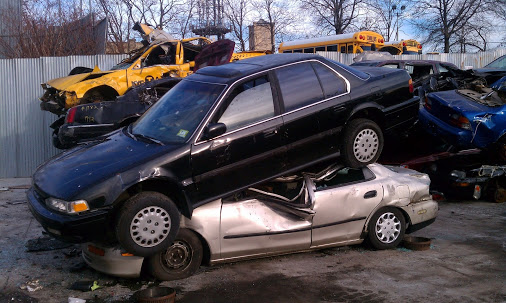
Crushing also helps save space in the yard. Many vehicles can be stored in a smaller area after this step.
Shredding Process
The crushed vehicle is then sent to a shredder. This machine breaks the metal into small pieces.
The shredding process is fast and powerful. It reduces the car body into fragments. These fragments are easier to sort and recycle.
This step prepares the material for the next stage.
Sorting of Materials
After shredding, the material goes through a sorting system. This system separates different types of materials.
Magnets are used to pull out steel. Other machines separate aluminium, copper, and plastic. Each material is placed into its own group.
This step is very precise. It helps ensure that each material can be reused in the right way.
Recycling of Metals
The separated metals are sent to recycling plants. Steel and aluminium are melted and shaped into new products.
These metals can be used to make new vehicles. They can also be used in construction and other industries.
Recycling metal saves energy. It also reduces the need to mine new raw materials.
Waste Management
Not all parts of a vehicle can be reused. Some materials must be disposed of.
Modern facilities follow strict rules for waste. They send non-recyclable items to approved sites. These sites manage waste in a safe way.
This step ensures that the process does not harm the environment.
Find out more here: https://www.bestcashforcarz.com.au/cash-for-unwanted-cars/
Role of Technology
Modern scrap facilities use advanced tools. These tools help improve safety and accuracy.
Machines handle heavy tasks. Digital systems track each vehicle and part. Sensors help detect harmful materials.
Technology also helps reduce human error. It makes the process more organised and controlled.
Environmental Impact
Automotive scrap facilities help reduce waste. They recover materials that would otherwise be lost.
Recycling reduces the need for new production. This lowers energy use. It also reduces pollution.
Proper handling of fluids and hazardous parts protects land and water. This makes a big difference in long term environmental health.
Economic Importance
These facilities also support the economy. They create jobs for many workers. They also supply parts and materials to other industries.
Reused car parts help people repair vehicles at lower cost. Recycled metals support manufacturing.
This creates a cycle where materials are used again instead of being wasted.
A Practical Connection to Car Owners
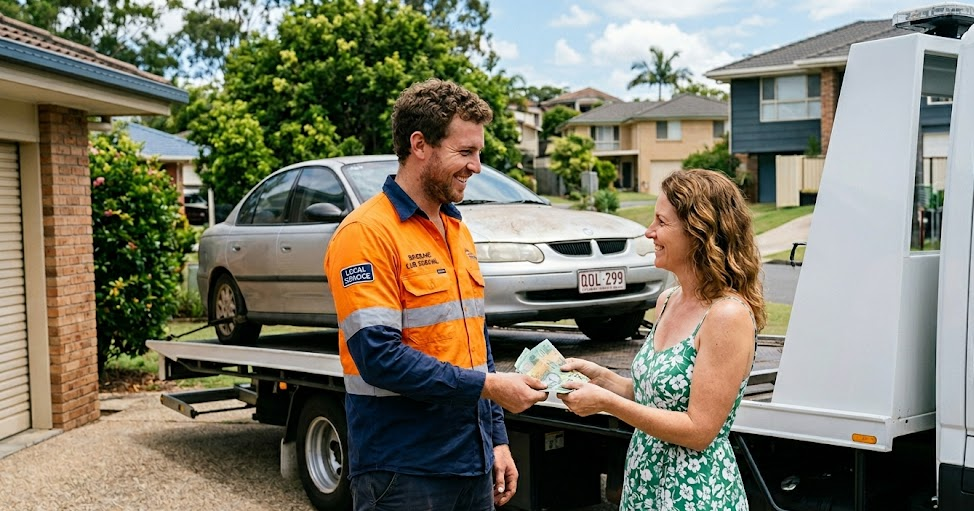
Many car owners may not think about what happens after they sell an old vehicle. The process inside a scrap facility shows that each car still has value, even at the end of its life. This is why services that deal with old vehicles play an important role. For example, if someone wants to sell car for cash, a company like Best Cash For Carz connects that vehicle to the recycling chain. The car then enters a system where its parts and materials are recovered in a planned way. This link between car owners and scrap facilities keeps the cycle moving.
Safety Measures Inside the Facility
Safety is a major focus in these places. Workers wear protective gear at all times. This includes gloves, helmets, and eye protection.
Machines are checked on a regular basis. Clear paths are marked to avoid accidents. Training is given to all staff.
These steps help reduce risk. They also ensure that work continues without harm.
Final Thoughts
A modern automotive scrap facility is a structured and organised place. Each step has a clear purpose. From arrival to recycling, the process is managed with care.
Vehicles do not simply sit and rust. They go through a system that recovers parts, handles waste, and supports reuse. This process helps both the environment and the economy.
Understanding what happens inside these facilities gives a new view of old cars. It shows that even at the end of their life, vehicles still have a role to play.