
Cars shape daily life across the world. They help people travel, work, and connect. Over time, every car reaches the end of its life. At that point, recycling becomes important. Car recycling is not only about removing scrap. It is about saving materials, reducing waste, and lowering harm to the environment.
The automotive world is now changing at a steady pace. Electric cars, new materials, and new rules are shifting how vehicles are built and used. These changes also affect how cars are recycled. The future of car recycling will look different from what people see today.
Why Car Recycling Matters
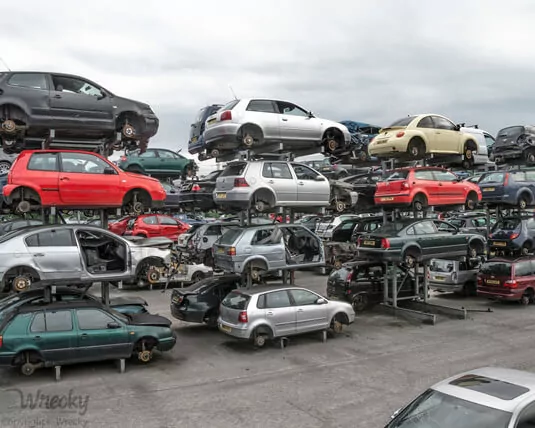
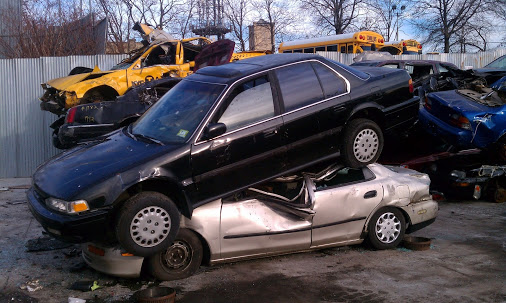
Car recycling plays a key role in reducing waste. A single vehicle contains metal, plastic, glass, rubber, and fluids. If these parts are not handled well, they can harm land and water.
Recycling helps recover steel and aluminium. These metals can be used again in new products. This reduces the need to mine raw materials. Mining takes a lot of energy and can damage natural areas.
Recycling also helps control pollution. Old cars may contain oil, fuel, and chemicals. If these leak, they can affect soil and water. Proper recycling removes these risks.
Changes in Vehicle Design
Modern vehicles are not the same as older ones. Car makers now use lighter materials. These include advanced plastics, composites, and mixed metals. These materials help reduce fuel use and emissions.
While these changes are good for driving, they create new challenges for recycling. Mixed materials are harder to separate. This means recycling centres need better tools and methods.
Electric vehicles also bring new parts such as batteries and electronic systems. These parts need careful handling. They cannot be treated like parts in petrol cars.
Rise of Electric Vehicles
Electric vehicles are becoming more common in many countries. They use batteries instead of fuel tanks. These batteries store large amounts of energy.
At the end of a car life, the battery still holds value. It can be reused or recycled. However, battery recycling is complex. It needs skilled workers and safe systems.
Lithium, cobalt, and nickel are used in many batteries. These materials are limited in supply. Recovering them from old batteries will become more important in the future.
Advanced Recycling Technologies
New technologies are shaping the future of car recycling. Machines can now sort materials with better accuracy. Sensors can detect types of metal and plastic. This improves the quality of recycled materials.
Robotics is also entering recycling yards. Robots can take apart cars piece by piece. This process is safer and more precise than manual work alone.
Digital systems are also helping. Data tracking allows recyclers to know what materials are in each vehicle. This makes sorting and recovery more organised.
Environmental Regulations
Governments are setting stricter rules on waste and recycling. These rules aim to reduce landfill use and protect the environment.
Car makers may need to design vehicles with recycling in mind. This means using materials that are easier to recover. It also means reducing harmful substances in car parts.
Recycling centres must follow safety and environmental standards. These include safe handling of fluids, batteries, and hazardous parts.
Circular Economy Approach
The idea of a circular economy is gaining attention. This approach focuses on reusing materials instead of discarding them.
In this system, car parts can be repaired or reused. Metals and plastics can be turned into new products. This reduces waste and saves resources.
Car recycling fits well within this approach. It helps keep materials in use for a longer time. This supports a more balanced use of natural resources.
Role of Local Recycling Services
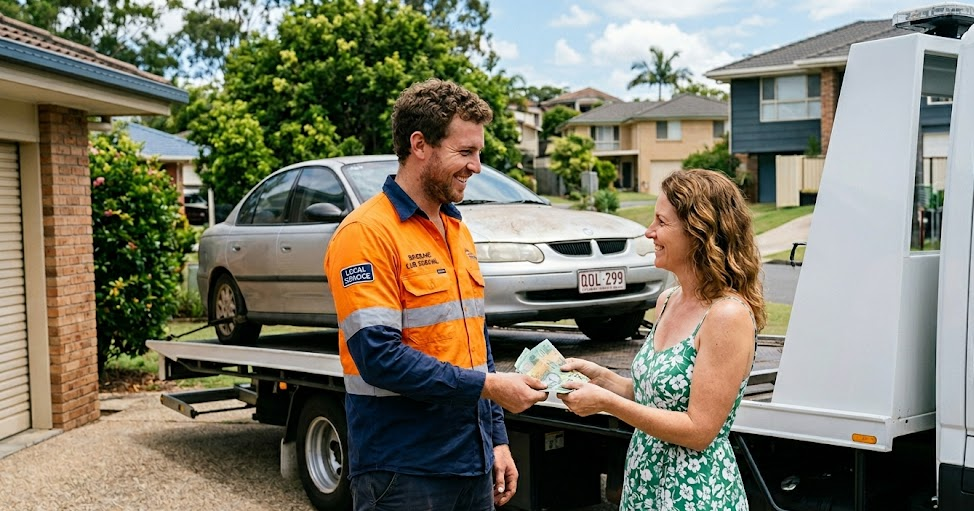
Local recycling services play a key part in this system. They collect old cars and process them for reuse. They also guide people on how to dispose of vehicles in a safe way.
For example, services such as car wreckers gold coast provided by the company ADRIAN’S Metal Recyclers show how local businesses can support responsible disposal. These services help remove unwanted vehicles while making sure materials are recovered and reused in line with environmental needs. This link between local action and wider goals is important for the future of car recycling.
Challenges Ahead
Despite progress, several challenges remain. One major issue is the rising number of complex vehicle parts. Electronics, sensors, and mixed materials make recycling harder.
Another challenge is cost. New technology and skilled labour require investment. Smaller recycling centres may find it hard to keep up.
Public awareness is also a factor. Some people still leave old cars unused instead of recycling them. Education can help improve this situation.
Opportunities for Growth
The future also brings many opportunities. Demand for recycled materials is increasing. Industries are looking for ways to reduce raw material use.
Battery recycling is one area with strong growth potential. As more electric vehicles reach the end of life, demand for battery recovery will rise.
Innovation will continue to improve recycling methods. Better tools and systems can increase efficiency and reduce waste.
Importance of Responsible Ownership
Car owners also have a role to play. Keeping a vehicle in good condition can extend its life. When the time comes, choosing proper recycling services ensures safe disposal.
Owners should avoid abandoning vehicles. This can cause environmental harm and waste valuable materials.
Making informed choices supports a cleaner environment and a stronger recycling system.
Visit https://adrians.com.au/car-collection-gold-coast/ for details about car collection services on the Gold Coast.
Future Outlook
The future of car recycling will depend on how well industries adapt to change. New vehicle designs, new technologies, and new rules will shape the process.
Collaboration between car makers, recyclers, and governments will be important. Each group has a role in building a system that reduces waste and protects resources.
Car recycling will not remain a basic process. It will become more advanced and more connected to global efforts to reduce environmental impact.
Conclusion
Car recycling is entering a new phase. The automotive world is changing, and recycling must keep pace. Electric vehicles, modern materials, and stricter rules are shaping the future.
With the right systems in place, car recycling can support resource conservation and reduce environmental harm. It will remain an important part of the automotive life cycle for years to come.