Modern life depends on metals such as steel, aluminium, copper, and small amounts of precious metals. These materials are used in transport, buildings, electronics, and many other products. Mining supplies these raw materials, but mining activity places strong pressure on land, water, and energy systems.
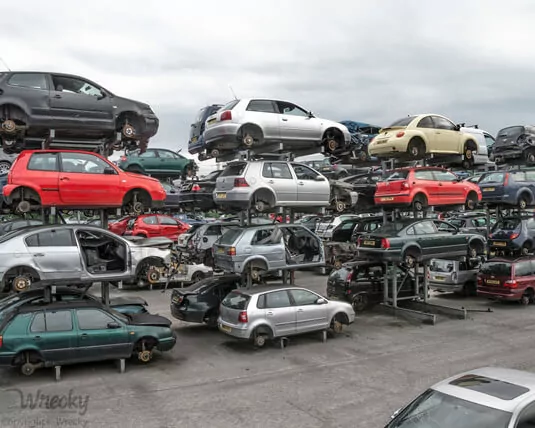
Old cars play an important role in reducing this pressure. When a vehicle reaches the end of its road life, it still contains large amounts of metal that can be recovered and used again. This process reduces the need to extract new raw materials from the earth.
Understanding Mining Pressure on Natural Systems
Mining pressure refers to the demand placed on natural resources to extract metals and minerals. To obtain raw metals, large areas of land are dug, blasted, and processed. This process changes landscapes and disturbs soil layers.
Mining also uses large volumes of water and energy. Rock must be crushed and processed to separate useful metals. This increases energy consumption and creates waste materials known as tailings.
As global demand for metal grows, mining activity increases. This leads to more land disturbance and higher energy use. Reducing the need for fresh extraction plays an important role in limiting this pressure.
What Old Cars Contain
A standard passenger car contains a large amount of recoverable material. The main component is steel, which forms the body and frame. Aluminium is used in engine parts and wheels. Copper is found in wiring systems. Smaller quantities of metals such as nickel, zinc, and lead are also present.
Some parts of older vehicles also contain precious metals in catalytic converters, including platinum, palladium, and rhodium. These materials are rare and require intensive mining methods.
When a vehicle is no longer suitable for use, these materials remain intact and can be recovered through recycling systems.
The Recycling Process of Old Vehicles
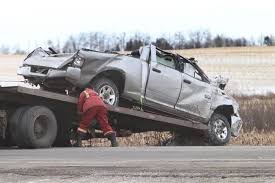
When old cars are processed, they go through several stages. First, usable parts such as engines, transmissions, and panels are removed for reuse. These parts may extend the life of other vehicles.
Next, fluids such as oil, coolant, and brake fluid are drained and handled safely. After that, the remaining structure is crushed and shredded into smaller pieces.
Magnets and separation systems are used to extract steel and iron. Other methods such as air separation and density sorting help recover aluminium, copper, and mixed metals. Precious metals are extracted through specialised processing techniques.
This system ensures that a large proportion of a vehicle can be returned into industrial use.
Visit for more details: https://nswautowrecker.com.au/sell-my-car-sydney/
How Old Cars Reduce Mining Pressure
Recycling metals from old cars reduces the need to extract new ore from the earth. Steel made from recycled material uses less energy compared to steel made from raw iron ore. This lowers the demand for mining iron deposits.
Aluminium recycling also uses far less energy than producing aluminium from bauxite ore. Copper recovery from wiring reduces the need to open new copper mines.
When metals are recovered and reused, fewer new mining projects are required. This reduces land disturbance, energy use, and waste production from mining sites.
Old cars therefore act as a secondary source of raw materials. Instead of relying only on geological extraction, industries can reuse materials already in circulation.
Environmental Impact of Metal Recovery
Recycling metals from vehicles reduces greenhouse gas emissions linked with mining and metal refining. Mining processes often require heavy machinery, transport systems, and industrial furnaces that consume large amounts of fuel.
Recovered metals also reduce the volume of waste sent to landfill. Car bodies and components that would otherwise remain unused are returned into production systems.
Another important factor is resource preservation. Many metal deposits are finite. Using recycled materials helps extend the life of existing reserves by reducing extraction rates.
Circular Use of Vehicle Materials
A circular system means materials are reused rather than discarded. Old vehicles form an important part of this system. Instead of treating a car as waste, it becomes a source of reusable metals and parts.
In this system, steel from one car may be used in construction materials or new vehicles. Copper wiring may be reused in electrical systems. Aluminium may be reshaped into new industrial components.
This cycle reduces dependence on newly mined resources and keeps materials in use for longer periods.
Role of Scrap Vehicle Processing Facilities
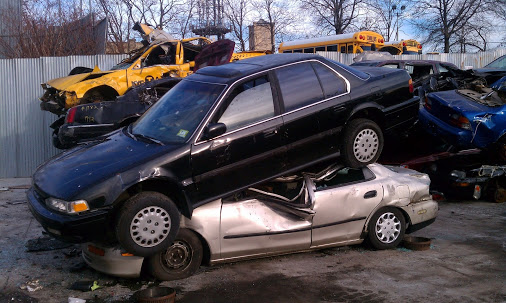
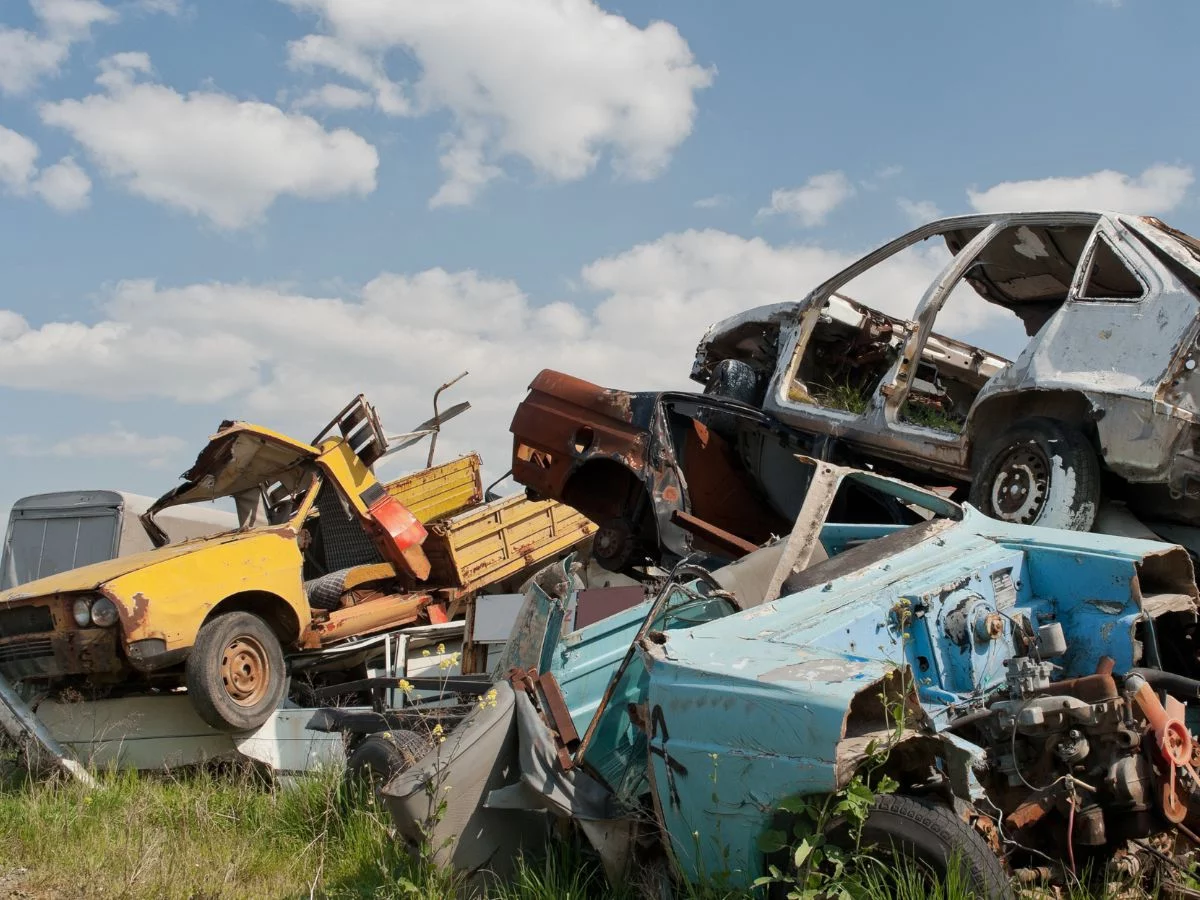
Facilities that process old vehicles play a key role in material recovery. These sites dismantle, sort, and process car components for reuse. They handle large volumes of end-of-life vehicles and separate materials in a controlled manner.
Without these facilities, most vehicle materials would remain unused or be lost to landfill systems. Their work supports the reuse of metals and reduces pressure on mining industries.
Vehicle Recycling and Cash Exchange Services in Australia
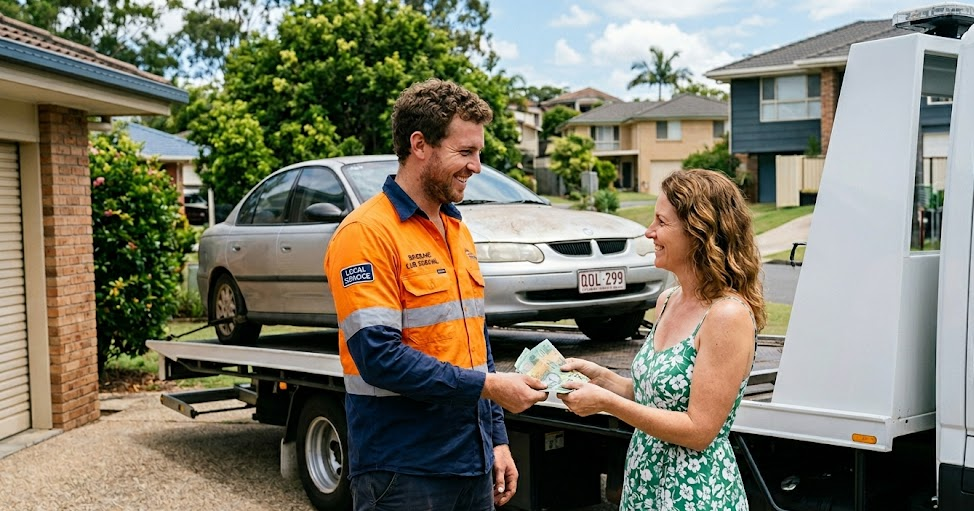
Old vehicles often lose road value but still hold material worth. In many Australian cities, services exist that collect and process these vehicles for recycling purposes. One such service is cash for scrap cars sydney provided by NSW Auto Wreckers. This service collects unwanted vehicles and directs them into material recovery systems. The process ensures that metal components are extracted and returned into industrial use instead of being wasted. This approach supports reduced demand for new mining activity and helps keep valuable materials in circulation.
How Steel Recovery Supports Resource Conservation
Steel is the most common material in cars. Recycling steel from vehicles requires less energy compared to producing steel from iron ore. The recovery process also reduces the need for coal-based smelting operations used in primary steel production.
Recovered steel can be melted and reshaped multiple times without losing strength. This makes it suitable for repeated use in construction, manufacturing, and transport industries.
By using recycled steel, industries reduce pressure on iron ore extraction sites and decrease the energy demand linked with raw material processing.
Copper and Electrical System Recycling
Copper is widely used in vehicle wiring systems due to its conductivity. When cars are dismantled, copper wiring is separated and processed for reuse.
Mining new copper involves digging large pits and processing large amounts of rock to extract small quantities of metal. Recycling copper from vehicles reduces the need for this process.
Reused copper can be used in electrical infrastructure, electronic devices, and industrial equipment.
Precious Metals from Catalytic Converters
Catalytic converters in cars contain small amounts of platinum, palladium, and rhodium. These metals help reduce emissions from vehicle exhaust systems.
Mining these metals requires deep extraction processes and high energy use. Recovering them from old vehicles reduces the need for additional mining operations.
These metals are carefully extracted and refined so they can be used again in new emission control systems.
Long-Term Resource Stability
As vehicle numbers increase globally, the volume of recyclable metal also increases. This creates a long-term supply of secondary raw materials that reduces dependence on mining.
Over time, recycling systems become a key part of resource stability. Instead of relying only on extraction, industries use a combination of mining and recycling to meet demand.
This balance supports more stable material supply systems and reduces strain on natural deposits.
Conclusion
Old cars play an important role in reducing pressure on mining activities. They contain valuable metals that can be recovered and reused in many industries. Through structured recycling processes, materials such as steel, aluminium, copper, and precious metals return into production cycles instead of being discarded.
This system reduces the need for new mining projects, lowers energy use, and supports more efficient use of existing resources. Vehicle recycling forms a practical link between transport systems and resource conservation, helping to manage material demand in a growing world.