A nasal cannula looks simple. Yet one small tube touches a patient’s nose, face, and hands all day. Storage and handling decide whether it stays clean or picks up germs. Each infection preventionist nursing home team holds the power to spot weak points early. A sharp eye, a clear checklist, and the right tools turn small fixes into big wins. Let’s walk through the steps.
Where Should You Start Your Gap Check?
Start with a simple walk-through. Go into the patient rooms, the med carts, and the supply closets. Look at how the staff stores the cannulas between uses. Good nasal cannula storage is one where the cannulas are stored in such a way that the tubing is clean, dry, and off the floor. Look for these indicators:
- Cannulas resting on bedside tables or bed rails
- Tubing draped over equipment or touching the floor
- Items sealed inside closed plastic bags
- Missing patient names or dates on storage containers
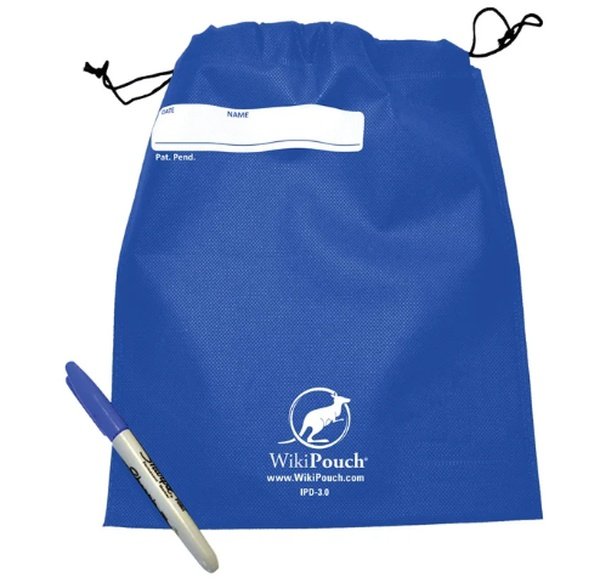
Plastic bags hold moisture, and damp surfaces are the ideal breeding ground for germs. A breathable pouch is the solution at the source. That’s why WikiPouch® has designed a moisture-wicking pouch for reusable respiratory items. Air is able to pass through the fabric so the cannula stays dry. A dry cannula is a safer cannula.
Next, map every location in your building where nasal cannula storage occurs. Give each location a score. The lower the score, the more priority it should be given.
What Handling Habits Deserve a Close Look?
Storage tells half the story. Handling tells the rest. Shadow staff through a full shift. An infection preventionist (IP) nursing home leader will learn more in ten minutes at the bedside than in an hour at the desk. Watch those moments:
- Hand hygiene before anyone touches the cannula
- Where staff place the cannula during mask changes or tank swaps
- How the team keeps clean and used items apart
- Whether replacement follows the facility schedule
After that, have a few quick questions. The short chats will tell you where the training needs to be improved. People like to get clear answers, so pass on what you’ve learned straight away.
How Does Survey Readiness Shape Your Audit?
Surveyors walk the same corridors as you do. They go through the storage, they check the labeling, they check the written policy. Strong state survey compliance starts with policy matching practice. Put the two side by side, and you’ll see any gaps. Those gaps are the ones you need to close today.
Then maintain dated audit logs. The logs will prove that your team is actually carrying out their scheduled equipment checks. Good records also provide the management with hard figures to work with. Good records make state survey compliance reviews a doddle.
Why Does WikiPouch® Earn Trust in Infection Prevention?
WikiPouch® has one objective, and that is to create safe, affordable, and sustainable products which reduce healthcare-associated infections (HAI) by replacing plastic with reusable patient care items. The pouch breathes, wicks, and can be washed for repeated use. That, in turn, reduces plastic waste, which is a benefit to both your bottom line and the environment.
Real facilities back this up. Robert Palardy (LVN/DSD) at a skilled nursing and rehab facility has a marked reduction in respiratory infections in his monthly reports since making the switch. Victoria Bravo (RN/DSD) at ACC Nursing Home in Sacramento has the same result. She too has seen a dramatic reduction in respiratory infections as a result of the pouch.
Ordering is easy as well. McKesson, Medline, and TwinMed all carry the WikiPouch®. The infection preventionist nursing home lead gets the proven results plus simple supply access in one package.
Your Quick Action Plan
Put the pieces together with these steps:
- Audit every storage spot this week.
- Observe handling on day, evening, and night shifts.
- Score each gap, then go ahead and fix the top three.
- Swap out the plastic bags for breathable pouches.
- Re-audit in 30 days and log the results.
Every infection preventionist nursing home team benefits from a repeat audit. Once the staff has seen the results for themselves, they will adopt strong nasal cannula storage habits.
Final Thought
Gaps in cannula care are easy to pick up if you know what to look for. Just walk the floor, watch the hands, and check the paperwork. The little things add up quickly. Better storage reduces the risk of infection, protects the patient, and is a simple way of building confidence in your state survey compliance for the whole team. Do the audit now and let the results speak for themselves.
Ready to Upgrade Your Storage?
Switch to WikiPouch®. Our breathable, moisture-wicking pouches protect your reusable cannulas and are a great way to support your HAI objectives. Request free samples today. Give your patients, your staff, and your surveyors tangible proof of a cleaner, smarter, and more sustainable standard of care.